Chinese Spy Influence in U.S. Politics: The Case of Eric Swalwell
Beijing’s Subtle Influence in U.S. Politics
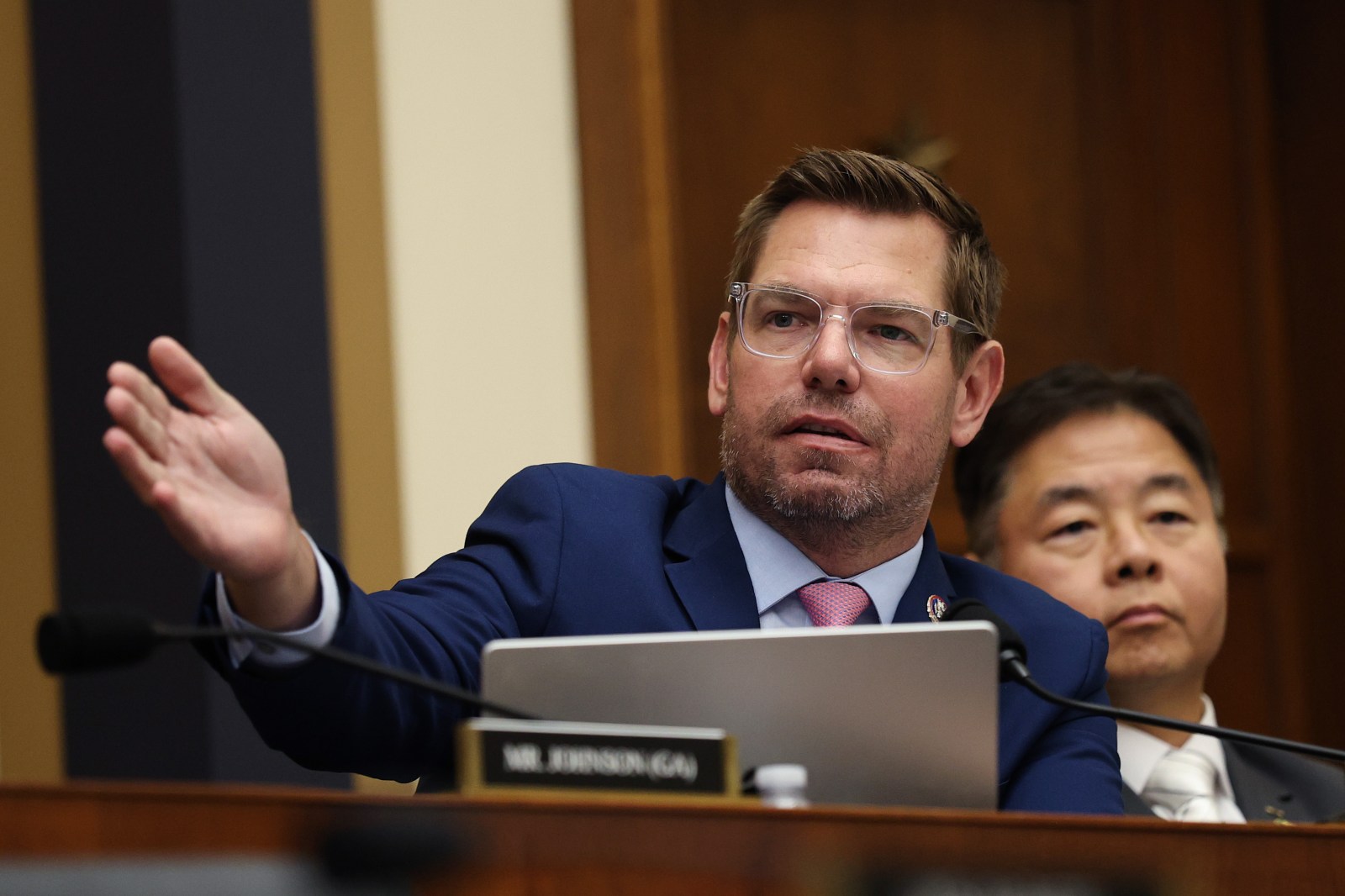
Recently declassified FBI records reveal how close a suspected Chinese spy came to former California Representative Eric Swalwell. This sheds light on China’s ongoing influence campaign across the United States. Swalwell, in a 2015 FBI interview, admitted to having ‘physical relations’ with Christine Fang, known as Fang Fang, during her unpaid volunteer work on his campaign. This information, released by the White House Government Transparency Task Force, highlights China’s intelligence activities.
U.S. intelligence officials describe China’s spy tactics as both sophisticated and diverse, utilizing methods from balloons to cyber tools. Fang’s case illustrates that sex, money, and power remain central to espionage strategy. Despite no evidence of classified information being obtained from Swalwell, there is a concerning pattern of influence attempts at local political levels.
Swalwell’s Interaction with Fang Fang
Fang arrived as a student in 2011 and engaged in local politics through Asian American civic groups, aiding rising politicians like Swalwell. FBI records disclose she was recruited under the codename ‘Rusty Thumbs,’ showing suspicion of links to China’s State Security Ministry. U.S. authorities regarded her as a potential double agent until she allegedly violated U.S. election law by arranging illegal donations.
Swalwell was cleared of suspicion by the FBI and later by the House Ethics Committee. He ceased contact with Fang after becoming aware of her motives. In April, Swalwell ended his campaign for California governor and resigned from Congress amidst sexual misconduct accusations, which he denies.
China’s Strategy: Targeting Rising Political Figures
At 30, Swalwell was an ideal target for China’s subnational influence campaign. This plot aims to cultivate allies in high U.S. political positions. The Chinese intelligence system has historically aimed to assess and target potential benefactors, transcending party lines. The approach emphasizes influence from the community level upward.
While many targets never win elections, even minor returns justify the investment. This represents a single facet of China’s espionage activities. Experts note that Western systems of government are vulnerable to such bottom-up influences.
Challenges in Ascribing Influence
America’s diverse political culture makes it difficult to link actions of Chinese-sympathetic individuals to state influence directly. Investigations have found significant donations connected to Chinese interests without proving illegality. In New York, Governor Kathy Hochul’s former chief of staff faced charges of being an unregistered agent for China’s benefit.
Similarly, British security services highlighted cases where lawyers and businessmen linked to China sought to influence politics. These cases underscore the complexity of China’s methods.
Understanding the Broader Implications
U.S. agencies warn against overgeneralization concerning Chinese Americans, who might fall victim to Beijing’s influence. China exploits this ambiguity to disrupt democratic systems and promote racial discord.
Despite warnings from Swalwell’s attorneys to withhold Fang Fang’s records, citing potential partisan misuse, the larger caution remains prevalent. China’s strategy is deliberate and seeks to exploit the American political framework over time.