Tupac Shakur Murder Trial: Examining the Role of Duane Davis’ Memoir
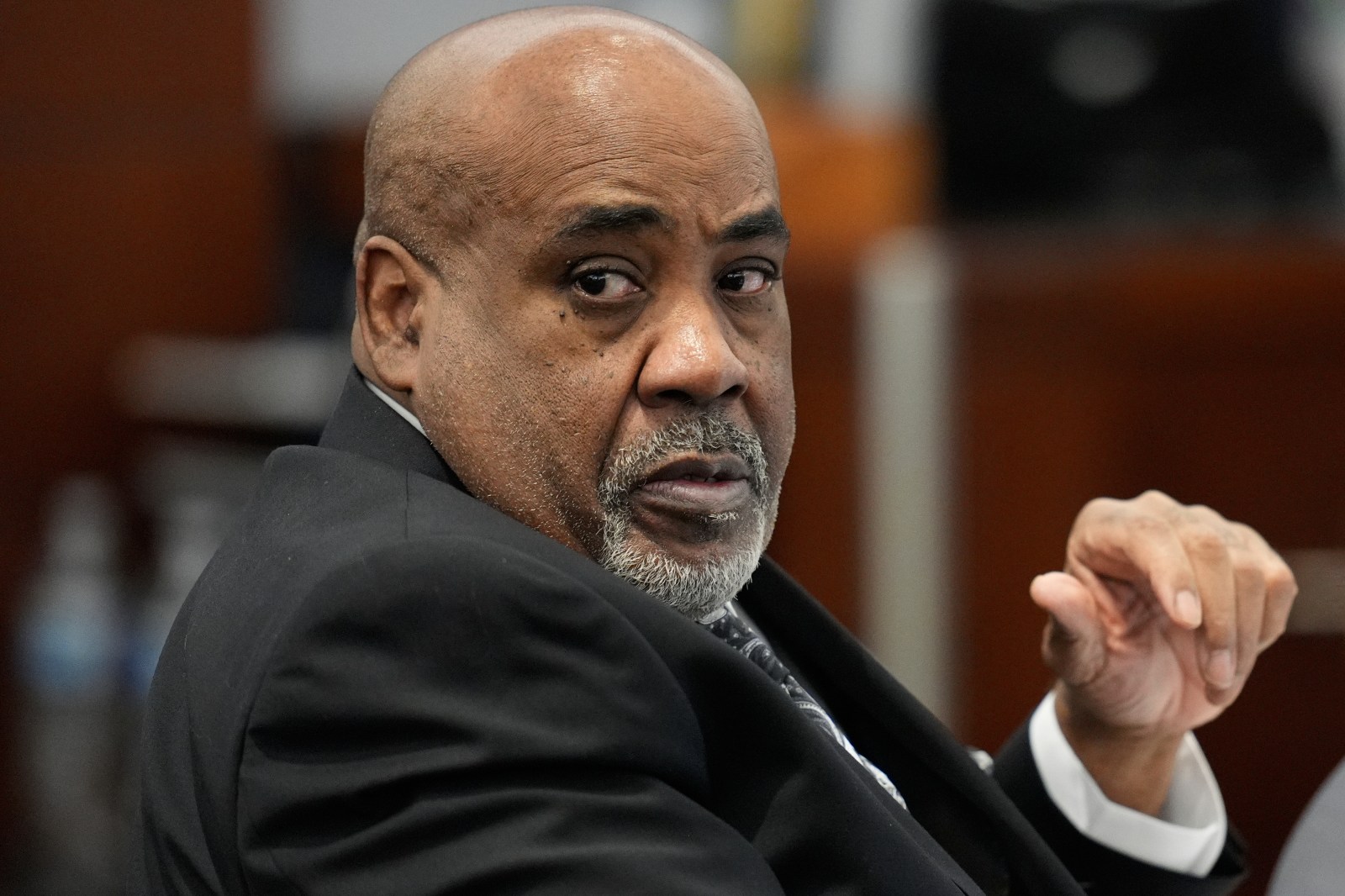
Nearing three decades after the murder of Tupac Shakur on the Las Vegas Strip, the trial of Duane “Keffe D” Davis is shedding light on a well-known piece of evidence: Davis’ memoir, Compton Street Legend.
Prosecution’s Perspective on the Memoir
During opening statements, prosecutors depicted the memoir as a part of Davis’ ongoing admissions regarding his involvement in the events leading to Shakur’s death. They argue that Davis consistently narrated key aspects of the case in various settings, including FBI interviews, documentaries, and his memoir.
Key admissions noted by the prosecution include:
- His anger over the assault on his nephew, Orlando Anderson.
- Acquiring a firearm for use against Tupac and Suge Knight.
- Being present in the white Cadillac linked to the shooting.
- South Side Compton Crips’ retaliation plans after the MGM incident.
- The encounter with Shakur on the Las Vegas Strip.
Prosecutors maintain that Davis’ memoir aligns with his previous private statements that traced back to the late 1990s through interviews and public appearances.
Defense Challenges the Memoir’s Validity
Defense attorney Michael Sanft criticized the credibility of Davis’ memoir, citing it as an unreliable and self-promotional narrative written long after the crime. Sanft emphasized the lack of physical evidence like fingerprints or DNA linking Davis to the murder.
Sanft argued that the investigation relied on the memoir without validating its claims. He contended that detectives used it as fact in proceedings without verification. The defense further claimed that Davis might have exaggerated his role as other alleged participants had already died, leaving him as the primary storyteller.
Corroboration Concerns
A central argument by the defense is the absence of independent corroboration of Davis’ claims. Sanft highlighted a 2008 federal interview where Davis discussed the case, noting that authorities did not confirm these statements with further evidence or testimonies. The defense questioned why no charges were brought earlier if Davis had confessed.
For prosecutors, the significance lies in Davis’ repeated descriptions of the chain of events over various mediums, suggesting consistency and credibility.
Trial Developments and Public Access
Davis’ trial is taking place in Las Vegas, featuring testimonies from investigators, Death Row Records associates, gang experts, and others. Public access to the proceedings is made possible through streaming by multiple media outlets, keeping the public informed in real time.
Motives and Context
On the day of the shooting, Shakur was involved in a physical altercation with Orlando Anderson. Prosecutors argue this event motivated Davis and others to seek revenge. The defense disputes this narrative, pointing out the prosecution’s reliance on old, unverified statements rather than concrete evidence.
Historical Feuds in Hip-Hop
The trial delves into the infamous rivalry between Tupac Shakur and The Notorious B.I.G. This conflict symbolized the East Coast-West Coast feud of the 1990s, with deep-rooted tensions between associated record labels and individuals.
Prosecutors referenced links between South Side Compton Crips and figures tied to Bad Boy Records, offering crucial context for Shakur’s murder.
Jury Deliberations
The jury will assess whether Compton Street Legend serves as a confession aligned with years of prior statements or if it stands as a sensationalized narrative.
The final decision may dictate if this memoir remains a substantial piece of evidence or if it simply adds another layer to the enduring mystery surrounding Tupac’s murder.