Lindsay Clancy’s Trial: Mental Health and Tragedy
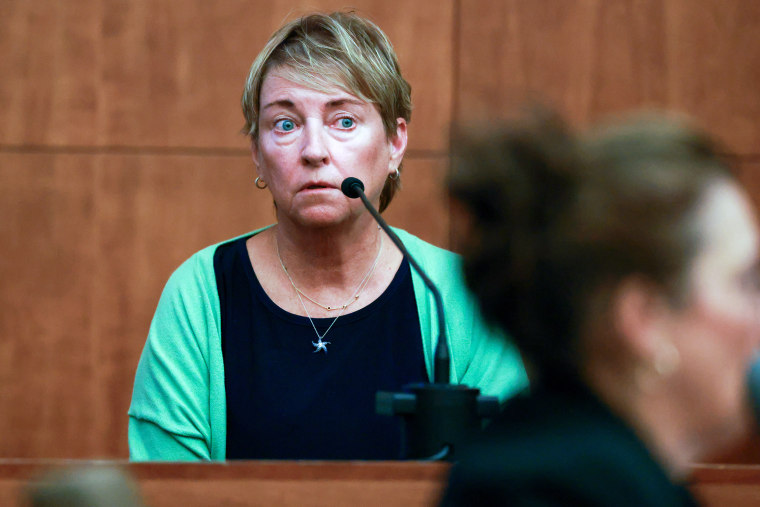
BOSTON — Lindsay Clancy sought help in the months before a tragic incident in which she killed her three children and attempted suicide. Her former mother-in-law, Susan Clancy, testified for the defense in the fourth week of the murder trial, emphasizing Lindsay’s struggles and the family’s concern. Patrick Clancy, Lindsay’s ex-husband, found their children strangled in the basement in January 2023. Lindsay attempted suicide that night and became paralyzed. The couple has since divorced.
The trial does not question the events of January 24, 2023, when Lindsay killed her children; instead, it focuses on her mental state. Her attorney argues that she was suffering from postpartum psychosis, a rare condition linked to the stress, lack of sleep, and hormonal changes following childbirth. This condition, they argue, should exempt her from criminal responsibility.
Family Testimonies Highlight Lindsay’s Struggles
Susan Clancy’s testimony aligned with emotional accounts from Lindsay Clancy’s mother and sister. They described seeing Lindsay become increasingly anxious, paranoid, and suicidal starting in the fall of 2022. Both women portrayed Lindsay as a devoted mother despite her struggles.
Susan, who worked as a labor and delivery nurse, explained they were close and showed the jury texts where Lindsay expressed fear about potentially becoming reliant on benzodiazepines for sleep. On November 30, 2022, Lindsay texted her former mother-in-law expressing her fear about taking medication.
On the previous day, Lindsay’s mother, Paula Musgrove, testified, highlighting Lindsay’s fear of sleeping alone and growing paranoia about medications. By December, Lindsay confided to family members about thoughts of harming her children, as noted by her sister Allison Ozga. Ozga shared that Lindsay had experienced daily suicidal thoughts throughout December.
Psychological Insight and Legal Arguments
Prosecutors contend Lindsay planned the killings, orchestrating her husband’s absence by sending him on errands. They noted her normal daily activities like taking her children to the doctor and playing in the snow on the day of the incident.
Lindsay’s attorney, Kevin Reddington, stated she was also suffering from bipolar disorder, exacerbated by antidepressants prescribed after her third childbirth.
Dr. Paul Zeisel, a clinical and forensic psychologist who evaluated Lindsay in hospital, spoke about her impaired memory and physical condition. He recounted her expressions of love for Patrick and described hearing voices instructing her to kill her children and herself.
Zeisel had met Lindsay numerous times, and psychological tests showed no evidence of fabrication of symptoms. He noted her previous descriptions of “horrible thoughts” and her fear that others could “hear” her thoughts. Zeisel explained that psychosis can fluctuate, leaving individuals capable of routine activities.
Implications of a Murder Conviction
Lindsay Clancy’s trial is closely followed by the public. Jurors have visited the family home and heard emotional accounts from Patrick Clancy. He relived the horror of finding his children through a seven-minute 911 call played in court, capturing his reaction upon discovering the children’s condition.
If convicted of murder, Lindsay faces life imprisonment without parole. If deemed not guilty due to her mental state, she would be committed to a state mental health facility.
If you or someone you know is struggling or in emotional distress, call or text 988, or chat at 988lifeline.org 24/7. For additional resources, visit SpeakingOfSuicide.com/resources.