Democrats and the Challenge of Mental Health Care for the Homeless
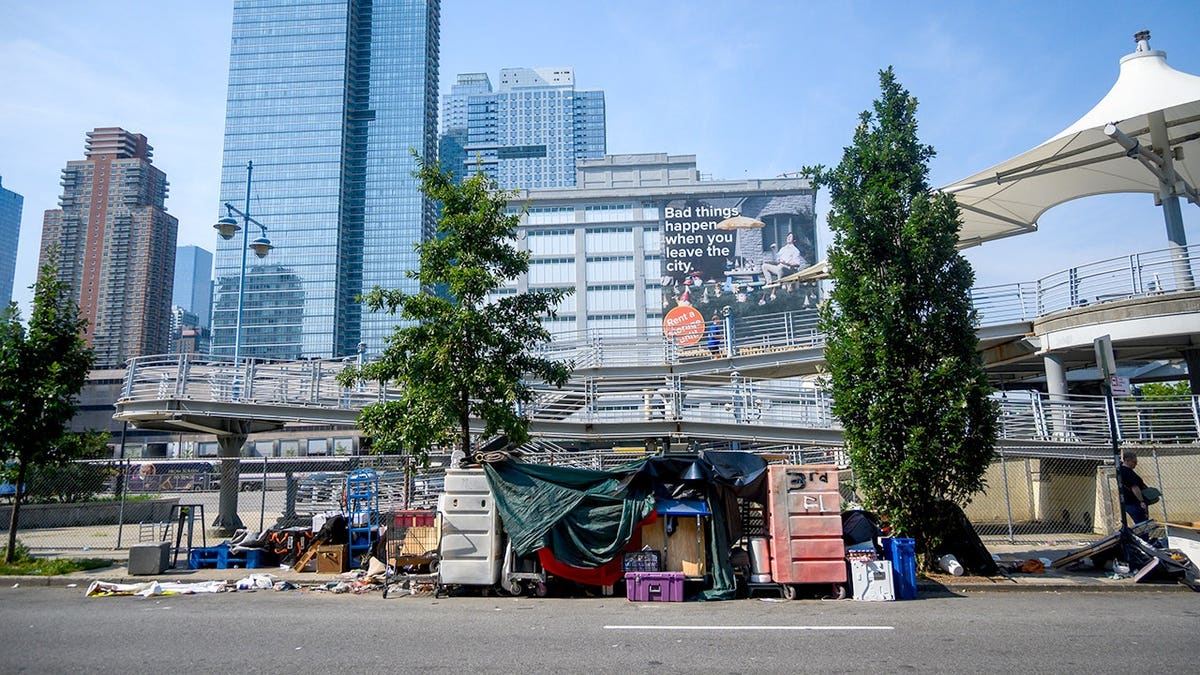
The Trump administration’s efforts to support 146,000 homeless individuals with serious mental illnesses face opposition from Democrats. In July, Democrats in both the House and Senate initiated an inquiry. They accused the administration of attempting to revert to a time when disabled individuals lacked basic civil rights. However, the system they defend contributes to the high number of mentally ill individuals living in poor conditions on U.S. streets.
Current Challenges in Mental Health Care
Historically, states were constrained in assisting the mentally ill homeless. Government lawyers broadly interpreted the Supreme Court’s 1999 Olmstead decision, pushing states towards ‘community-based care.’
For the seriously mentally ill, this approach often meant living independently with optional mental health and substance abuse treatment. In June, the Department of Justice released a legal opinion suggesting a restructure of federal oversight concerning state mental healthcare.
This new framework enables states to offer small, affordable supportive housing such as community-based group homes. These homes would provide court-ordered treatment for those disabled by mental illness or substance abuse.
Intermediate Housing Options
Creating and maintaining intermediate housing options like this has been difficult due to unrealistic regulations. These usually prioritize resident autonomy over safety and clinical needs, hindering states from establishing a middle ground between hospitalization and community-based care. The administration’s approach offers states a chance to address this essential need for the first time in three decades.
This plan does not involve reverting to large state psychiatric hospitals, which are costly. Large state hospitals offer limited federal reimbursement and cost about $1,400 per patient, per day.
The Cost of the Current System
Activist groups warn that this shift could lead to ‘warehousing’ individuals again, reminiscent of midcentury asylums. They overlook the dangerous and squalid outdoor encampments where homeless individuals with mental illnesses currently reside.
Mental illness and addiction among the homeless population are significant issues. Tens of thousands of those affected, with severe disorders, pose a danger to themselves and the public while living on the streets. They experience high victimization rates, crime, disease, and premature death. This group also often resists outreach efforts due to the impact of severe mental illness on reasoning abilities.
Historical Context
Since 1992, federal regulations have heavily influenced state behavioral health systems. The Olmstead case forced states to focus disproportionately on voluntary mental healthcare, sometimes neglecting those who need structured daily support.
The new administration approach does not favor large psychiatric hospitals. Previously, states had to choose between following federal law, which sometimes meant neglecting the severely ill, or facing litigation. Most states complied with federal requirements, reducing hospital care despite its necessity for some patients.
The DOJ memo reduces the risk of litigation, previously prompting states to adopt ‘Olmstead Plans’ focusing on reducing psychiatric hospital populations. This approach persisted despite potential risks to patient well-being and public safety.
The Outcome of Current Policies
The reduction in psychiatric hospital beds since 1990 is stark. By 2016, fewer than 38,000 beds existed nationwide—a substantial decrease from the 1950s, despite a significant population increase in the U.S.
State-level watchdogs press hospitals to release patients, often prematurely, due to threats of litigation. This leads many patients to homelessness or the criminal justice system.
Even during the Olmstead ruling, Justices Kennedy and Breyer anticipated this outcome, suggesting concerns over inappropriate settings like homeless shelters for those moved from hospitals.
Federally ‘liberated’ individuals now face harsh conditions rivaling the poorest global locations. While historical institutional abuses are real and of concern, present evidence suggests the current system fails to adequately address the needs of many mentally ill individuals.
The Trump administration’s decision to reevaluate federal regulations aligns with this evidence. The focus is on addressing worsening illnesses left unaddressed by existing policies.