Geopolitical Shifts in the Middle East: U.S., Israel, and Turkey Dynamics
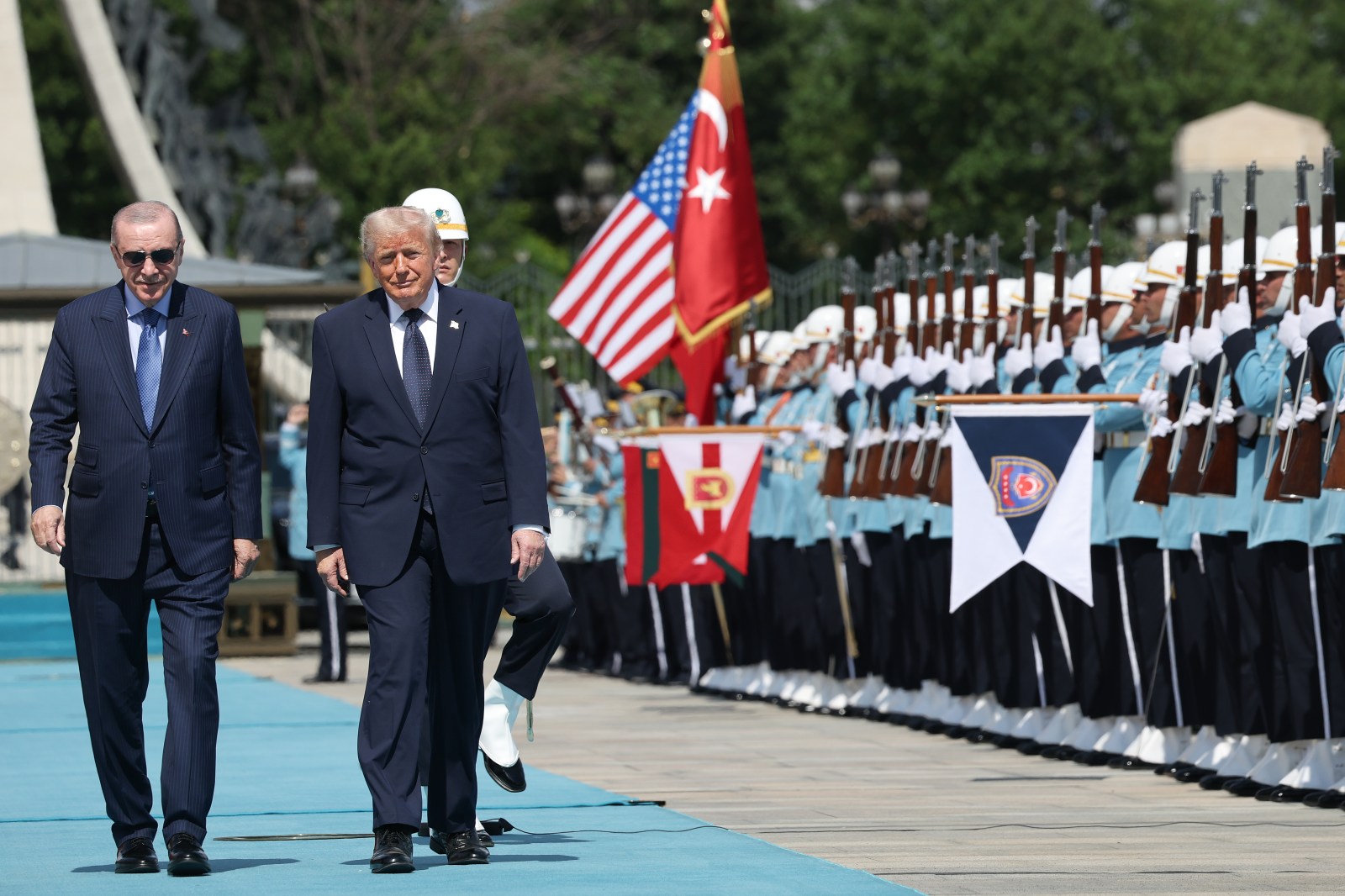
There are indications of increased tension between U.S. President Donald Trump and Israeli Prime Minister Benjamin Netanyahu, especially following an Israeli airstrike on a Syrian military site. The impact of this action might lead to broader geopolitical shifts in the region.
Background of the Airstrike
The strike targeted the Abu al-Duhur Air Base in Idlib province, which had recently hosted a Turkish military delegation. Turkey was interested in rehabilitating the facility as it re-establishes ties with the current Syrian government under President Ahmad al-Sharaa.
The strike received condemnation from the Turkish Foreign Ministry, further increasing tensions between Turkey and Israel. Netanyahu’s office defended the attack by alleging that Syria allowed Turkish troops to deploy near Aleppo. Turkey dismissed these as unfounded claims intended to justify the attack on Syria’s sovereignty.
U.S. Position
The United States, through Special Envoy Tom Barrack, criticized the Israeli operation, labeling it an unnecessary escalation. This isn’t the first time the U.S. administration has shown support for Turkish President Recep Tayyip Erdogan over Netanyahu. The lack of endorsement for Netanyahu ahead of critical elections might have significant repercussions due to domestic pressures on both leaders.
Brian Katulis, a senior fellow at the Middle East Institute, highlighted the weak political positions of both Trump and Netanyahu. Trump struggles with low approval ratings, while Netanyahu’s reputation has suffered following an attack by Hamas. Their political strategies differ; Netanyahu continues aggressive military campaigns to secure Israeli support, while Trump seeks de-escalation due to a weary American public and the economic impacts of his foreign policy.
Trump’s Middle East Strategy
Despite enjoying good relations with both Erdogan and Netanyahu, Trump’s alignment seems more in favor of Erdogan. He credited Erdogan with assisting in removing Bashar al-Assad and supported the administration of al-Sharaa. The Trump administration has often opposed Netanyahu’s actions, like Israeli strikes supporting Druze militias in Syria, urging Israel not to undermine new Syrian leadership efforts.
Trump’s approach to the Middle East encourages self-reliance and autonomy among regional players. This strategy has motivated countries like Israel and Turkey to test their influence, potentially leading to increased confrontations.
Emergence of New Coalitions
Efforts to create new defense alliances have accelerated, as seen in the recent Mecca Pact among Turkey, Saudi Arabia, and Pakistan. This agreement, involving Sunni powers, counters Iran’s influence in the Middle East. It also challenges the strategic alliances that Israel has built with countries like Greece, India, and Cyprus.
Ali Burak Daricili, a former Turkish intelligence officer, explained that the Mecca Pact aims to balance Israel’s regional actions and restrict Iran’s ability to expand its influence. The ongoing Israeli-Turkish rivalry complicates this dynamic, especially in regions like Syria, Sudan, and Somalia.
Potential U.S. Responses
While tensions in the Middle East continue, Trump’s strategy aims to establish a stable regional order before shifting focus to Asia-Pacific concerns. However, the Middle East crisis complicates U.S. efforts to pivot to East Asia. The prospect of an Israel-Turkey clash adds uncertainty, leading some analysts, like Daricili, to suggest the U.S. will strive to prevent such an outcome.
On the Israeli side, Netanyahu’s approach, described as more aggressive than past leaders like Ariel Sharon, seems intent on maintaining military pressure in the region. Yet, former Israeli Consul General Ofir Akunis expressed concern over Turkey’s growing influence and contentious actions, which could eventually lead to significant regional changes.