The Perseverance of Grief and Justice: Pan Am Flight 103 Families’ Long Wait
The tragic explosion of Pan Am Flight 103 over Lockerbie, Scotland in 1988 left indelible marks on countless lives. Among those affected, artist Suse Lowenstein memorializes this devastating event in her Montauk, New York backyard, where 76 statues depict the raw, enduring grief of women who lost loved ones. Each life-size representation signifies a mother, wife, or sister frozen in a moment of profound sorrow.
Lowenstein’s son Alex was aboard the ill-fated flight, one of the deadliest terrorist attacks targeting U.S. citizens. Lowenstein, now 82, stands among these statues, a testament to emotions that never fade, saying, “The grief, everything, stays the same. This is always here.” The attack claimed 270 lives, including 11 people on the ground in Lockerbie.
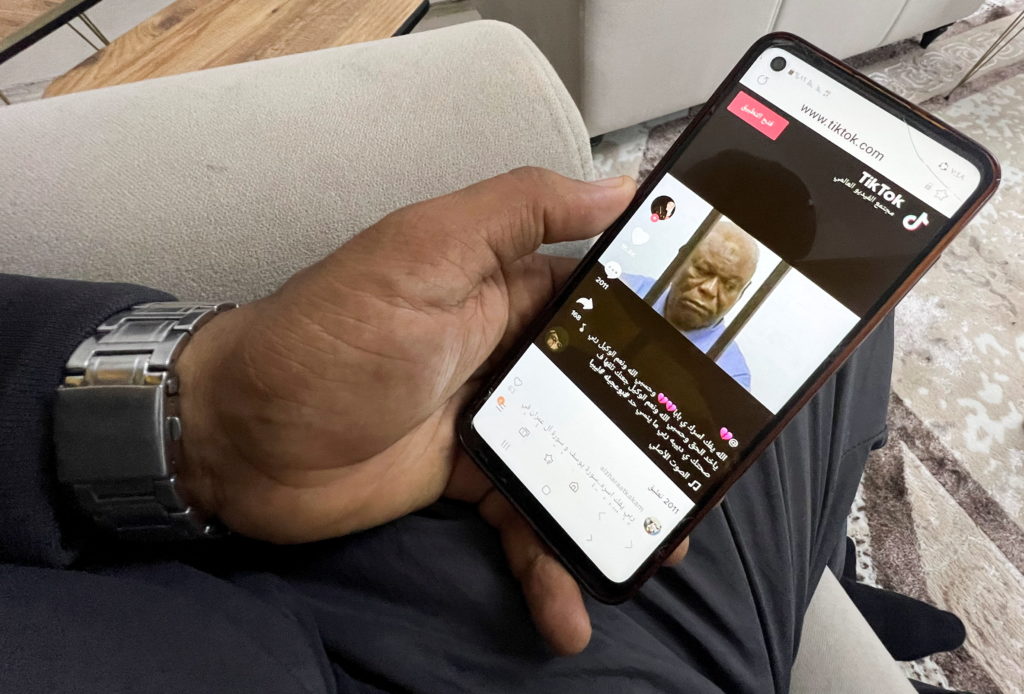
Many family members of the victims have yearned for justice in a U.S. courtroom. Their hopes were postponed once more as the trial of Abu Agila Mohammad Mas’ud Kheir Al-Marimi was delayed. This Libyan intelligence officer, accused of making the bomb, had been imprisoned in Libya, and is the first linked to this attack to face prosecution in the U.S.
“From the very beginning, we had to fight adversity,” remarked Aphrodite Tsairis, whose daughter Alexia was a victim.
The delay in proceedings, initially set to commence in Washington, D.C., was due to the discovery of new evidence, though its details remain undisclosed.
U.S. authorities experienced a breakthrough in 2017 with a 2012 interview where Al-Marimi allegedly admitted to crafting the bomb under Libyan intelligence orders. His confession is pivotal, implicating the now-deceased Libyan leader Moammar Gadhafi, who allegedly thanked the conspirators.
Bert Ammerman, who lost his brother in the bombing, emphasizes that the search for justice should extend beyond the courtroom. He suggests that other nations involved should also be held accountable, asserting, “This was an attack on the U.S. This was an act of war.” His advocacy group, Victims of Pan Am Flight 103, strives for this broader acknowledgment.
Stephanie Bernstein, who lost her husband Michael, notes the emergence of new evidence underscores the complexity of understanding the attack’s full scope. As vice president of the victims’ advocacy group, she holds onto hope that the trial will further clarify these tragic events.
The emotional turmoil of losing a loved one remains vivid for those left behind. Lucas Lowenstein reflects on how losing his brother Alex altered his life’s trajectory. He recalls his parents’ prolonged grief, remarking, “My parents more or less died that day.”
In Montauk, Suse Lowenstein finds solace amidst her work, “Dark Elegy,” a series of sculptures that include self-representations of her anguish. Within her art studio, her son’s recovered red jacket and images of his joyful past surround her.
“I hope they convict him and put him into the worst prison that the Americans have,” says Lowenstein, as she acknowledges her desire for justice despite ongoing delays.
The pursuit of justice for the Pan Am Flight 103 victims involves persistent patience and unwavering dedication from those who continue to seek answers nearly four decades later.