Federal Judge Overturns Texas Law on Drag Performances, Highlighting National Debate
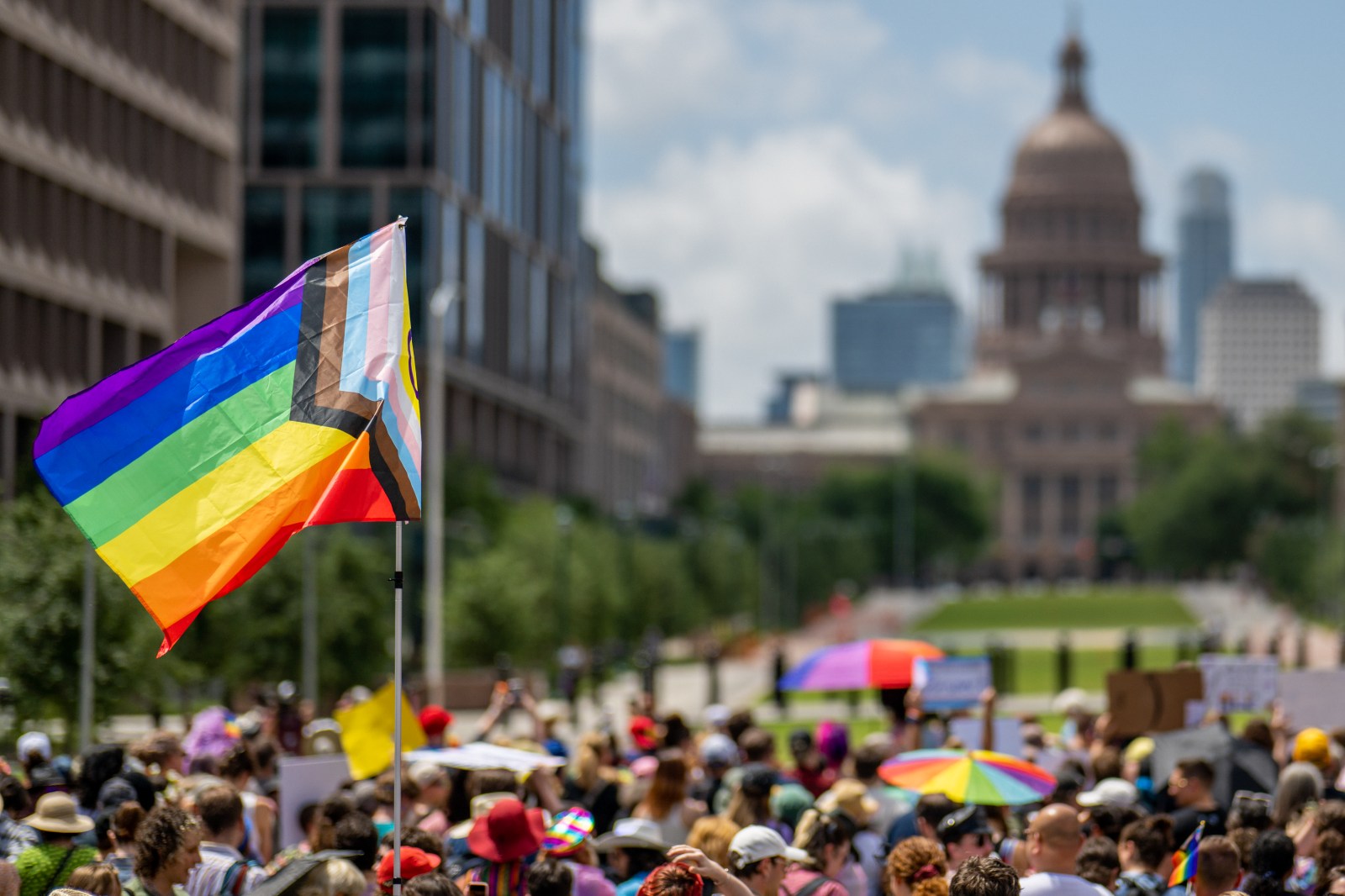
A federal judge has overturned a Texas law aimed at restricting certain drag performances for the second time, signifying the ongoing legal struggles of Republican-led states trying to regulate drag shows and LGBTQ expression. U.S. District Judge David Hittner ruled that Texas Senate Bill 12 is unconstitutional, reinforcing a decision he initially made in 2023. This law sought to limit what it termed “sexually oriented performances,” and was promoted as a measure targeting drag shows. Judge Hittner remarked, “Finally, for those who find such activities as described in this case offensive, the solution is relatively simple… just don’t go.”
Texas Attorney General Ken Paxton intends to appeal the ruling. Newsweek reached out to his office for feedback on Wednesday morning. This decision comes amid a prolonged national conflict over drag performances, transgender rights, and LGBTQ visibility. Several Republican-led states have enacted laws aimed at restricting drag shows, while Democratic-led states and civil rights organizations have defended them as constitutionally protected expression. Logan Casey, director of political research at the Movement Advancement Project (MAP), stated, “Efforts to restrict drag are part of a much larger, coordinated campaign over recent years attacking LGBTQ people across virtually every aspect of life.” He explained that similar legal outcomes have occurred in Montana, Florida, and Tennessee, where courts found these laws to be unconstitutional restraints on free speech.
States Enforcing Drag Restrictions
Texas is not alone in this matter. The Movement Advancement Project identifies six states with laws specifically restricting drag performances or potentially using broader regulations on adult performances to target them. Tennessee and Montana have laws directly targeting drag shows, whereas Arkansas, Florida, North Dakota, and Texas passed laws on adult-oriented performances, which could affect drag events. Some laws continue to face legal challenges. Proponents of these measures argue they aim to prevent children’s exposure to explicit material in public. Critics claim these laws target LGBTQ communities and suppress First Amendment-protected artistic expression. The Texas decision echoed other courts’ concerns that broad laws risk encompassing a wide range of protected speech and performances.
According to Casey, “Legislators appear to have recognized this fundamental flaw, at least for now.” Unlike other anti-LGBTQ policies instituted in recent years, drag restriction laws have not proliferated nationwide; the initial laws, including those in Texas, Montana, Florida, and Tennessee, were enacted in 2023, with no new enactments since then. All the states mentioned were sued promptly after passing these laws and all faced court blocks within months. While some Republican lawmakers pursued these restrictions, Democrats in other states have moved in the opposite direction. Multiple Democratic-led states have expanded protections for LGBTQ residents, framing drag performances as an issue of free expression instead of public morality.
Evolving Public Attitudes on LGBTQ Rights
These legal battles occur amidst changing public opinions. Gallup polling this year showed support for legal same-sex marriage at 65 percent, a majority, albeit a drop from the 71 percent peak in 2022 and 2023. Furthermore, 62 percent of Americans now view gay and lesbian relationships as morally acceptable, the lowest since 2016. However, sentiments about transgender issues have grown more negative. Only 38 percent approve of changing one’s gender as morally acceptable, down from 46 percent in 2021, with this decline mainly driven by Republican respondents. Meanwhile, Democrats’ opinions have stayed relatively stable. Gallup highlighted a notable decrease in Republican support for same-sex marriage from its recent high, despite continued strong support among Democrats.
Research from PRRI indicates that Americans identifying as LGBTQ are increasing, with about one in 10 people now identifying as LGBTQ, more than doubling from a decade ago. Among 18 to 29-year-olds, the proportion is approximately 20 percent, underlining younger generations’ influence on the country’s demographics. This trend has generated a political dichotomy. Although the LGBTQ community has reached record numbers and same-sex marriage remains largely accepted, conservative activism on transgender issues, school policies, and drag shows has become a significant social debate. While many Americans still support LGBTQ rights, the rise in visibility and public discourse has prompted notable backlash among some voters.
For Republicans, drag performances are part of broader discussions on parental rights, education, and child exposure to sexual content. For Democrats and LGBTQ advocates, the issue tests free speech rights and equal legal treatment.
Courts as Key Arenas for Resolution
As legislators keep introducing new laws, courts increasingly become pivotal for determining these policies’ futures. Challenges to drag-related restrictions often revolve around the First Amendment, with critics arguing that drag is an artistic expression akin to theater, music, and dance. In Texas, Judge Hittner reaffirmed that Senate Bill 12 could not withstand constitutional review, echoing similar legal disputes in other states. The result varies across the country, with some states continuing to enforce restrictions, others witnessing judicial blocks, and many not enacting such laws. As appeals progress, the Texas case will likely become another significant test of state capabilities to regulate drag shows without breaching constitutional protections for free speech.