Federal Judge Overturns Trump-era Wage Rule for H-2A Workers
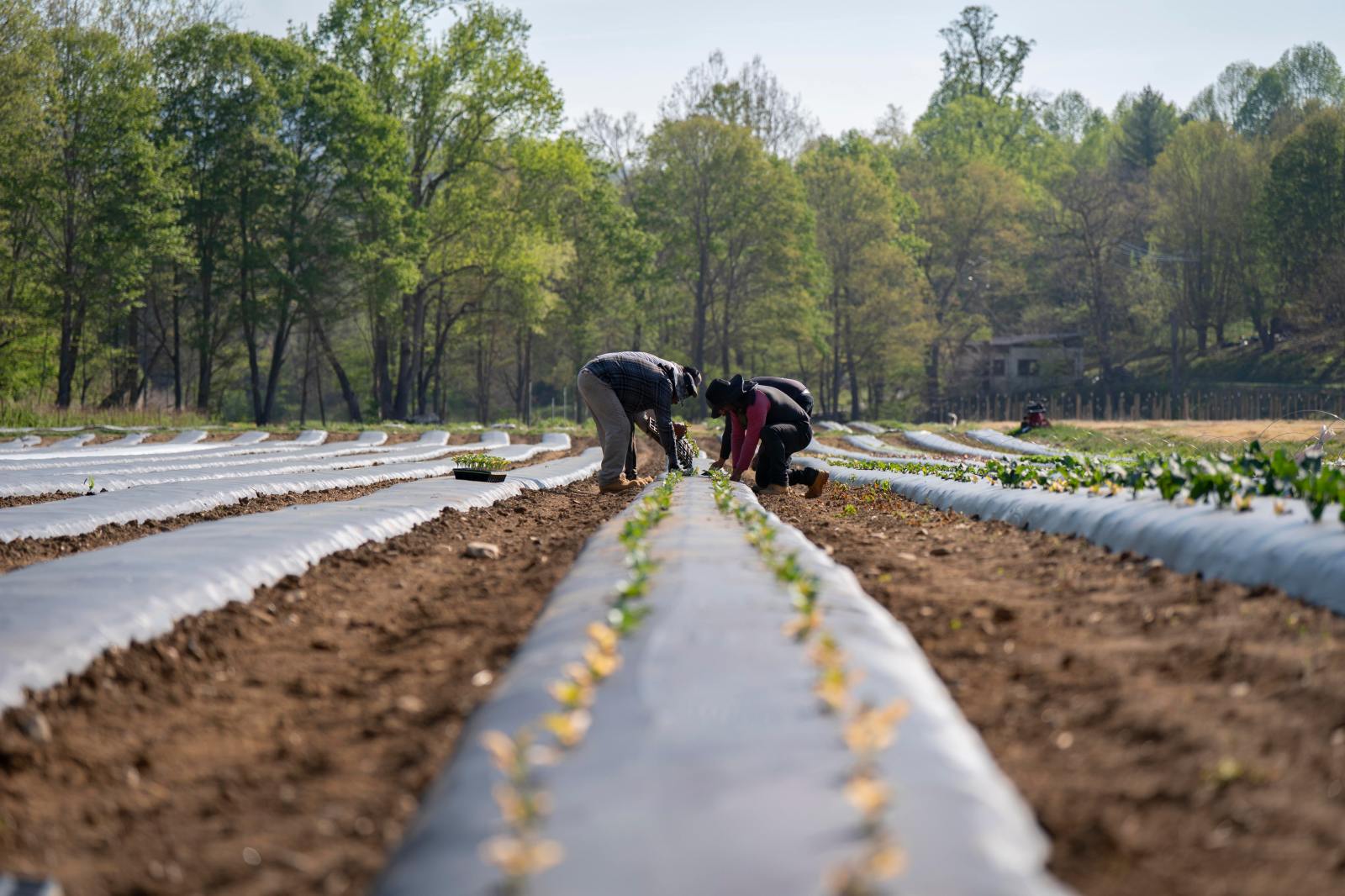
A federal judge invalidated a rule from the Trump administration that decreased wage requirements for many foreign agricultural workers. The ruling stated the Labor Department did not justify how the changes would prevent wage depression for U.S. farmworkers and bypassed essential federal rulemaking procedures.
Judge’s Decision and Implications
U.S. District Judge Kirk Sherriff, appointed by President Biden, found the Department of Labor’s 2025 H-2A wage system overhaul unlawful. Although Judge Sherriff did not immediately nullify the rule, he expressed concerns about disrupting the agricultural labor market. He ordered the Labor Department to develop a new wage-setting methodology promptly.
Court’s decision highlights the need to compensate farmworkers fairly, according to Teresa Romero, United Farm Workers president.
Romero stated that the new wage rates must safeguard the jobs and wages of local farmworkers and that employers should compensate for any discrepancies in wages.
Understanding the H-2A Wage Rule
The case revolved around the Adverse Effect Wage Rate (AEWR), the minimum wage for most foreign workers in the H-2A program. Federal law mandates that hiring foreign workers should not negatively impact U.S. workers’ wages.
Historically, the government determined these wages using USDA farm labor data. However, an interim final rule issued after the USDA’s Farm Labor Survey ceased in 2025 altered wage calculations. United Farm Workers claimed the rule led to wage reductions of up to $7 per hour for some farmworkers.
The revised rule included a two-tier wage structure, shifted to a different survey for wage determination, and introduced a “housing adjustment” reducing required wages by accounting for employer-provided housing. The Department of Labor recognized these changes generally lowered wages and resulted in “wage transfers” to employers.
Criticisms and Judge’s Conclusion
The ruling questioned if lower H-2A wages would harm American farmworkers’ earnings. It pointed out that under the rule, wages for 92% of H-2A positions were below historical averages, using a tiered system based on the lowest skill levels.
The housing adjustment was critiqued for potentially making H-2A workers more cost-effective than some domestic workers. Employers must provide housing to H-2A and certain U.S. farmworkers, so lowering wages could lead to a preference for foreign over domestic workers.
Additionally, flaws were found in the use of a new wage survey and job-classification system, enabling employers to categorize workers into lower-paying positions despite them performing higher-valued duties.
Connection to Trump’s Immigration Policies
The Trump administration’s rule aimed to combine strong immigration enforcement with legal labor pathways expansion, particularly in agriculture. The administration argued the wage rule facilitated transitioning to a legal workforce amid labor shortages.
The Labor Department pointed out expected departures of unauthorized workers could cause shortages, raising labor costs and risking production. Officials claimed H-2A wage reforms were essential for creating a viable legal worker program alternative.
The judge, however, questioned the necessity of lower wages for this transition, citing robust farm-sector income in 2025 and noting significant growth in the H-2A program over the last decade.
The court found the current participation in the H-2A program contradicted claims that previous wage levels were unfeasible.
Next Steps
The court instructed the Labor Department to quickly develop a new wage-setting method and publish new wage rates. The judge kept jurisdiction over the case and required a progress update from the government within two weeks.
The existing rule will temporarily remain, but employers may face wage-adjustments if new rates exceed current payments, as determined by the Labor Department’s forthcoming wage schedule.