Federal Judge Rebuffs Trump’s Attempt to Overturn Hush-Money Conviction
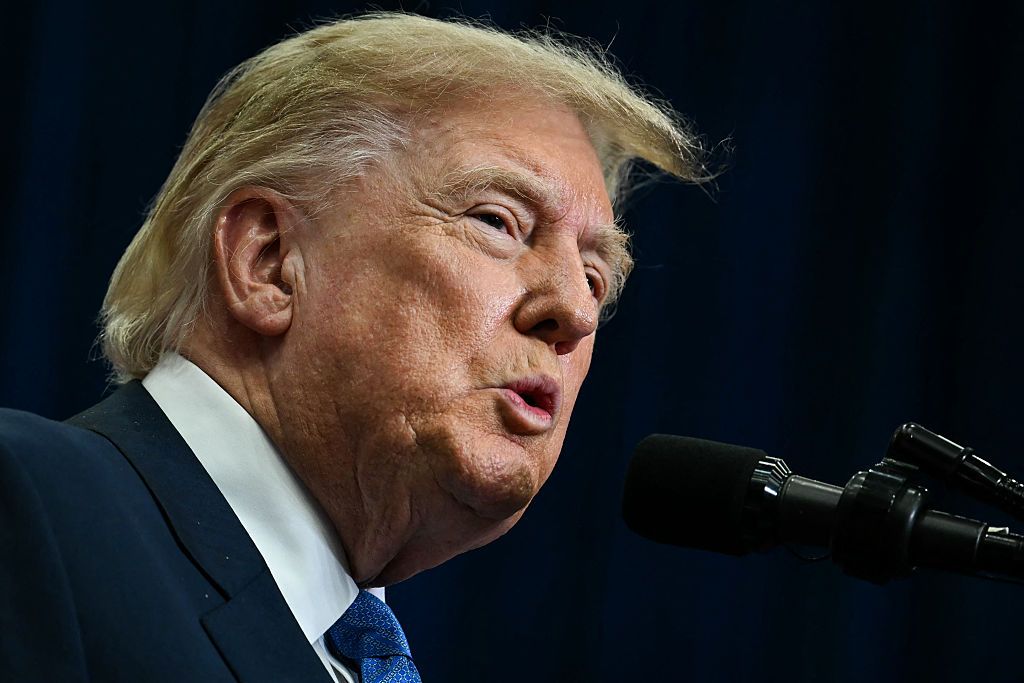
A federal judge reaffirmed his decision to deny President Donald Trump’s effort to overturn his New York hush-money conviction. The judge refused to move the case to federal court or dismiss it due to presidential immunity. This action maintains Trump’s felony conviction as he challenges the case during his presidency.
Judge’s Decision
U.S. District Judge Alvin K. Hellerstein stated that Trump’s arguments were not new or legally sufficient. He noted that Trump had not shown good cause or diligence. This marks the third time Trump’s attempts to transfer control of the case from the New York court where he was tried and convicted have been rejected.
Reasons for Rejection
Judge Hellerstein found no reason to revisit previously rejected arguments. Trump claimed his conviction should be voided due to its connection to his presidency. The judge ruled that Trump’s latest filing did not provide new evidence or legal theory to change the court’s previous decisions. This decision also emphasizes the separation between Trump’s federal position and the state-level offenses involved in the case.
Trump was convicted in New York in 2024 on 34 felony counts of falsifying business records. These were related to reimbursements to his former lawyer, Michael Cohen, for a hush-money payment to Stormy Daniels. Hellerstein has consistently maintained that the acts were personal, not presidential, and thus not eligible for federal removal.
Implications for Trump’s Conviction
The ruling does not alter his sentence, an unconditional discharge, but it keeps the conviction intact as Trump continues to appeal. His legal team argues the conviction should be overturned due to alleged interference with federal authority. They also claim Trump should be immune from prosecution for campaign-related conduct. Hellerstein’s decision counters this argument, leaving Trump to seek relief through state appellate courts.
The case began before Trump returned to the White House. Manhattan prosecutors accused him of falsifying business records to hide reimbursements to Cohen, who paid Daniels $130,000 during the 2016 campaign. A jury found Trump guilty in May 2024, marking him as the first U.S. president convicted of a felony.