The Alarming Rise in Unscreened Women for Cervical Cancer
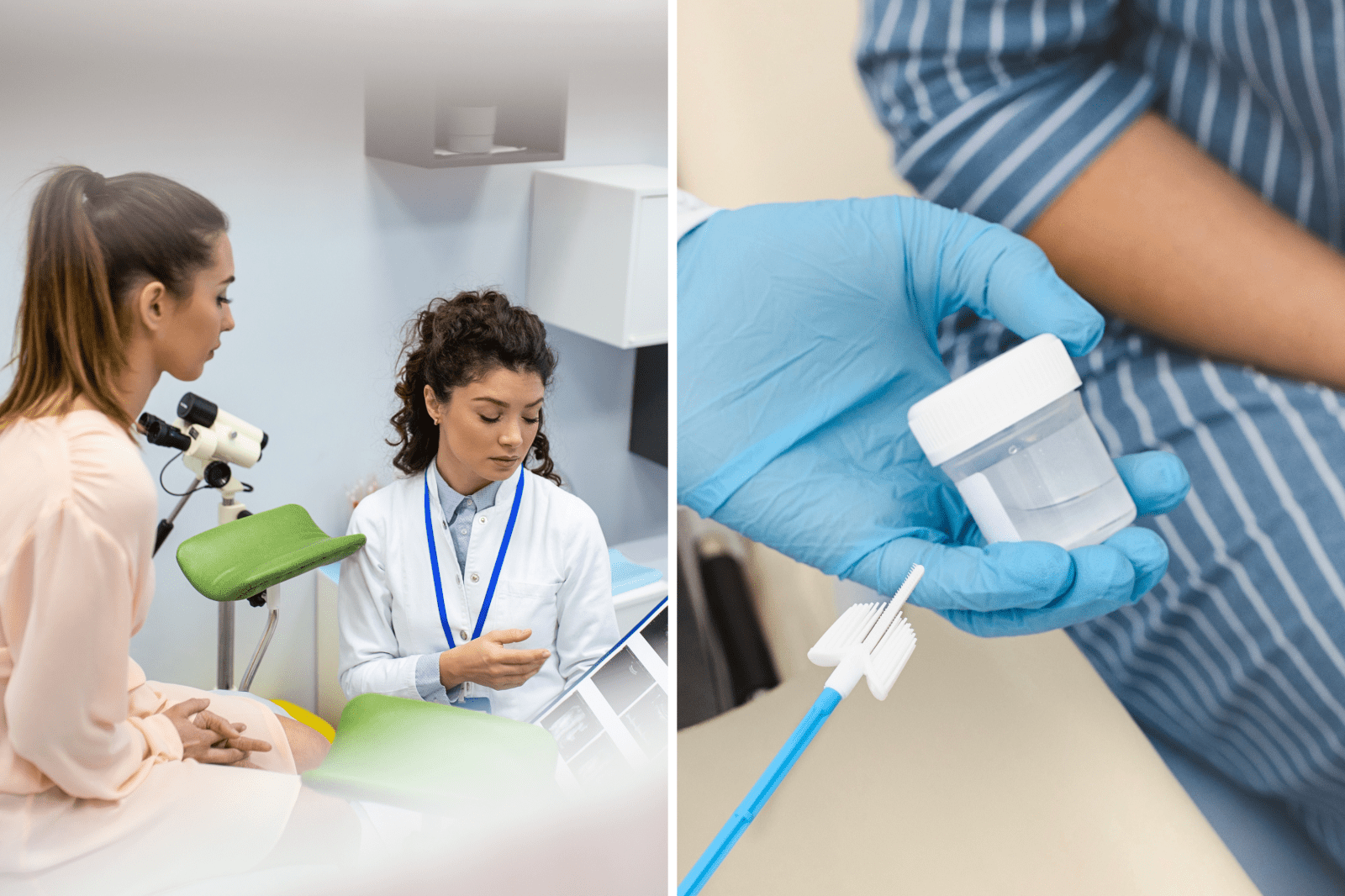
A recent study has revealed a significant increase in the number of young American women who have never undergone cervical cancer screening. According to data published in JAMA Network Open, nearly one in three women aged 21 to 29 have not been screened, with the rate increasing from 12.5% in 2005 to 31.9% in 2023. This translates to a rise in the unscreened population from about 3.5 million to 6.2 million women, with the most notable growth occurring after 2010.
Recommended Screening Practices
Major medical organizations have slightly varied recommendations concerning cervical cancer screening, but the consensus emphasizes HPV-based screening due to the connection between persistent HPV infection and cervical cancer.
USPSTF Guidelines:
- Under 21: No routine screening.
- Ages 21-29: Pap test every 3 years.
- Ages 30-65: Choose one: Pap every 3 years, primary HPV test every 5 years, or HPV/Pap co-testing every 5 years.
- Over 65: Screening can stop with adequate prior screening and no high-risk history.
American Cancer Society Recommendations:
- Start Screening at Age 25:
- Ages 25-65: Preferred: primary HPV testing every 5 years. Alternatives: HPV/Pap co-testing every 5 years or Pap test alone every 3 years.
- Stop at 65: If screening results have been consistently normal and no high-risk factors exist.
Screening Gaps Among Older Women
The study also identified gaps in screening among women aged 30 to 65. The proportion of never-screened women in this group increased from 5.3% in 2005 to 14.8% in 2023. This represents a rise from roughly 4.3 million to 9.2 million women. The concern is significant because it encompasses ages when cervical cancer risk peaks. Women who remain unscreened could reach advanced disease stages before diagnosis.
Data from the National Health Interview Survey and U.S. Cancer Statistics, spanning 2005 to 2023, informed these findings.
HPV Vaccination and Screening Interplay
Lower HPV vaccination rates further compound risks linked with falling screening rates. From 2008 to 2019, HPV vaccination for women aged 21 to 29 increased from 5.7% to 54.0%. Yet, 45.5% of the cohort remains unvaccinated, relating to approximately 8 million women. Notably, nearly a third of unvaccinated women also lack screening, leaving them doubly vulnerable.
Cervical cancer diagnoses at regional and distant stages have grown more than 2% annually after 2017 in women aged 30-65. While screening gaps might not directly cause this increase, the trend is worrying.
Screening Disparities
Disparities exist regarding who is least likely to undergo screening. Women from minoritized groups, those uninsured, and those in Southern U.S. states are disproportionately unscreened. These populations already face elevated late-stage diagnosis and mortality rates, suggesting that screening gaps may reinforce health inequities.
Researchers acknowledged limitations such as potential recall bias and the absence of participant HPV status in the data used. Despite the lack of direct causal evidence, the study underscores a need for further research and closing gaps in screening, particularly for young women and vulnerable groups, remains a public health priority.
Sonawane, K. P., et al. (2026). Rates of Never Receiving Cervical Cancer Screening Among US Women, 2005-2023. JAMA Network Open. doi:10.1001/jamanetworkopen.2026.31550.
Contact Newsweek editors on this story: Kara Dolman and Gray R. Thomas.