The Affordable Youth Soccer Model of Argentina’s Newell’s Old Boys
Newell’s Old Boys: Leading Youth Soccer Academies
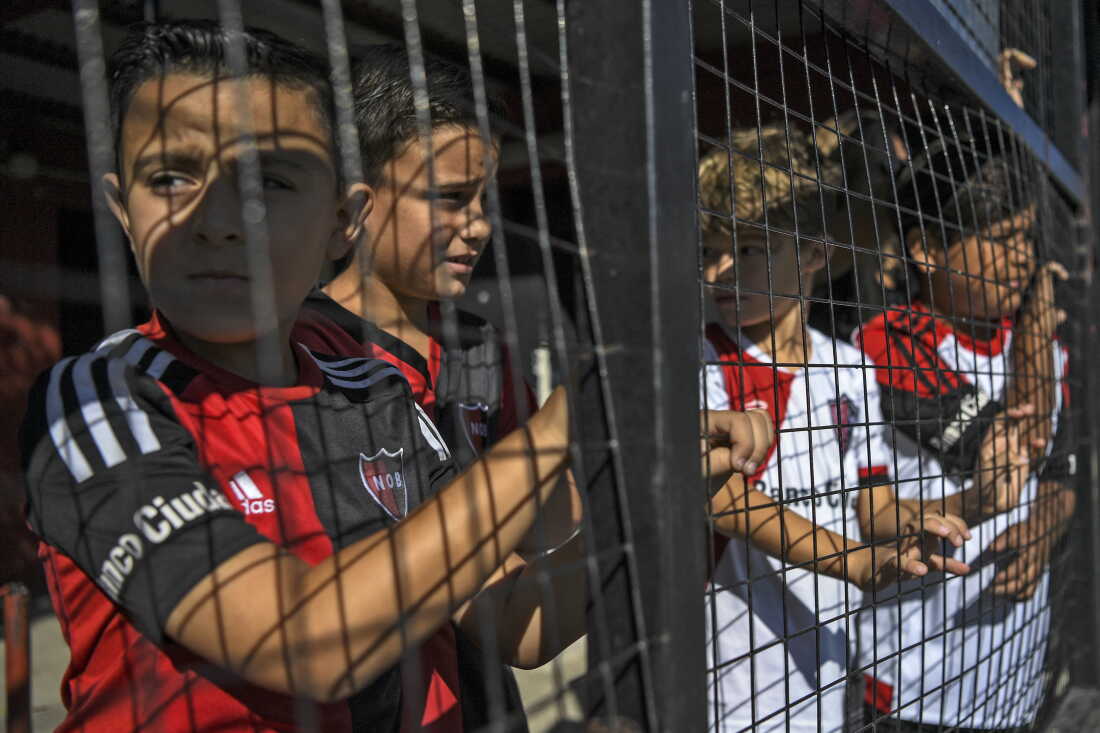
Located in Rosario, Argentina’s third-largest city, Newell’s Old Boys stands as a renowned soccer club with a rich history of nurturing young talents. Among its distinguished alumni is Lionel Messi, an icon of Argentine soccer. The club boasts one of the country’s most successful youth academies, drawing weekly attendance from about 700 children aged 4 to 12. These young athletes train at its centrally-located facilities, adorned with black and red murals that celebrate the club’s famous graduates.
Training Opportunities for Aspiring Soccer Stars
Newell’s offers training scholarships to its most promising young players to further their skills without financial burden. For others, a nominal fee of approximately $25 per month allows them to train twice weekly under coaches, many of whom are former professional players. This contrasts sharply with the hefty fees charged by youth soccer clubs in the United States, which range from $1,000 to $3,000 annually.
Carlos Gil, a fencing contractor, regularly takes his eight-year-old son to train at Newell’s. He notes the affordability and quality of coaching available, which would be out of reach if pricing mirrored U.S. clubs. Gil emphasizes the importance of affordable access to training, particularly for children from low-income backgrounds, a crucial factor in Argentina’s status as a global soccer powerhouse.
Debate Over Youth Soccer Affordability
The debate around youth soccer affordability has grown louder in the United States, especially following recent World Cup events. Critics argue that the prevailing pay-to-play model hinders the development of men’s soccer in the U.S. Argentina serves as an example of affordability while consistently producing world-class players. Various coaches advocate for emulating Argentina’s structure to enhance U.S. soccer.
Financial Model and Club Operations
Newell’s survival isn’t reliant on tuition payments or corporate donations. As a contender in Argentina’s top professional division, the club profits through ticket sales and broadcast rights. Significant revenue emerges from transferring its top young players domestically and internationally.
“The kids that we are training today are what sustains this institution,”
remarks Gustavo Tognarelli, the head of youth development at Newell’s. In contrast, U.S. youth clubs often miss out on transfer payments, as Major League Soccer (MLS) doesn’t mandate such compensations.
Challenges and Potential Solutions in U.S. Youth Soccer
Rory O’Neill, a coach from Pennsylvania, highlights the limited revenue sources for U.S. youth clubs, relying heavily on parental payments. He advocates for an ‘open ecosystem’, where performance could propel teams into higher divisions, enhancing their financial prospects. This idea resonates with Filippo Silva, a business owner and coach in Orlando, who believes in incentivizing small investors to support soccer.
Argentina’s model, promoting hundreds of clubs in its football pyramid, offers insights for potential U.S. restructuring. Newell’s supports about 400 players aged 12 to 18, fostering their development with intensive training schedules. Carlos Gil, despite challenges due to distance, benefits from the scholarships and low fees Newell’s offers.
“In Argentina, we might not have so much money,” Gil says. “But in some areas, we have better quality of life.”