U.S. Military Minesweeping Effort in the Strait of Hormuz
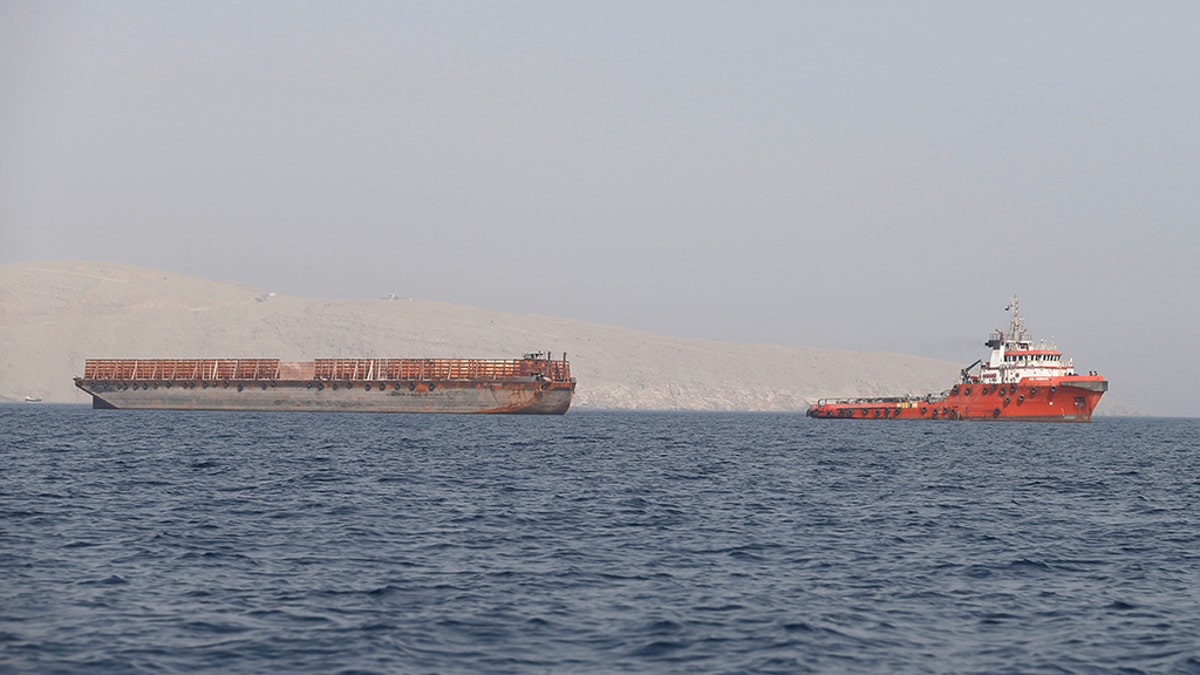
Last week, President Donald Trump claimed the U.S. had cleared all mines in the international waters of the Strait of Hormuz. Now, a detailed report by the commander of U.S. Central Command provides insight into this operation. This months-long effort saw U.S. forces quietly removing Iranian sea mines from international shipping lanes.
Adm. Brad Cooper, CENTCOM commander, stated, “We have successfully cleared sea mines laid months ago by Iran’s Islamic Revolutionary Guard Corps.” Despite the progress, the Strait is still labeled a “SEVERE” threat level, with recent attacks on tankers near Oman and continued low oil flows.
The Strait of Hormuz is a critical maritime route, only 21 miles wide at its narrowest, with shipping lanes two miles wide in each direction. It connects major oil producers to the Indian Ocean.
Operations Overview
Cooper explained that U.S. forces cleared the Strait’s Traffic Separation Scheme, a system guiding commercial vessels. Using a mix of Navy divers, SEALs, and air power, threats were neutralized. This operation coincided with a transition in Navy mine warfare, as Bahrain-based mine countermeasure ships were retired.
Retired Vice Adm. Kevin Donegan highlighted advancements in technology, including unmanned systems mapping seabeds to locate threats. According to Cooper, 1,500 commercial vessels were assisted through the Strait recently, carrying 750 million barrels of crude oil.
Execution and Challenges
Donegan, not part of the recent operation, explained the process involves surface vessels identifying mines, while divers and SEALs handle neutralization. Multiple sections of waterways can be at different clearance stages, with ongoing detection to ensure thoroughness.
The Navy uses sophisticated models to ensure virtually 100% detection probability before declaring lanes clear. This calculation considers factors like detection systems’ effectiveness and waterway characteristics.
The Navy has consistently prepared for such operations, with extensive rehearsals dating back to 2012. However, the threat of drifting mines, an ongoing concern, remains low due to local currents.
Current Status and Continuing Risks
Despite CENTCOM’s announcement, the broader situation remains tense. The UK Maritime Trade Operations still considers the Strait high-risk, warning of possible drifting mines. Recent incidents saw tankers hit near Oman, though all crews were safe.
Oil flow through the Strait is significantly lower than prewar levels, affecting global markets. Reuters reported decreased vessel numbers transiting the Strait recently.
Amid these challenges, Iran and Oman announced discussions on joint navigation and mine clearance. This cooperation aims to possibly extend beyond the areas the U.S. has secured.
Cooper’s briefing is the most comprehensive official account following Trump’s declaration. While U.S. efforts have opened recognized lanes, the overall risk and traffic disruptions suggest the Strait continues to face significant threats.