Meta’s Settlement in Major Social Media Trial
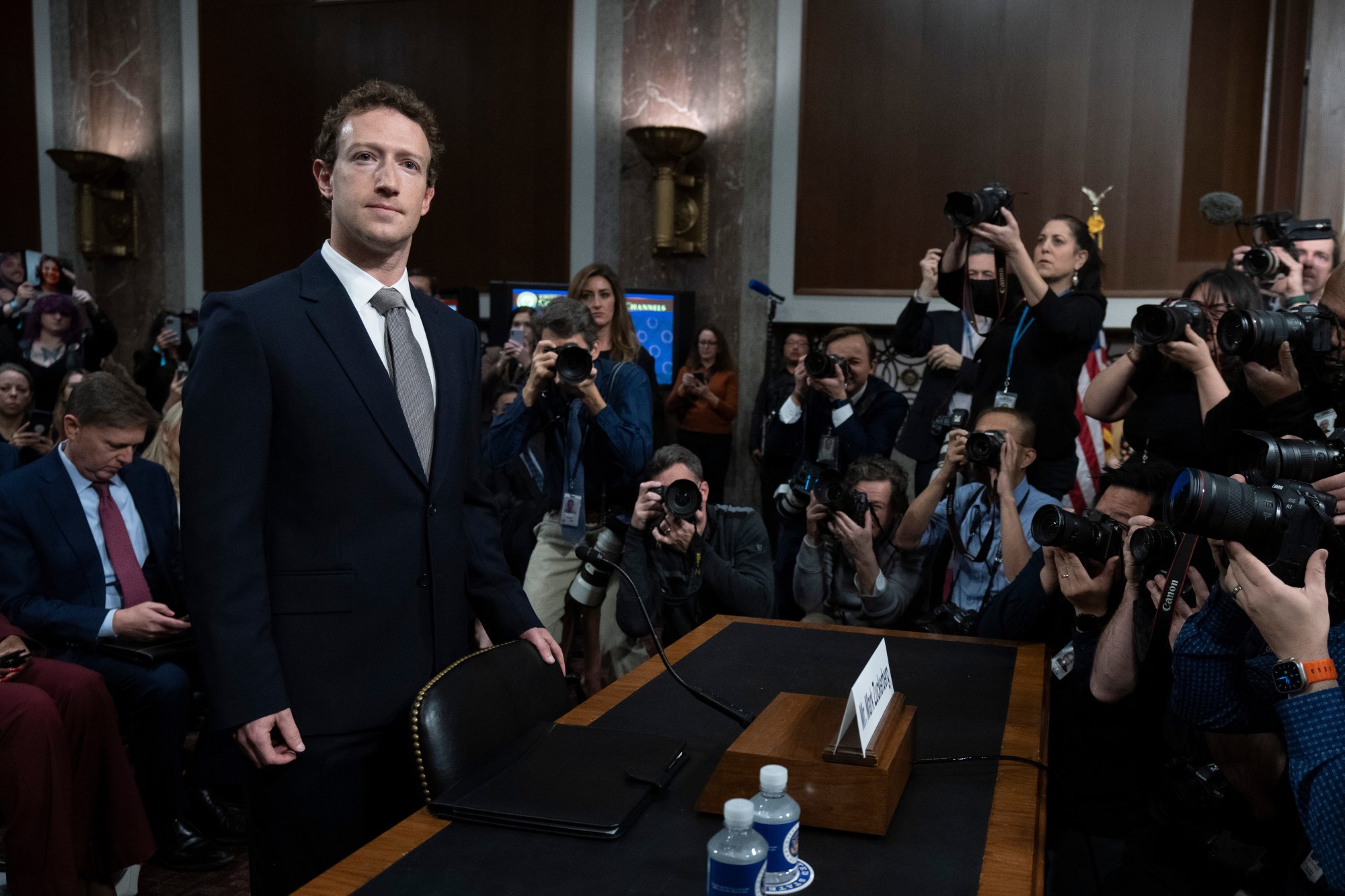
In January 2024, Meta CEO Mark Zuckerberg appeared before a Senate Judiciary Committee on Capitol Hill, Washington, to discuss child safety issues on social media platforms. Shortly afterward, on August 26, Meta agreed to a settlement with 47 states, Washington D.C., and U.S. territories amid one of the largest trials ever seen in social media history. The agreement stipulated that Meta would pay $12.19 billion over a period of ten years, potentially increasing to $17.1 billion if TikTok and YouTube accept similar terms. On the same day, Texas reached a separate settlement of $1 billion with Meta.
This settlement has been recognized as the most significant state consumer protection agreement outside of those associated with Big Tobacco. Although the coalition of states initially sought close to $200 billion, Meta’s legal team indicated potential damages up to $1.4 trillion. The resolution was expected to bring substantial changes to not only Meta but also the wider social media landscape. However, Meta’s payment amounted to less than ten percent of the original demand.
Mark Weinstein, one of the early creators of social networking, has been working on social media platforms since the 1990s without resorting to targeted advertising or algorithmic manipulation. The industry shifted towards prioritizing engagement and surveillance advertising at any cost, which Weinstein argues has led it astray. This settlement was viewed as an opportunity to reclaim control from these practices, albeit partially.
Earlier in the year, Meta lost two significant cases. In March, a jury in Los Angeles found both Meta and YouTube liable in a personal injury case concerning addictive design. Similarly, a case against Meta in New Mexico resulted in nearly $1 billion in penalties. During the largest trial, testimonies highlighted intentional harmful design practices. “Hook the users. Hold them for as long as they can. Harvest their data. Hide the truth from the public when making public statements,” stated California Deputy Attorney General Megan O’Neill.
Arturo Bejar, a former Meta safety engineer turned whistleblower, served as the key witness. He disclosed that Meta adopted a ‘don’t ask, don’t tell’ approach for underage users. He explained to the jury that “Instagram changed from a product that you use to a product that uses you.” An email Bejar sent in 2021 indicated that over half of surveyed teens had negative experiences on Instagram. Zuckerberg allegedly did not respond to the email, and the case settlement preceded Zuckerberg’s expected testimony, reflecting the strength of the case.
Comparison between tobacco and social media arose frequently, pointing to the transformative impact of the 1998 settlement where four major cigarette companies paid $206 billion to 46 states. The settlement halted cigarette advertising to children, reducing high school smoking rates from 36 percent in 1997 to 1.4 percent today.
This settlement intended to effect changes beyond marketing, explicitly targeting the product itself. It established constraints for users under 18, limiting access to two hours daily, restricting usage between midnight and 6:00 a.m., banning push notifications during school or overnight, eliminating public ‘like’ counts, and prohibiting beauty filters. Parents could adjust the time limits and overnight restrictions, with direct messages approved without limitations.
Despite these measures, two critical omissions remain. The algorithmically manipulated newsfeeds for users under 18 are maintained, only offering an opt-out option rarely chosen. This core aspect of Meta’s business model predicts the content that prolongs engagement and persists unchanged. Additionally, the method for providing ‘robust’ age assurances to exclude users under 13 rests solely with Meta.
Meta positioned the settlement as a win. With annual revenue nearing $200 billion, the payment over ten years accounts for less than one percent of yearly earnings. Spread across 47 states, D.C. and territories, the disbursements will be minimal. Florida Attorney General James Uthmeier, who declined the agreement, equated the settlement to “peanuts compared to the profound harms Meta’s profit-driven addictive features inflicted on kids.”
Meta’s stock saw a 4 percent rise following settlement news, which inflated its market value substantially more than the settlement’s total. Such a response, reminiscent of the 2018 Cambridge Analytica settlement, raises concerns. Meta previously might have faced a $2 trillion penalty by the Federal Trade Commission, yet only incurred a $5 billion fine, also witnessing a stock surge upon the announcement. A stock price increase upon penalty declaration implies underlying issues.
The ramifications extend beyond Meta. California Attorney General Rob Bonta affirmed that Meta leads the way as YouTube, TikTok, and Snap confront similar legal challenges. Meta’s payout conditions $5 billion on YouTube and TikTok adopting identical changes. It implies that the attorneys general have inadvertently become enforcers against Meta’s competitors, ensuring other apps do not become alternatives for children.
Beyond courtrooms, opposition intensified. Almost 30 states have enacted phone bans during school hours recently. This August, the Senate committee advanced the Kids Online Safety Act. Australia set a precedent by prohibiting users under 16 from social media last year, prompting other nations to follow. The European Union is moving towards implementing similar legislation. Numerous lawsuits from individuals and school districts are pending.
While Meta admitted no wrongdoing, future proceedings remain to address unresolved issues. The attorneys general aimed for a result and have achieved it, yet Meta walked away advantageously. The question remains if states were outmaneuvered. Plaintiffs who pursued Meta in Los Angeles and New Mexico won their cases, and countless families and school districts maintain promising arguments. The lesson is clear: pursuing jury trials holds potential.
Mark Weinstein, recognized as one of the initial social media architects, authored “Restoring Our Sanity Online,” acclaimed as “2026 Outstanding Book of the Year” by the Axiom Business Book Awards.
Copyright 2026 Nexstar Media Inc. All rights reserved. This material cannot be published, broadcast, rewritten, or redistributed.