Challenges in Global Food Crisis Reporting and Aid: The Case of FEWS NET
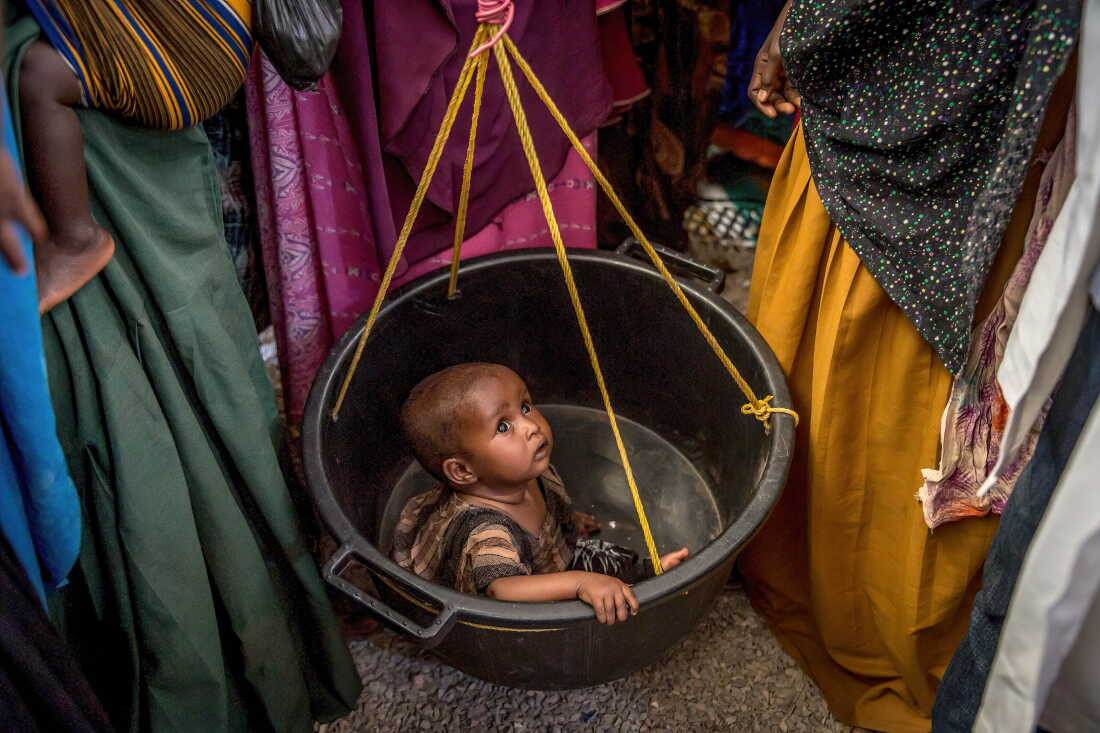
In Baidoa, Somalia, children are being screened for malnutrition, highlighting severe drought-induced famine concerns. Somalia’s situation is part of a broader challenge involving the Famine Early Warning Systems Network (FEWS NET), a crucial tool for predicting food crises.
FEWS NET, once reliable for pinpointing famine risks via detailed maps, faced setbacks when its website was unavailable. This hindered essential reporting needed by aid groups. The site went offline in early 2025, affecting Somalia, Afghanistan, and Yemen, where food insecurity remains critical.
Jeremy Konyndyk, from Refugees International, experienced this firsthand when checking for updates while en route to Somalia. Despite a worsening crisis affecting 6.5 million Somalis, reports ceased updating beyond July. Similarly, Afghanistan and Yemen were omitted from a key food assistance briefing in August 2026, which reflected cuts in aid by the Trump administration. These pauses in data plagued areas where acute hunger needed prompt response.
The Critical Role of FEWS NET
Developed four decades ago, FEWS NET’s analyses—leveraging crop reports, market data, and satellite imagery—alert aid groups months ahead of severe crises. Its ability to foresee issues up to nine months earlier helps agencies prepare aid distribution efficiently.
During recent lapses in reporting, aid organizations like the Rockefeller Foundation criticized these disruptions. Although the State Department acknowledged transitions in reporting due to policy and priority shifts, they affirmed FEWS NET’s return in September for these pivotal regions. Understanding the importance, FEWS NET data aids not only in Somalia’s current plight but also helps respond to Yemen’s 5 million, and Afghanistan’s 14 million, people in acute hunger.
Challenges Amid Ongoing Crises
FEWS NET previously faced operational pauses, notably during a six-month halt in early 2025 due to aid freezes by the Trump administration. The service’s vulnerability resurfaced as parts of its critical updates were stalled. Such issues are further compounded by reduced U.S. aid, resulting in a dramatic decrease in assistance to Somalia, once a major U.S. aid recipient.
This reduced aid led to resource constraints wherein the World Food Program scaled back its monthly assistance from 2 million to 350,000 individuals. UNICEF reported closure of 205 child nutrition clinics, underscoring delays in care for vulnerable populations.
The Significance of Accurate Data
FEWS NET data becomes essential when assessing famine progression; successful relief depends substantially on this information. With accurate forecasts, as endorsed by aid experts, food delivery can be better timed and targeted to risk zones.
FEWS NET’s reports complement other global food security databases like the U.N.’s Integrated Food Security Phase Classification (IPC) and World Food Program’s HungerMap. However, experts argue FEWS NET delivers unparalleled analysis for preventive action against famine dangers.
Ensuring its reliability and independence is crucial, especially with government hesitation over famine declarations, which can affect economic investments. Experts like Michelle Jurkovich emphasize that unbiased data collection is vital to maintain credibility and support timely aid interventions.