Endangered Kakapo Parrot Records Baby Boom in New Zealand
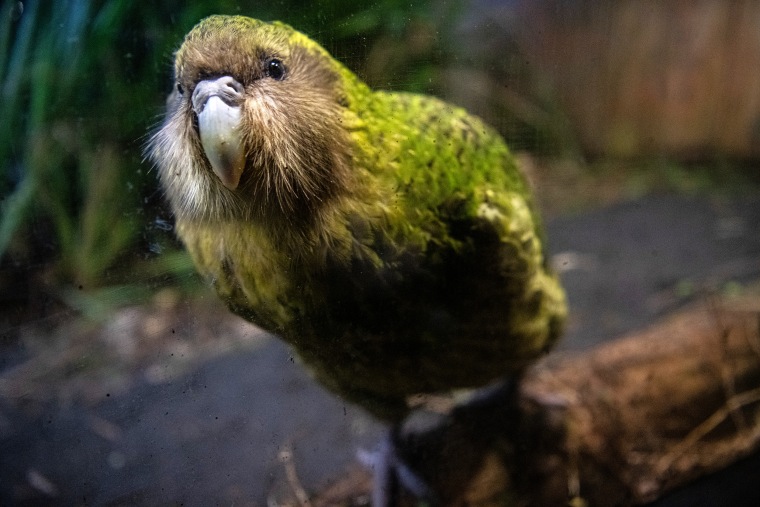
New Zealand has welcomed a significant increase in one of the world’s most endangered parrot species, the kakapo. The population now numbers 325 birds after the addition of a record 90 chicks this year, according to the New Zealand Conservation Department.
The kakapo is native to New Zealand, and these fledglings reached a key milestone, becoming independent enough to be officially counted at 150 days old. The kakapo’s walking style makes it an easy target for ground predators, further highlighting the importance of each bird to conservation efforts.
The kakapo is notable for being flightless and the heaviest parrot species, with adult males weighing up to 9 pounds. They sport a distinctive appearance with yellow-green plumage and large gray beaks and can live between 60 and 90 years, which is unusually long for birds.
Conservationists emphasize that the kakapo remains critically endangered. However, Deidre Vercoe, manager of the kakapo recovery operations, celebrated the record number of chicks for a single season. She noted how previous recovery efforts took 16 years to produce this many chicks.
The Kakapo Recovery Programme started in 1995 with a mere 51 birds, including only 20 females. Efforts have focused on overcoming challenges such as infertility and poor hatching success due to low genetic diversity.
Efforts emphasize creating more predator-free habitats for these birds.
Each kakapo is equipped with a small radio transmitter to monitor its location, aiding conservationists in their work. Once common in New Zealand, kakapo populations dwindled due to human impact, predation, and habitat loss. Conservation initiatives began in 1894 but the bird almost went extinct by the mid-1900s.
Kakapos have evolved to survive without flying, as they originally faced no ground predators. Human arrivals introduced predators like cats and rats, devastating the population.
Currently, the surviving kakapos are maintained on protected offshore islands. They survive largely on berries from native Rimu trees, which only fruit every two to four years, affecting their breeding schedules.
This year’s program trialed reducing intensive management, using remote nest technology for monitoring and cutting back on supplementary feeding. Tāne Davis, a representative of the kakapo recovery group, explained that the focus is on determining where to use intensive intervention and where natural breeding can suffice.
Looking ahead, many chicks will receive names on their hatch day anniversaries next year. Some will remain unnamed for a more natural process as the species recuperates.
Predictions show the gap between breeding seasons could be only two years this time. As the group reflects on this successful year, they are already planning for the future, looking to 2028 for further progress.