Lindsay Clancy Trial Nears Possible Mistrial Amid Jury Deadlock
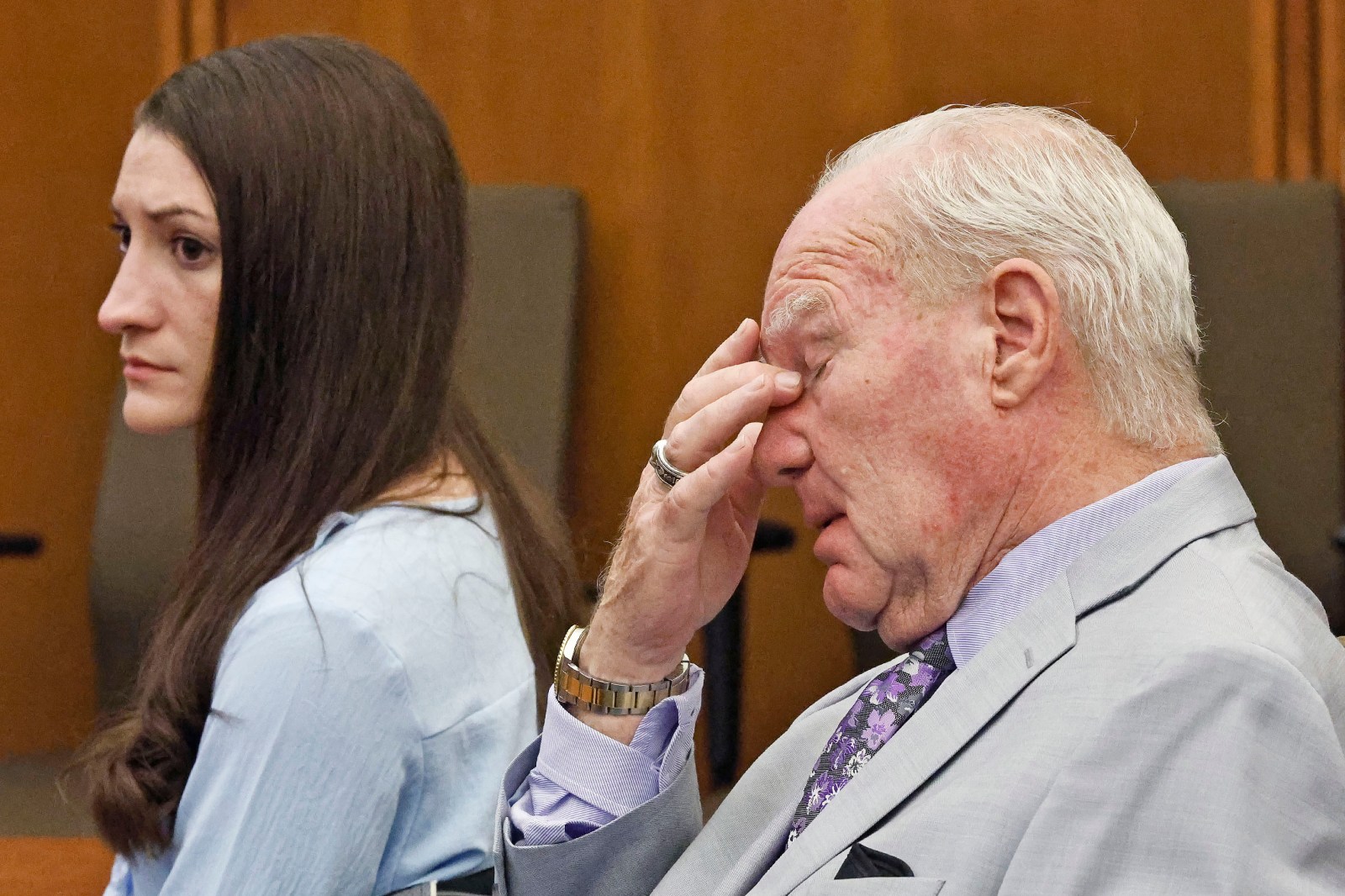
The Lindsay Clancy trial is experiencing significant challenges as the jury remains unable to reach a unanimous verdict. A former Manhattan prosecutor speculates that the trial may lead to a mistrial if the deadlock cannot be resolved.
Gary Galperin, with extensive experience as a Manhattan prosecutor, suggests the case is heading towards a deadlock but notes that a unanimous decision is still possible. The jury first reported its inability to agree on a verdict after deliberating since August 27, following a lengthy trial.
“It’s heading to a mistrial,” Galperin commented.
Former prosecutor Rither Alabre concurs that the judge already issued Tuey-Rodriguez instructions to encourage deliberation without coercion. However, these instructions may not be repeated beyond twice. Alabre notes that if the jury is still deadlocked, a mistrial could be declared.
The focus of the trial is whether Clancy, who admitted to strangling her children, comprehended the wrongfulness of her actions or suffered from a severe mental illness, thus relieving her of criminal responsibility.
Clancy is accused of murdering her children in January 2023. Her defense accepts her actions but claims she was afflicted by postpartum psychosis. The prosecution counters that Clancy understood her actions and presents evidence to support this assertion.
This conflicting evidence poses a challenge for the jurors, making the case particularly complex. Galperin emphasizes that mental illness alone does not absolve one of criminal responsibility; the legal threshold for insanity must be met.
Deadlocked juries do not need a split of 6-6 members. A single juror can cause a deadlock, and the division could range from 11-1 or 10-2. This nuance explains why the judge persists in encouraging deliberations.
Should a mistrial occur, the case would not vanish but likely be retried before a new jury. Alabre anticipates a retrial, noting it allows both prosecution and defense to refine their approaches.
Expert testimony on Clancy’s psychiatric state is pivotal, showcasing both parties’ claims about her mental illness. Jurors rely on these experts to comprehend medical issues beyond their everyday experience.
Galperin and Alabre highlight the importance of an expert’s credibility and presentation. These factors significantly influence the jury’s perception and evaluation of evidence.
Jurors might agree on Clancy’s psychotic state but differ on her criminal responsibility. Evidence suggesting awareness in Clancy’s behavior complicates the jurors’ task, requiring a nuanced understanding of legal standards.
When juries request testimony to be revisited, it often signals progress toward a breakthrough, potentially leading to a verdict. Galperin warns that prolonged deliberation can imply deadlock, yet a unanimous decision remains possible.
If found free due to mental illness, Clancy’s future would involve assessments of her current mental condition rather than immediate release. Galperin underscores that public perceptions of the trial’s outcome are varied.
As deliberations continue, it remains uncertain whether agreement can be reached or if the trial will end unfinished.