DHS Proposal to Limit Birthright Citizenship for Foreign Government Employees
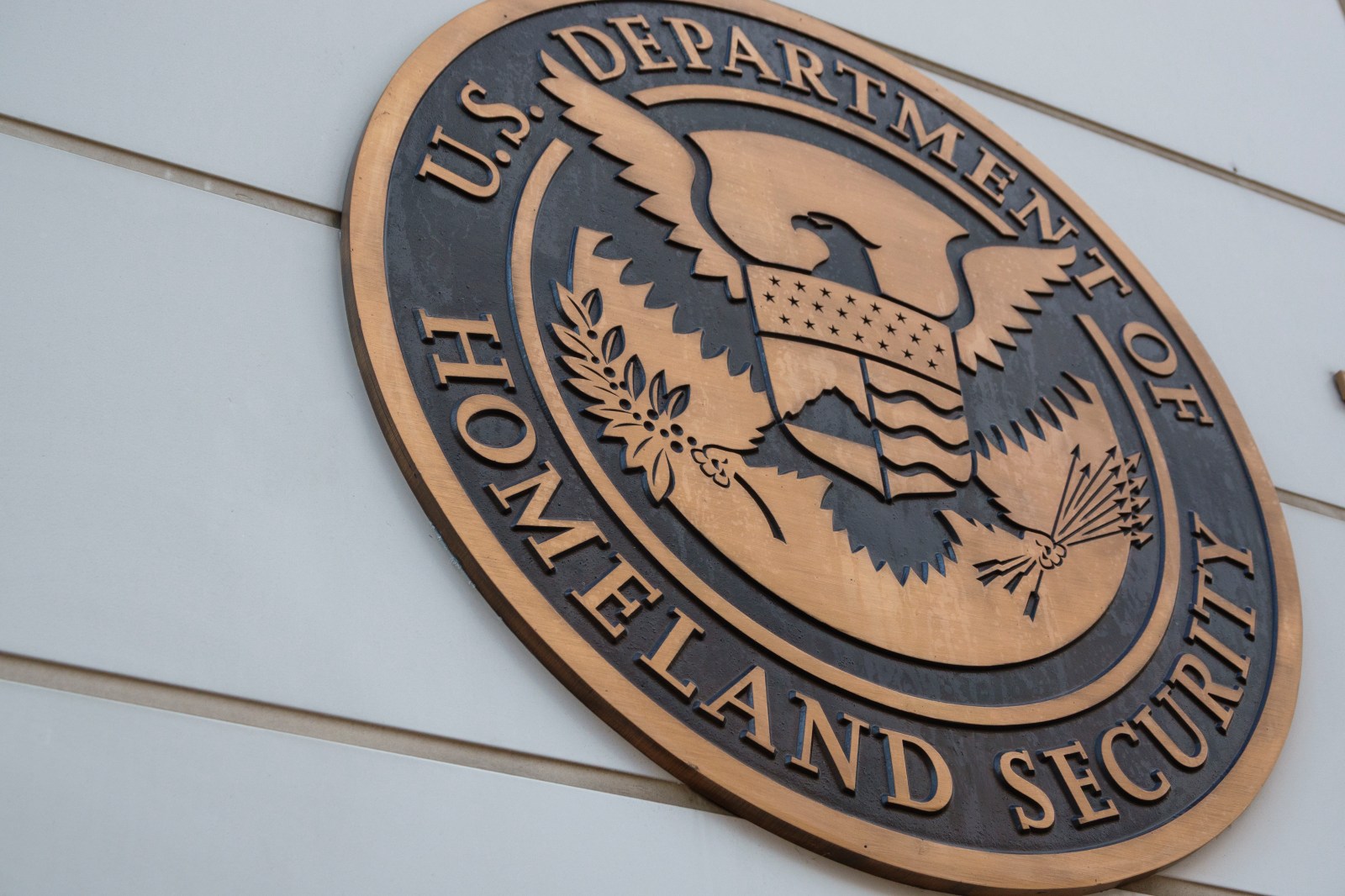
The Department of Homeland Security (DHS) is planning to expand the categories of individuals exempt from birthright citizenship, offering them green cards instead. A Federal Register filing explains DHS’s aim to prevent children of foreign government employees from receiving citizenship under the 14th Amendment. This marks a shift from limiting exemptions solely to those born to diplomats or ambassadors.
This initiative is part of the Trump administration’s ongoing efforts to restrict birthright citizenship, despite a U.S. Supreme Court decision affirming that any child born on U.S. soil is an American citizen, as outlined in the constitutional amendment. DHS’s interim final rule allows certain children born to foreign government employees in the U.S. to become lawful permanent residents, stating they won’t be U.S. citizens at birth unless one parent is American.
Rule Details
The proposal seeks to replace current regulations covering children born to diplomatic officers with a broader category inclusive of “foreign government employees.” The regulation specifies that a person born in the U.S. to a foreign government employee doesn’t fall under U.S. jurisdiction for birthright citizenship unless at least one parent is a U.S. citizen.
- Foreign diplomatic officers accredited to the United States.
- Nationals employed by foreign embassies or consulates.
- Individuals employed by foreign governments in an official capacity.
- Employees of international organizations with immunity.
These individuals may apply for lawful permanent resident status through the existing immigration process and, if approved, will be permanent residents from birth.
David Bier from the Cato Institute criticized the rule, saying DHS lacks the authority to declare certain people outside U.S. jurisdiction. The rule opposes the Supreme Court’s decision that all individuals born in the U.S. are subject to its jurisdiction unless they have specific immunities like ambassadors.
Ties to Trump’s Birthright Citizenship Agenda
DHS attributes the rule change to Executive Order 14418, signed by President Trump, aiming to protect the value of American citizenship. The order directed DHS to prevent citizenship document issuance to U.S.-born individuals whose parents belong to certain categories.
The rule highlights the administration’s interpretation of the 14th Amendment, stating children of foreign government employees are outside its citizenship clause when neither parent is American.
Differences from Diplomat Exception
The proposal is not simply a restatement of exceptions for diplomats. Children of accredited foreign diplomats have never been automatically considered U.S. citizens due to their exemption from U.S. jurisdiction. Current DHS regulations let such individuals gain permanent residency.
Now, DHS’s broader definition includes more embassy staff, consular employees, foreign government workers, and some international organization employees. This change expands the group considered not “subject to the jurisdiction” of the U.S., likely sparking legal and political debates.
Legal Challenges and Implementation
DHS acknowledges ongoing litigation regarding birthright citizenship and notes the rule won’t be implemented against existing court orders unless the government gets relief from current injunctions. The legal challenges represent the uncertain terrain the citizenship agenda is navigating.
The proposal is scheduled for the Federal Register on September 9, taking effect immediately while DHS opens it for public comment. The regulation will apply to children born on or after this date, not impacting those born earlier. The evolving legal scenarios will test if courts support this expanded interpretation of birthright citizenship restrictions beyond accredited diplomats.
This rule represents another phase in Trump’s efforts to redefine the scope of birthright citizenship in America, highlighting the administration’s broader struggle over the 14th Amendment. For this story, contact Newsweek editors Jason Lemon and Anthony Murray.