Increasing Concerns Over U.S. Economy Under Trump
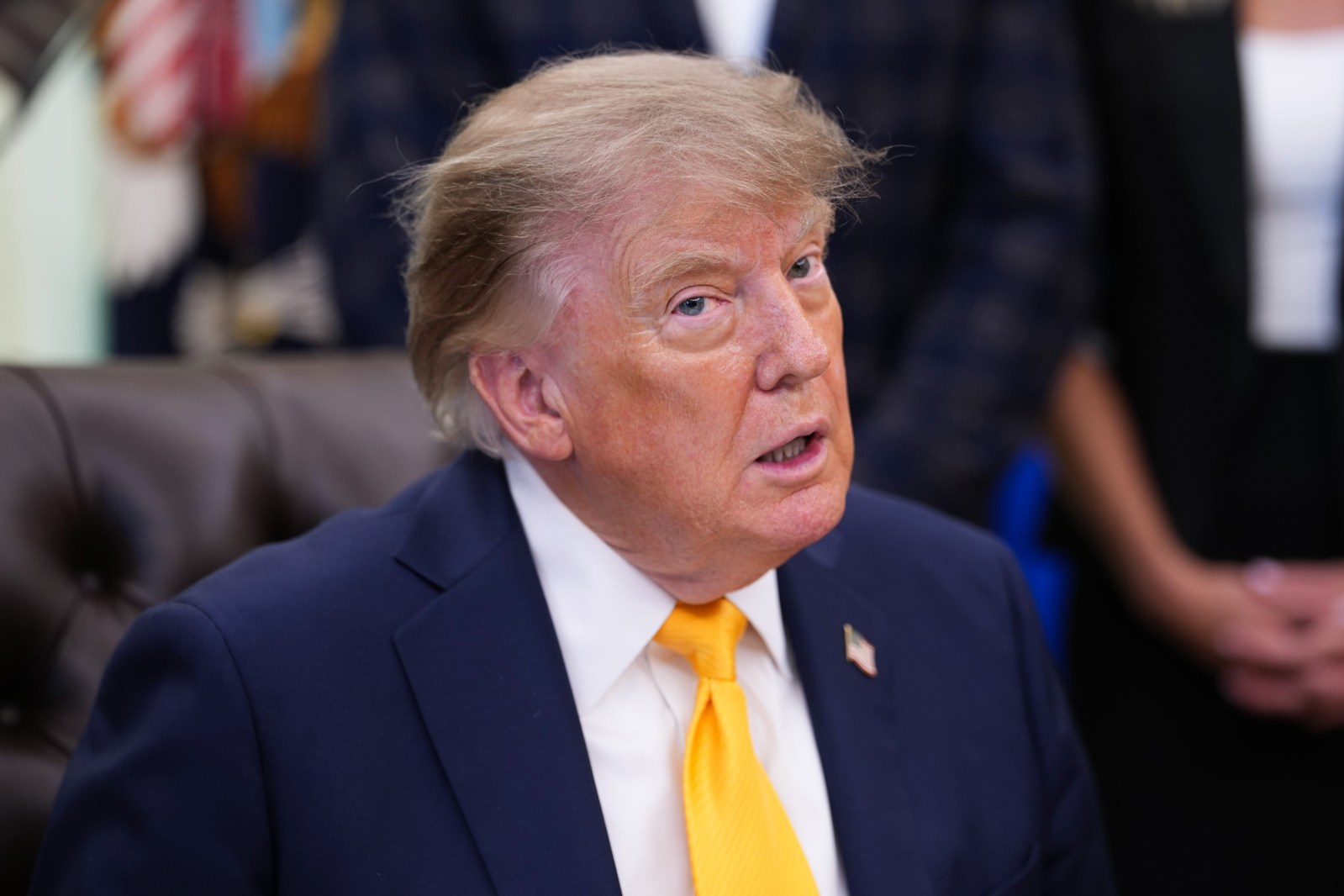
A recent poll indicates growing concern among Americans about the state of the U.S. economy under President Donald Trump. The poll, conducted by the Financial Times and Focaldata, shows only 33% of registered voters approve of Trump’s performance. This marks a three-point decrease from the previous month and the lowest approval rating since the poll series started in May.
The survey reveals 66% of the 2,178 adults surveyed believe the U.S. economy is on the wrong track. This is the highest percentage recorded in this poll series. Only 17% of respondents approve of Trump’s handling of inflation and living costs, while 69% disapprove. Support for Trump’s approach to jobs and the economy has also fallen to a low of 26%.
Economic confidence has declined, with only 18% of Americans feeling financially better off since Trump resumed office in January, a drop from 32% in May. Meanwhile, 57% of respondents feel worse off, rising from 36%. Negative sentiment has increased across parties, with 66% now stating the economy is heading in the wrong direction, compared to 61% earlier in the year.
Among those who voted for Trump, belief in the right economic direction has fallen to 44%, down from 55% in May. Among strong Republicans, the number believing the economy is on the right track has decreased to 52% from 65%.
As the midterm elections approach, these findings reflect the growing importance of economic issues. According to a Harris Poll for The Guardian, 95% of Americans consider the nation to be in an affordability crisis, driven by rising prices for groceries, gas, and other expenses. Fuel prices have surged, with diesel prices hitting new highs.
The FT and Focaldata mid-August poll shows that Democrats are now more trusted to handle the economy than their opponents, reflected by 44% support compared to 38% for Republicans. Economic issues remain the top priority for Americans, with 43% citing inflation and living costs as significant concerns, followed by the economy and jobs (31%), war (20%), and immigration (16%).
In response, a White House spokesperson noted that Trump recognizes the temporary disruptions caused by the war and remains committed to implementing economic policies of tax cuts, deregulation, and increasing energy supply. August employment figures show job gains exceeding expectations, according to the Bureau of Labor Statistics.
However, political consultant Matt Klink warns that economic skepticism poses a substantial risk to the ruling party, especially for Republicans who rely on working-class, rural, and independent voters seeking price relief. If voters perceive rising costs and inadequate responses from the government, the midterms may center on affordability, presenting a challenging scenario for the GOP.