The Retraction of the Study on Hidden Structures in the Great Pyramid of Giza
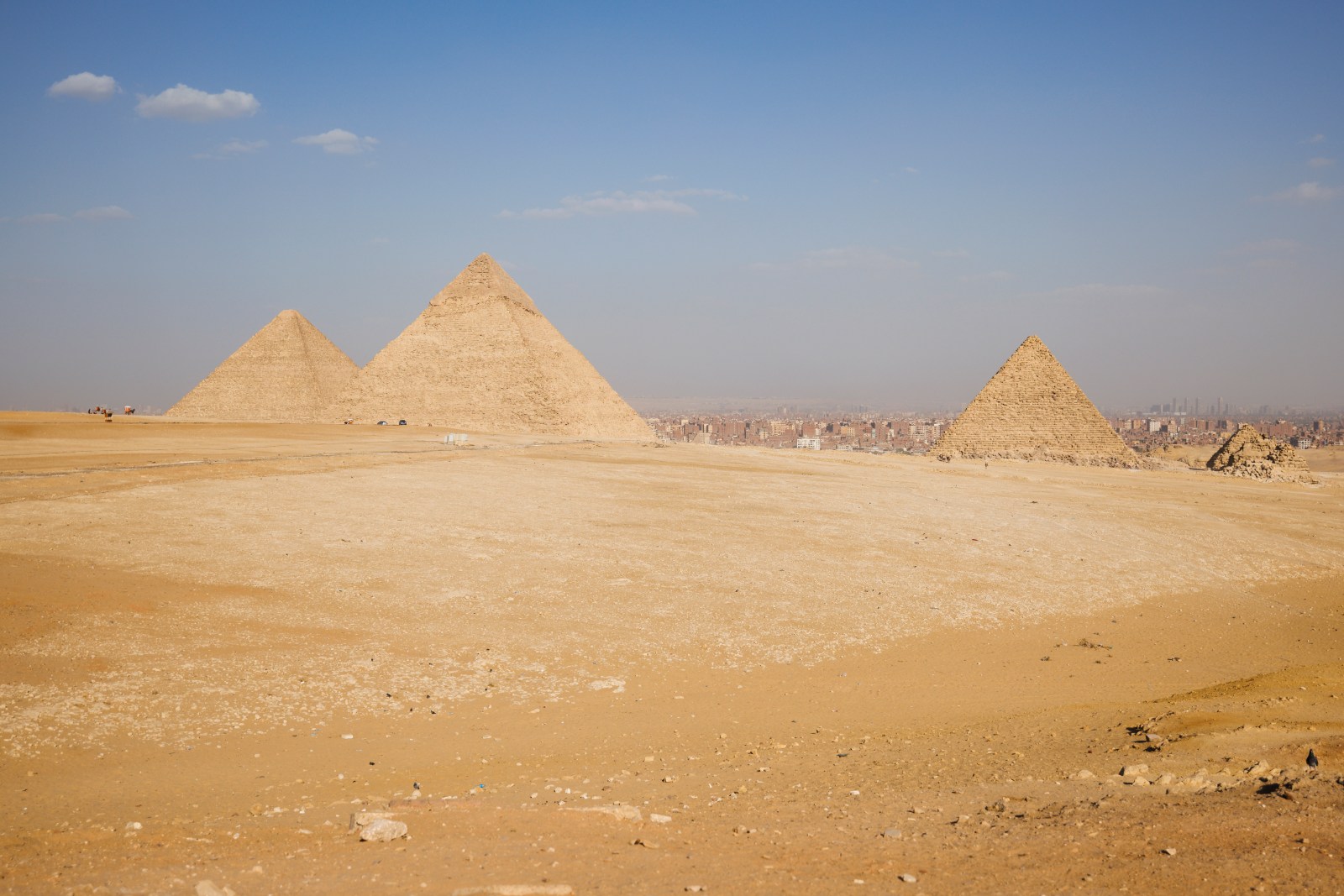
A scientific journal has retracted a study that claimed satellite radar could uncover hidden structures within the Great Pyramid of Giza. The study faced retraction due to methodological flaws and statistical errors that invalidated its conclusions. This retraction is significant as the paper laid a scientific groundwork for bold claims about the Pyramid.
The Original Claim
In 2022, Italian researchers Filippo Biondi and Corrado Malanga published a paper in Remote Sensing. The journal covers satellite imaging and radar technologies used to examine Earth and its environment. The researchers employed a technique known as synthetic aperture radar Doppler tomography. They claimed this could detect minor radar signal changes to reveal structures within the Pyramid of Khufu, otherwise known as the Great Pyramid of Giza. They projected using satellite data to identify undiscovered rooms and corridors without physical entry.
The Investigation
A reader’s concerns about the study’s methodology prompted Remote Sensing to launch an investigation, resulting in a retraction on August 10. Biondi, Malanga, and other researchers claimed their scans showed various features beneath the nearby Pyramid of Khafre, sparking online speculation about a potential underground city.
The controversy gained international attention, even attracting interest from MrBeast, a YouTube personality, who offered to aid in exploring the pyramids. Speculation extended to an alleged second Sphinx beneath the Giza Plateau, though no evidence supports this.
According to the journal’s notice, Biondi and Malanga opposed the retraction. Retraction Watch reported that the researchers did not respond to multiple comment requests. Newsweek reached out for comment via email on Monday.
How the Pyramid Claims Became a Global Sensation
The paper identified 20 hidden features inside and underneath the Great Pyramid. These included corridors, rooms, and ramps. The researchers claimed this method also detected the “Big Void,” a significant cavity previously discovered through cosmic-ray scans. They argued that satellite radar analysis allowed them to visualize the pyramid as if transparent, though they emphasized that only investigations on-site could confirm the findings.
Public interest surged in March 2025. The researchers applied the method to the Pyramid of Khafre and disclosed results at a news conference. They claimed to detect connected structures and cylindrical shafts, drawing comparisons to the Egyptian underworld concepts. The presentation further fueled online descriptions of an underground city.
Why the Pyramid Claims Became Controversial
The Khafre claims were quickly scrutinized by archaeologists and radar experts. The findings were not published in a peer-reviewed journal and lacked independent verification and on-site confirmation. The earlier study in Remote Sensing focused on the Great Pyramid, not the later Khafre claims. This led critics to doubt whether small surface movements discerned by satellite could unveil structures hundreds of meters deep.
Renowned Egyptologist Zahi Hawass dismissed the claims, citing a lack of scientific evidence and denial of research permission from Egypt’s Supreme Council of Antiquities. The researchers denied suggesting ordinary radar could penetrate stone and asserted surface movements could imply hidden structures.
Lawrence Conyers from the University of Denver challenged this notion. He argued that radar sensors could measure only direct signals, and that purported vibrations were too minor to be detected by satellites. The researchers had acknowledged that field confirmations were necessary. No excavation or survey had confirmed the well-defined structures depicted in reconstructions.
Why the Journal Retracted the Study
Nearly four years after publication, Remote Sensing retracted the study. The journal confirmed serious methodological flaws and statistical errors, undermining the article’s conclusions. The notice did not specify the errors or accuse the researchers of misconduct.
The retraction pertains to the 2022 Pyramid of Khufu paper, not the later Khafre claims, which wasn’t published in that article. The authors disagreed with the retraction but their reasons were not included.
Biondi continues to share project material without addressing the journal’s findings. On August 25, he shared a TV segment and Khafre Project video detailing plans for noninvasive measurements and excavation permit applications to Egypt’s Ministry of Tourism and Antiquities. The announcement did not confirm permission, nor did the videos mention the retraction findings.