Canada Imposes Retaliatory Tariffs Amid Trade Tensions with U.S.
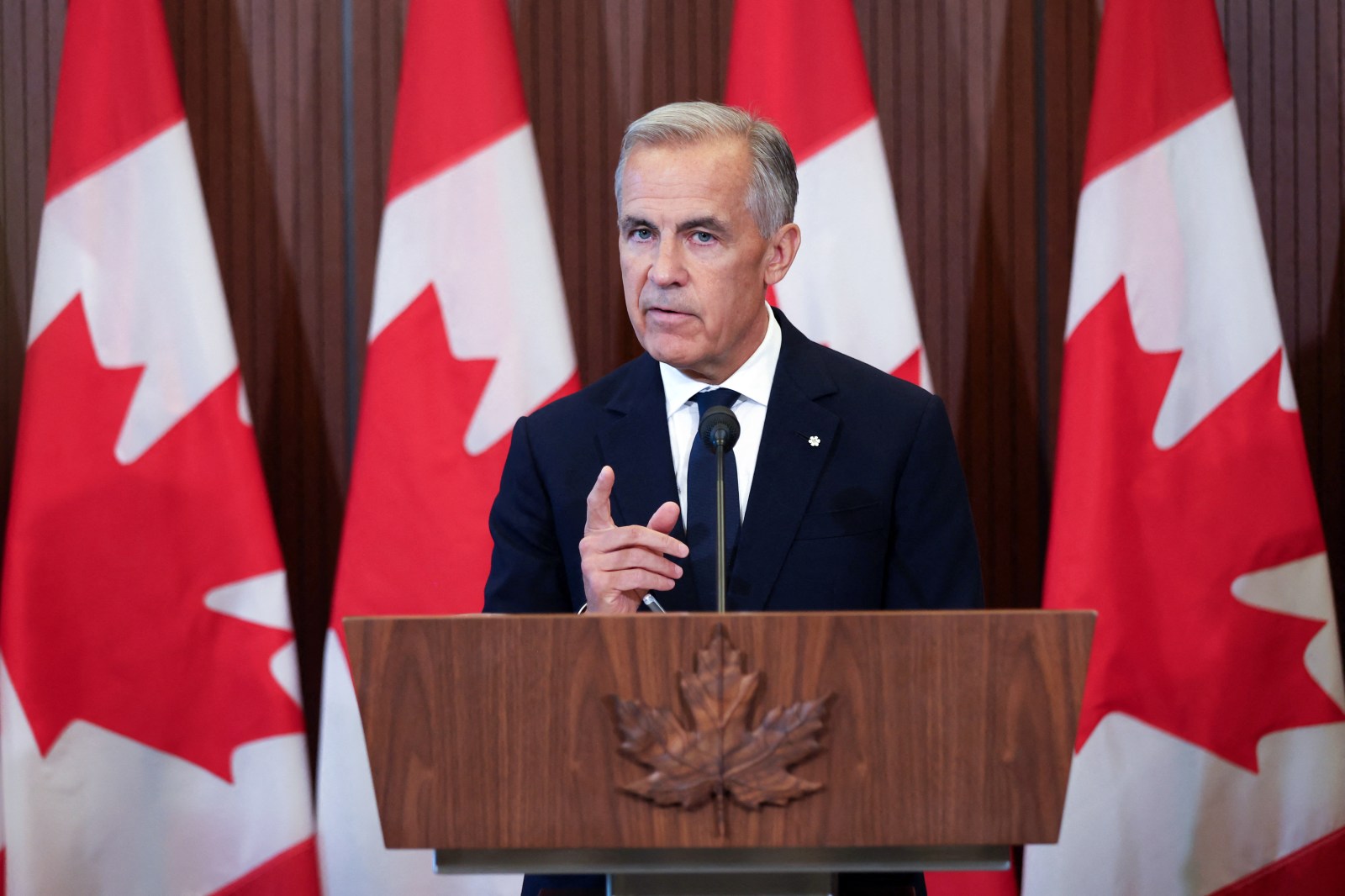
Canada’s retaliatory tariffs targeting U.S. goods took effect on Tuesday. This move jeopardizes billions in exports across multiple states, marking a new phase in the trade conflict between these long-time allies.
Trade negotiations between the U.S. and Canada collapsed in late August. Subsequently, President Donald Trump imposed 50% tariffs on $20 billion worth of Canadian imports. This is in addition to existing 25% tariffs on Canadian vehicles, metals, and lumber.
Prime Minister Mark Carney vowed a response in kind, implementing tariffs of 15% to 50% on $27.6 billion of U.S. imports. These duties impact a wide range of products, including dairy, agricultural equipment, and electronics.
Impact on U.S. States
The Canadian Chamber of Commerce highlighted the strong economic ties, stating that $1.3 trillion in bilateral trade and $2 trillion in investments promote prosperity and security. The Chamber notes that each U.S. state has distinct links with Canada. In 2025, Canada was the primary export destination for 26 states.
States near the Canadian border see significant trading activity. Illinois, for example, exported $75.9 billion worth of goods to Canada in 2025, mostly energy resources and raw materials. Texas, despite its distance, ranks second, trading $69 billion in goods, largely vehicles.
For 15 states, energy resources and raw materials are the chief exports. Machinery, electrical products, and chemicals follow in importance.
Canada’s Risk in the Trade Standoff
Lawmakers from both parties express concern over escalating trade tensions. Republican Susan Collins criticized Trump’s tariffs as a mistake. A Newsweek analysis indicated potential greater harm to Canadian consumers in a retaliatory trade scenario, given the U.S.’s larger economic scale and self-sufficiency.
Yet, political vulnerabilities may play a more crucial role. Polls showed 76% of Canadians support ending trade talks with the U.S., with 62% backing Carney’s counter-tariffs. In contrast, Trump lacks similar domestic support.
Karl Schamotta from Corpay suggests Carney might anticipate the U.S. midterms weakening Trump’s tariff stance, paving the way for an agreement.
Midterm Election Implications
Carney’s tariffs could significantly affect states key to midterm elections. Wisconsin cheese and Maine seafood are among the targeted exports, creating concern in those states. Political consultant Whit Ayres noted that Michigan and Maine might be particularly impacted.
Ayres, from North Star Opinion Research, pointed out that these trade tensions could influence other states like Texas and California, though inflation and growth concerns might overshadow trade issues.
Reuters/Ipsos polling revealed that 46% of Americans fault the U.S. for the dispute, with 57% opposing further tariffs. Nearly four times more people (40% vs. 4%) believe that the latest tariffs will negatively impact their finances.
Despite these concerns, Trump is applying pressure. He recently threatened Canadian aircraft maker Bombardier, insisting they relocate manufacturing to avoid sales bans in the U.S. Republican Senator Jerry Moran of Kansas, where Bombardier has a headquarters, cautioned against this.
The International Association of Machinists and Aerospace Workers (IAM) criticized efforts to block Bombardier sales, noting it jeopardizes thousands of skilled jobs in both countries reliant on the aerospace supply chain.