Impact of Immigration Policies on Children’s Health and Families
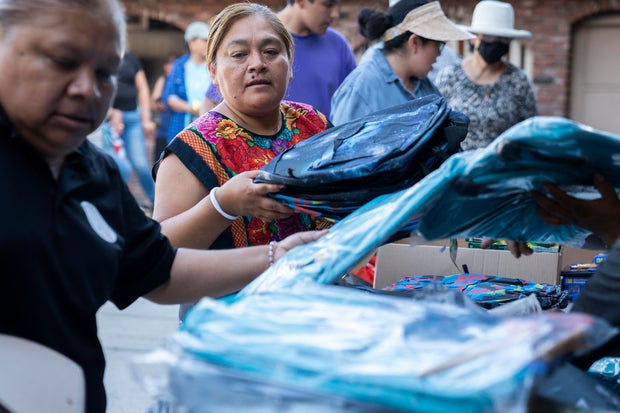
A young girl looked up at Norma Gómez with hope brimming in her eyes. ‘Are you the person who’s going to bring my mom back?’ she asked. Gómez, who had brought essential supplies for the girl and her baby brother, struggled to respond. The children’s parents had been arrested by immigration agents in Oxnard, leaving them in the care of a neighbor. Despite Gómez’s efforts, she couldn’t bring the parents back.
Norma Gómez manages projects for the Mixteco Indigena Community Organizing Project, a nonprofit supporting immigrant families affected by Immigration and Customs Enforcement actions. She has witnessed the disruptive impact of the Trump administration’s immigration policies, which have affected over 205,000 children whose parents were detained by April 2026.
Separation from parents causes psychological harm to children, destabilizing families and creating challenges with housing, food, and healthcare. Some children are left to fend for themselves. Even those whose parents aren’t detained suffer due to fear of deportation, leading to avoidance of schools, doctors, and social activities. They face increased bullying, emotional distress, and anxiety.
The issue worsens as the government reduces immigrants’ access to medical care, food, and benefits. The Trump administration’s policies have rolled back eligibility for immigrants, causing many to refrain from enrolling in health and nutrition programs due to fear of enforcement.
Wendy Cervantes from the Center for Law and Social Policy expressed concern over the long-term developmental harm these stresses impose. Children’s ability to perform well in school and their overall health are at risk.
Trump’s Immigration Crackdown
Since taking office, President Trump prioritized tightening immigration enforcement, affecting immigrant families and their U.S. citizen children. On his inauguration day, he attempted to end birthright citizenship, although the Supreme Court blocked this move. His administration has allocated substantial funds to immigration enforcement, resulting in many parents of U.S. citizen children being detained.
Despite claims that this approach frees up resources and eliminates crime, many studies indicate these measures harm U.S. workers. The administration’s views on denying birthright citizenship and revoking protective statuses for many immigrants reflect a lack of concern for children’s long-term well-being and healthcare costs.
Recent policies have further restricted immigrant access to public benefits like health and food assistance programs. The introduction of new ‘public charge’ rules means lawfully present immigrants risk denial of green cards if they use public programs, influencing decisions to disenroll children from safety net healthcare options.
Psychological and Societal Impact
Separation from parents can trigger lifelong health issues for children, including anxiety and depression. It’s also costly; a 2024 study found that childhood trauma-related health issues cost $292 billion in healthcare spending in 2021 alone.
In Oxnard, Ana’s 13-year-old son, Emmanuel, becomes anxious when his father leaves for work. He fears for his father’s safety and worries about ICE appearing suddenly. This constant anxiety is common among children from immigrant families.
Health professionals report a significant rise in mental health concerns among these children, particularly anxiety. Some young people have even taken drastic measures, with reports of suicide among those unable to cope with their parents’ deportation.
Community organizations like the Grow Initiative GA receive numerous calls from parents seeking help for their children’s mental health. Many of these families struggle to afford therapy, having lost jobs and healthcare coverage due to enforcement raids and policy changes.
Community Support and Resilience
In the face of adversity, many children display resilience. They often take on adult responsibilities, like running errands and caring for siblings. Community groups, neighbors, and health providers are stepping up by providing essential resources and support, including food, therapy, and emergency childcare plans.
Experts and advocates urge for humane immigration policies to mitigate harm to children. Programs like the Family Case Management Program showed promise in supporting families while enforcing immigration laws. Although ended by the Trump administration, it demonstrated a successful model for keeping families intact.
Case managers like Mabel Alavez support families worried about separation, guiding them in planning for possible detentions. Growing up in an immigrant family herself, Alavez understands the struggles these children face. She acknowledges the profound impact of these policies on children’s future prospects.
KFF Health News, part of KFF, produces in-depth journalism on health issues and policy impacts, serving as an independent source of research and news.