Republicans Face Challenges in Midterm Elections
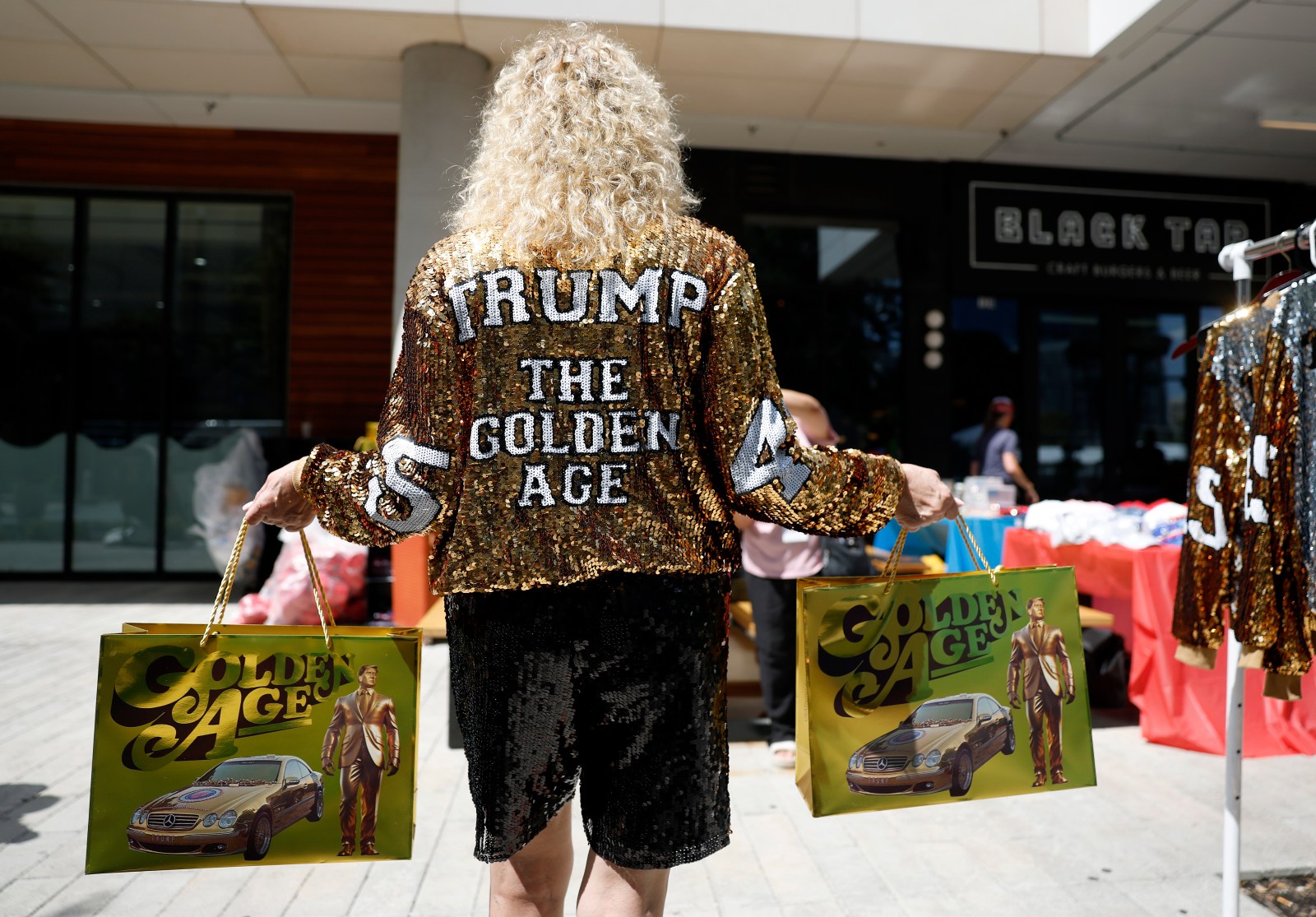
Texas has traditionally been a stronghold for Republicans. In 2024, President Donald Trump won the state by 14 points. Democrats haven’t secured a statewide victory there in over three decades. Despite this, the GOP is hosting an unprecedented midterm election party convention at the American Airlines Center in Dallas, amid concerns about potential defeats in November.
The state of Texas itself presents challenges. The Senate race between Republican Ken Paxton and Democrat James Talarico is now deemed a toss-up by the Cook Political Report. Additionally, Governor Greg Abbott faces tougher competition than anticipated just months ago.
The convention aims to generate support in a key Republican region, yet relies heavily on Donald Trump’s influence—a factor that has also contributed to the necessity of such an event.
“The problem is,” Trump told his supporters, “when I’m not on the ballot, my people don’t come to vote for other Republicans.”
The RNC describes the Dallas event as a showcase for its candidates and policies. However, instead of nominating candidates or approving a platform, the convention is more of a gathering centered around Trump, who will deliver one of the keynote speeches alongside Vice President JD Vance. Convention attendees can purchase merchandise reminiscent of a 2024 Trump rally.
Trump’s strategy is bold given his declining approval ratings, which started at 47% and have dropped to 33% according to Ipsos polling. Among independents, there has been a 20-point decline from 42% to 22%. Registered voters currently prefer Democratic congressional candidates over Republicans by 43% to 38%. Concerns about the rising cost of living, a priority for voters, also pose a challenge. 70% disapprove of Trump’s handling of the issue.
Despite low approval ratings among Democrats and independents, Trump maintains significant influence within the Republican base, with 82% approving of his presidency. Midterms are more about voter turnout than popularity.
Pew Research Center polling indicates potential voter apathy. Among those who disapprove of Trump but not strongly, 31% would still support a Republican House candidate while another 31% would choose a Democrat. 28% remain undecided, and 10% prefer other candidates.
Pew also found 59% of Americans unfavorably viewed the Democratic Party, similar to the 58% who disliked Republicans. Over 25% disliked both parties, indicating an electorate that may refrain from voting.
The GOP is relying on Trump’s appeal to counter voter apathy. While he mobilizes Republican voters, Trump’s presence might also remind independents of their dissatisfaction or motivate Democrats to engage in otherwise neglected races.
This week’s RNC convention represents a strategic gamble: hoping that Trump can spur more voter turnout than dissuade. The success of this approach will soon be evident. However, the long-term challenge remains. The GOP has spent years building its plans around Trump’s influence, but he is 80 years old. By 2030, he will no longer be the central figure in midterms. How will the party motivate voters once Trump is no longer the focal point?