Rhode Island’s Democratic Primary Shakes Up Political Landscape
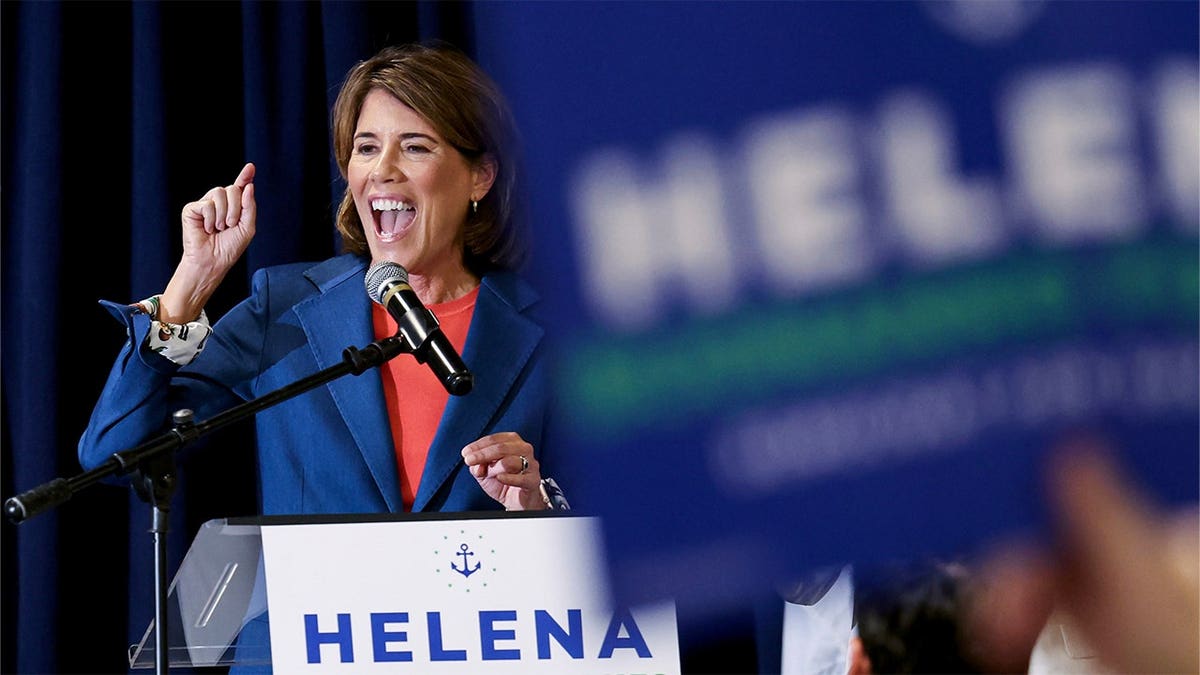
Rhode Island Governor Dan McKee experienced a significant setback on Wednesday as he lost the Democratic primary to businesswoman Helena Foulkes. This makes him the first incumbent governor since 2018 to be denied his party’s nomination.
Foulkes defeated McKee in a rematch of their tightly contested 2022 primary, where McKee narrowly won by a small margin. Foulkes, who previously held executive roles at CVS and currently serves on the Costco board, leveraged her business background to connect with voters.
McKee assumed the governorship in 2021 after Gina Raimondo left to join the Biden administration as Commerce Secretary. He later won his first full term in 2022 but faced stiff competition, including from Foulkes. His recent primary loss adds to a list of incumbents ousted in the 2026 primary season.
The defeat marks the demise of McKee’s political momentum and showcases a shift in political tendencies within Rhode Island.
The last sitting governor to lose a primary was Kansas Republican Jeff Colyer in 2018, who lost to Kris Kobach, a Trump-backed candidate, by a very narrow margin of fewer than 400 votes.
Foulkes’s campaign prominently criticized McKee’s record, especially his handling of the Washington Bridge closure due to structural concerns. The bridge, closed abruptly in December 2023, remains under reconstruction, impacting traffic and local businesses.
McKee countered by targeting Foulkes’s corporate history, pointing to her leadership in CVS’s controversial handling of prescription opioids. Despite these attacks, Foulkes’s private sector experience resonated with voters, leading to her victory.
As Foulkes advances to the general election, she is seen as a formidable contender against the Republican primary winner, who will be either Aaron Guckian, the GOP’s 2022 nominee for lieutenant governor, or retired executive Elaine Pelino.
The results set the stage for a competitive November election in Rhode Island, reflecting broader shifts in political dynamics nationally.