Political Lawfare in Albania: A Detained Mayor and Its Wider Implications
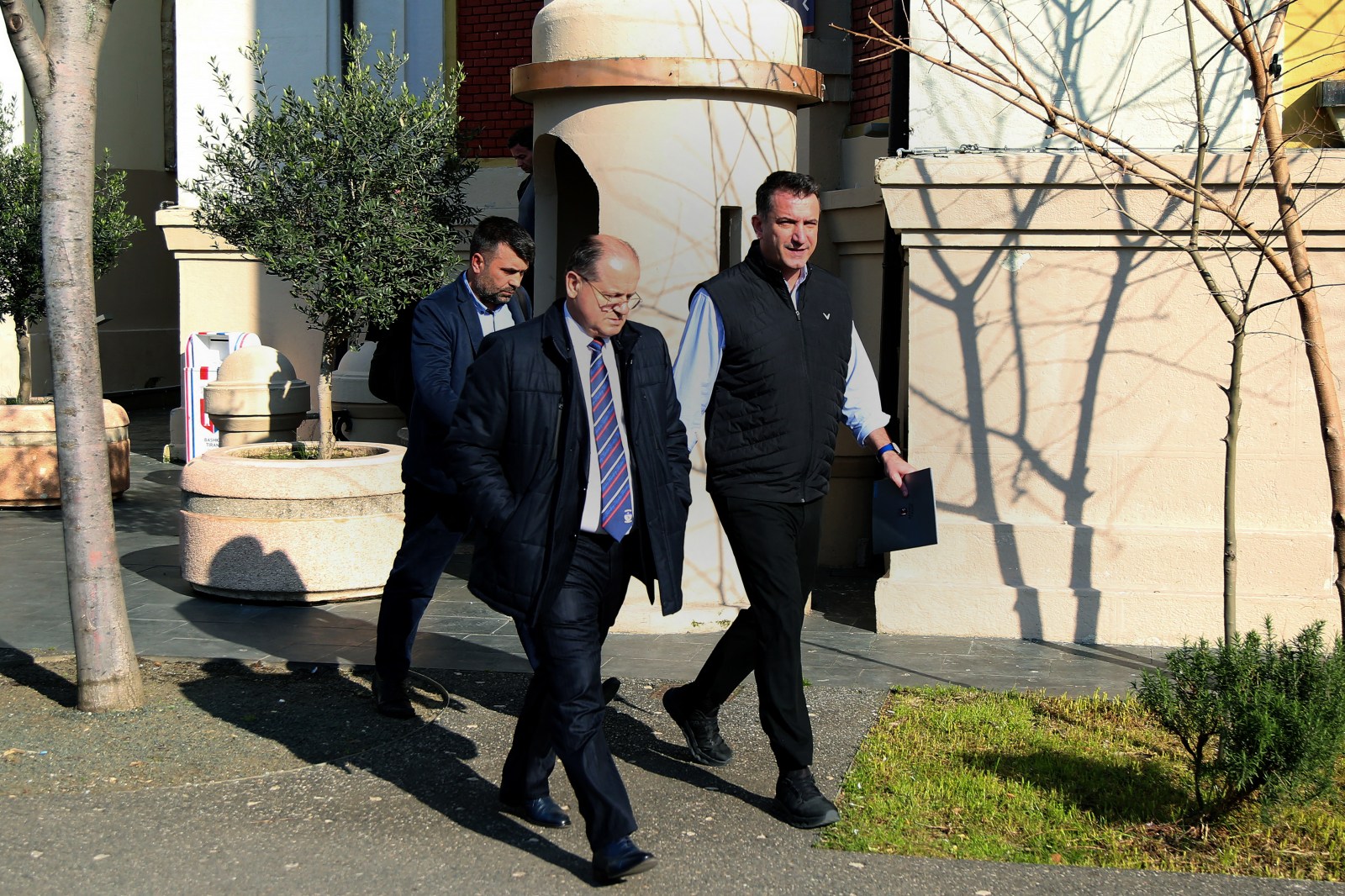
In early 2025, Albanian authorities arrested Erion Veliaj, the mayor of Tirana. Eighteen months on, he remains imprisoned without a conviction. His detention sees continuous renewal as Albanian courts debate its legality. This situation leaves Albania’s capital without the elected leader chosen by its people.
Americans refer to this situation as lawfare—the strategic use of the legal system to undermine political adversaries. While not solely an American issue, Albania’s case stands out internationally.
Albania’s Unique Situation
The outstanding feature of this case lies in who is behind it. The prosecutors working to maintain Veliaj’s detention are from the Special Structure against Corruption and Organized Crime (SPAK). Established in 2016 with support from the U.S. and Europe, SPAK aimed to be the foundation of Albania’s judicial reform.
Corruption had been entrenched in Albanian public life, allowing criminal networks to thrive amid weak institutions. The reform’s goal was clear: a robust justice system would lead to less corruption, increased public trust, more investments, and quicker integration into the European Union. Ironically, now SPAK faces tough scrutiny regarding its respect for the rule of law.
Unintended Consequences
The results of the reform are difficult to defend. Representative Keith Self from Texas highlights that the judicial backlog in Albania has ballooned from 16,000 to approximately 200,000 cases. Citizens wait up to 15 years for verdicts. Over half of Albania’s prison population awaits trial, among the highest detention rates in Europe. The European Convention on Human Rights mandates pretrial detention as an exception, requiring specific justification such as flight risk or potential evidence tampering. In Albania, it has become routine.
The Council of Europe’s Venice Commission reports that pretrial detention leading to automatic mayoral suspension or replacement undermines the presumption of innocence and political diversity, stripping citizens of their selected representation.
Prosecutors must pursue credible misconduct evidence, even within city halls, but must also adhere to legal standards. Holding the mayor without a verdict for extended periods compromises the integrity of the anti-corruption campaign. Albania’s Constitutional Court has ruled in the mayor’s favor twice, recognizing his elected mandate and questioning the justification of his ongoing detention.
Global Reflections on Lawfare
This scenario resonates globally. From my extensive experience working with President Donald Trump, I have observed similar strategies attempted in U.S. politics. Around the world, similar narratives unfold. In Israel, debates center around the prosecution of Benjamin Netanyahu. Argentina questions investigations involving President Javier Milei. France speculated about Marine Le Pen’s eligibility to run for president, while Brazil scrutinated Jair Bolsonaro’s imprisonment. Although each case varies, the recurring tactic of leveraging criminal charges in political battles is concerning.
The Western focus on Albania is significant; it underscores the role of SPAK, which was backed by international support. When a justice system detains an elected official for months without conviction, it inadvertently supports criticisms of the West’s selective application of rule of law principles.
Economic Ramifications
The implications are economic as well as political. My professional interests recently led me to the Balkans—examining its potential as a business investment region. Albania has significant economic potential, recognized in the State Department’s 2025 investment climate report. However, issues such as judicial corruption, weak contract enforcement, and unstable regulations deter investors.
Business executives may not regularly track Albanian politics, but news of a mayor detained for over a year without trial can easily influence investment decisions, redirecting partnerships and expansions to more stable environments. The officials enacting detention orders may not feel the impact, but ordinary Albanians suffer in the form of missing job opportunities and wages.
Albania does not have to choose between combating corruption and maintaining the rule of law. Successful countries achieve both, knowing that each supports the other. A decade back, Albania aimed to eradicate unchecked political power. The ongoing detention of Tirana’s mayor suggests this power has simply shifted locations. Albania must focus on completing the reforms by ensuring that even anti-corruption leaders adhere to the law.
Jason D. Greenblatt served as the White House Middle East envoy in the first Trump administration. He authored In the Path of Abraham: How Donald Trump Made Peace in the Middle East—and How to Stop Joe Biden From Unmaking It, founded Abraham Venture LLC, and publishes the Substack “How to Watch.” Follow him on X: @GreenblattJD
The views expressed are solely those of the author.