Proposed Legislation to Limit Insanity Defense After Clancy Trial
A new legislative proposal aims to make it more difficult to plead not guilty by reason of insanity in federal cases. This initiative follows the high-profile case of Lindsay Clancy, whose murder trial in Massachusetts ended in a mistrial, according to a Georgia lawmaker.
Legislation Overview
Republican Representative Clay Fuller announced plans to introduce federal legislation to curtail the use of the insanity defense in federal criminal cases. Fuller contends that mental illness should not exempt defendants from being held accountable. In a Facebook post, he stated, “I’m introducing federal legislation to limit the insanity defense in federal crimes.” He emphasized the national attention on the Clancy trial, calling it a “five-week, nationally televised tragedy.”
Details of the Clancy Trial
The Clancy trial lasted five weeks, involving testimony from numerous witnesses and the presentation of extensive evidence. The judge declared a mistrial after the jury couldn’t reach a unanimous verdict in seven days of deliberations.
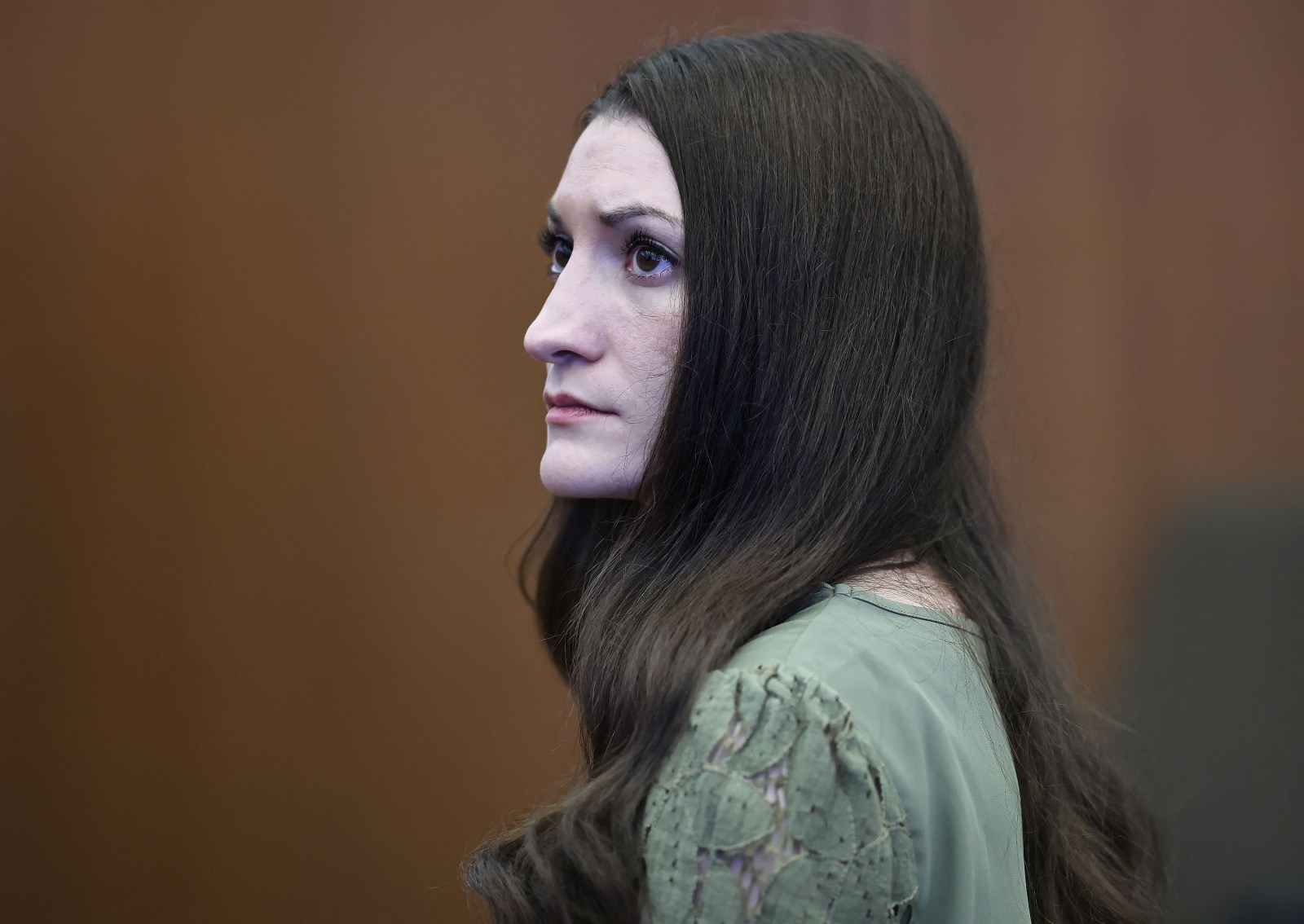
Lindsay Clancy, aged 36, faced charges of first-degree murder for the deaths of her children, Cora (5), Dawson (3), and Callan (8 months), in January 2023. Although she pleaded not guilty, her attorneys argued she suffered from severe postpartum psychosis during the events.
Fuller criticized the situation, saying, “It is crazy to me that ‘don’t kill your kids’ is now a partisan issue.” He expressed a commitment to introduce federal legislation akin to measures in some states, aiming to prevent the insanity defense from serving as a “get out of jail free” card.
States Restricting Insanity Defense
FindLaw.com notes four states—Idaho, Kansas, Montana, and Utah—do not acknowledge a traditional insanity defense. Kay Levine, a law professor at Emory University, told Newsweek that the insanity defense is often considered a due process right. She commented, “Fuller’s declaration feels mostly like grandstanding. Most insanity defense claims never succeed because it is a very hard defense to prove.”
Comparing Standards in Massachusetts and Federal Cases
In Massachusetts, the term used is “lack of criminal responsibility.” Defendants qualify if a mental disease or defect prevents them from understanding the wrongfulness of their actions or conforming to the law. The burden lies on the commonwealth to prove criminal responsibility beyond a reasonable doubt.
Federally, under 18 U.S.C. § 17, defendants must demonstrate with clear and convincing evidence that a severe mental disease or defect impeded their ability to understand their acts’ nature and quality or wrongfulness.
Fuller’s proposed legislation would not have impacted Clancy’s case, which fell under Massachusetts state law.
Next Steps in the Clancy Case
The jury’s notes indicated an 11-1 split favoring acquittal when the mistrial was declared. Clancy faced a potential life sentence if convicted. A not guilty verdict by reason of insanity might have led to her commitment to a psychiatric facility.
The prosecution must now decide whether to retry Clancy, dismiss the case, or seek an alternate resolution. Judge William Sullivan has scheduled a hearing for September 29, where Clancy’s attorney, Kevin Reddington, plans to request dismissal on double-jeopardy grounds.