The Hidden Threat of Insect Stings: A Mother’s Experience
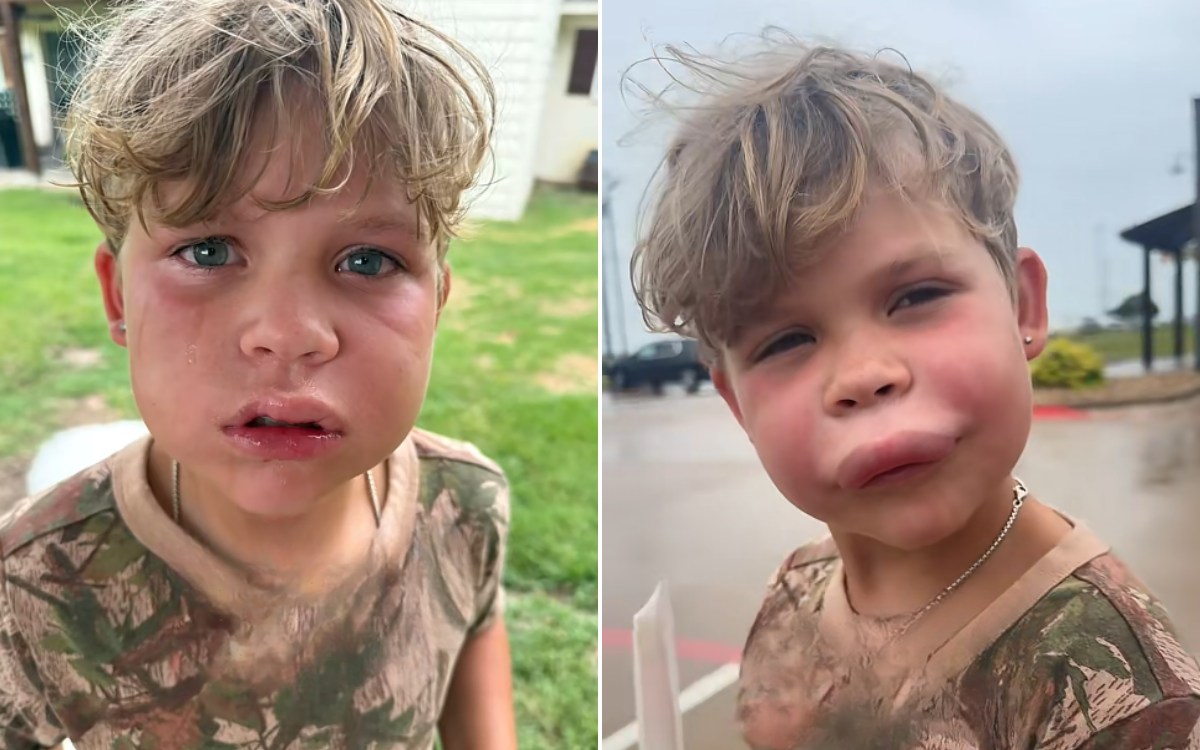
Bailey Cary’s son, Oliver, faced an unexpected allergic reaction after a wasp sting. Initially, Oliver shrugged it off, believing he disturbed a nest or brushed against a tree during his return from fishing near a local dock.
Cary, preparing to leave for an appointment, responded quickly to Oliver’s report of the sting by providing Benadryl and an ice pack. Like many Americans, Cary assumed this would suffice, as stings from bees, wasps, or hornets are common but usually manageable.
I was about to leave for an appointment when he rushed in saying a wasp had stung him. I gave him Benadryl and an ice pack.
However, Oliver’s experience took a different turn. Cary observed that despite the medication, his face began swelling unusually fast. Oliver sensed the developing issue, signaling that something indeed felt off.
Oliver was among the small group of people who experience significant reactions to such stings. The Centers for Disease Control and Prevention (CDC) estimates that 0.5% to 3% of U.S. adults risk systemic allergic reactions from stinging insects, and around 10% encounter large local reactions, marked by major swelling. Severe systemic reactions could include symptoms like hives, breathing difficulties, low blood pressure, or anaphylaxis, affecting about 0.3% to 3% of adults.
Despite noticing Oliver’s exaggerated swelling, Cary maintained composure, resisting the impulse to panic.
His lip was huge at this point, but I didn’t want to make him panic.
Cary managed to get Oliver to urgent care where he received a steroid shot, aiding his recovery. The physician recommended further testing with an allergist.
This episode was a first for Oliver, as Cary noted he had not previously shown signs of allergies. Nonetheless, Cary’s prompt actions ensured Oliver remained safe from escalating danger.
The CDC reported 788 deaths from hornet, wasp, and bee stings between 2011 and 2021, averaging 72 deaths annually in the U.S., primarily due to severe allergic reactions rather than venom toxicity.
Cary now advocates for increased parental alertness towards potential hidden allergies.
I hope I’ve helped other parents become more aware of the dangers of potential unknown allergies.
Initially dismissive when Oliver received his sting, Cary now fully comprehends the serious implications stings pose, particularly to individuals with unknown allergies.