Concerns Over Nuclear Waste Storage at San Onofre Amid Coastal Erosion
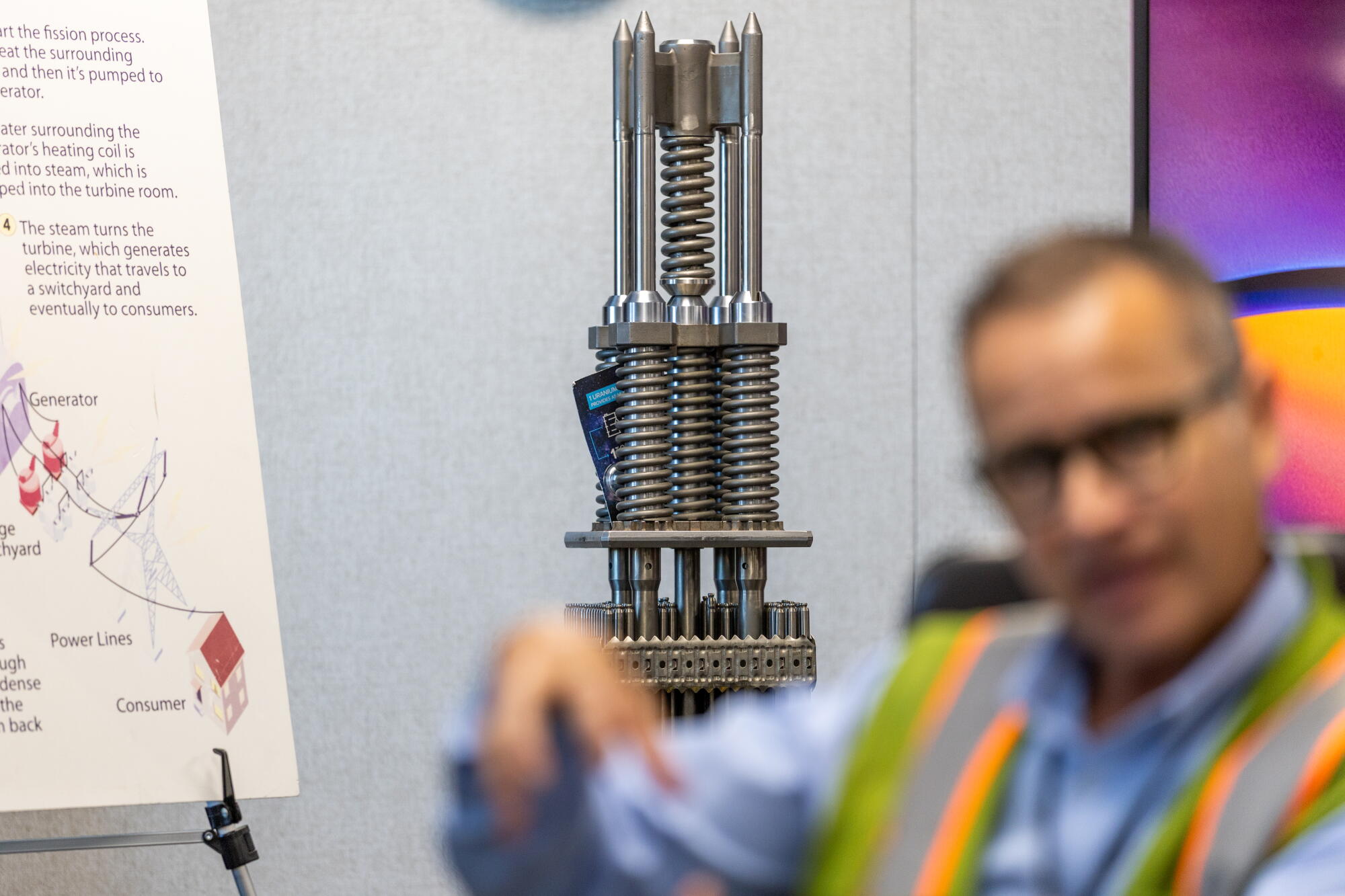
As intense waves and flooding recently hammered parts of the Southern California coastline, oceanographer Kim McCoy focused on the nuclear waste stored in concrete near San Clemente at the closed San Onofre nuclear power plant. McCoy highlighted the risks of rising sea levels, storm waves, and El Niño, which could erode the walkway protecting the seawall close to the waste canisters, located just 100 feet away.
While experts agree the immediate risk of erosion damaging the storage system is low, Southern California Edison, the plant’s owner, committed to the California Coastal Commission to relocate the waste to a higher elevation if models indicate future issues. Although recent waves from Hurricane Marie stirred concerns about the long-term safety of the radioactive spent fuel, UC San Diego geology professor James Day emphasized the current safety but urged geological long-term planning.
Seen from I-5, the twin domes of San Onofre resemble an active facility, highlighted by flashing red lights amidst Marine Corps Base Camp Pendleton. However, beyond security checkpoints lies a demolition site, following the plant’s closure in 2013 due to scandal over faulty steam generators. Much of the mildly radioactive rubble has been moved to sites in Utah, Texas, and Arizona. The dismantling of the iconic reactor housing domes is set to begin next year, yet 3.6 million pounds of high-level waste remain on-site indefinitely.
The storage safety perspective varies. As Day pointed out at a symposium hosted by the Samuel Lawrence Foundation, San Onofre sits on seismically active and relatively young rocks—a location unsuitable for nuclear waste. Others note potential tsunamis and corrosive ocean air affecting steel canisters holding the waste. Manuel Camargo of San Onofre Nuclear Generating Station assured that the utility is monitoring canisters for cracks, test canisters for degradation, and expects the system to remain safe for decades.
Standing on the concrete pad holding the waste canisters, Camargo argued that even a maximum credible tsunami or earthquake would not breach the seawall. He referenced state data predicting the seawall’s endurance until 2050. While robust, the current storage solution poses financial challenges.
From 1982 to 2014, Edison customers contributed to a federal fund for a permanent storage site. However, plans for Yucca Mountain were abandoned due to local opposition. Utilities are now suing the government annually to recover storage costs, which taxpayers fund at $2 million daily. Camargo noted a lack of urgency to relocate the waste, given its current safety.
Amid this scenario, hopes rest on a new initiative by the Trump administration to create waste storage “campuses” in several states, offering funding for nuclear cycle development. States like Utah and Tennessee discussed hosting campuses with Edison, although previous efforts to establish facilities post-Yucca Mountain have failed.
Community engagement and transparency are central to this new plan, according to Tim Kowalchik from Utah’s Office of Energy Development. Despite optimism, opposition from groups like Heal Utah raises concerns about becoming a waste site. Meanwhile, Finland is advancing a permanent geological storage solution, burying fuel thousands of feet underground, with Sweden and Canada following suit.
Camargo and lawmakers remain hopeful that similar U.S. initiatives might remove San Onofre’s waste within 10 to 15 years. If not, by 2103, the utility might need to replace old canisters nearing their 100-year design life.