Friendly’s: A Journey from Ice Cream Shop to a Diminished Restaurant Chain
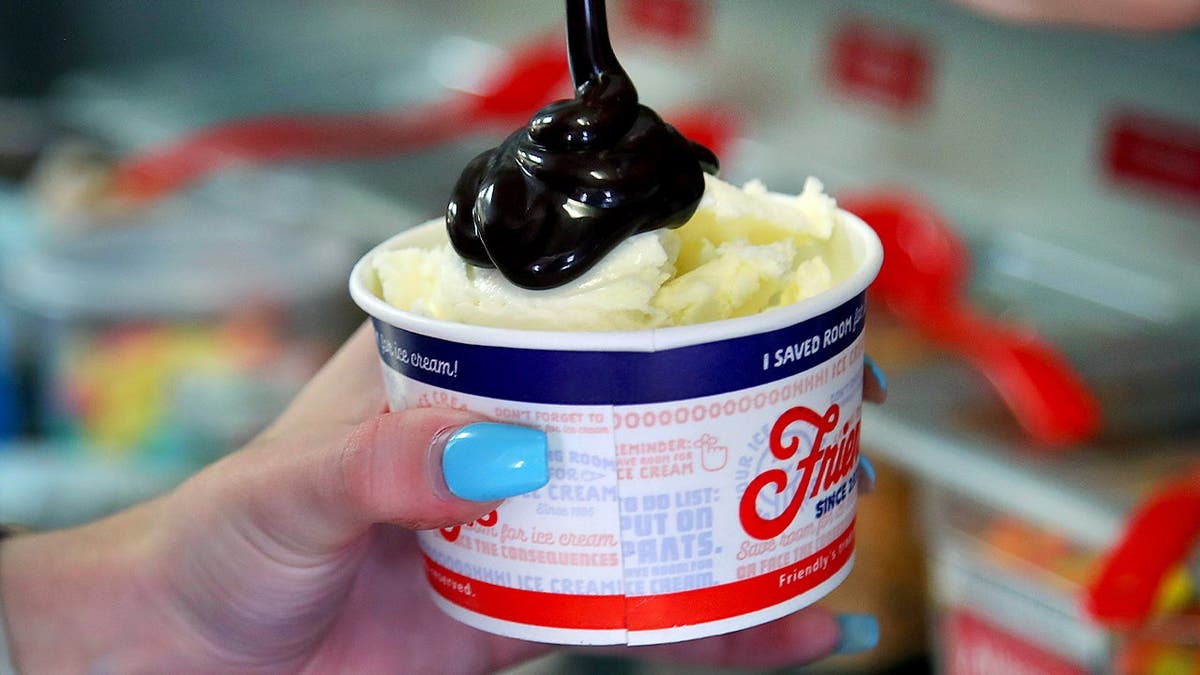
Friendly’s, a once-prominent casual dining chain, has seen its number of locations dwindle from around 850 restaurants to fewer than 100 across 11 states. Founded in Springfield, Massachusetts, in 1935, Friendly’s began as an ice-cream shop called ‘Friendly’, established by brothers Prestley and Curtis Blake during the Great Depression. At the time, these young entrepreneurs sold double-dip cones for just 5 cents.
In 1940, the brothers expanded to a second location and introduced food items like hamburgers. By 1951, Friendly’s had grown to 10 restaurants in Massachusetts and Connecticut, and by 1974, the chain counted 500 locations across the Northeast and Mid-Atlantic. The brand became known for its ice-cream desserts, burgers, and family-friendly atmosphere.
Throughout its 90 years of history, Friendly’s saw many changes, including menu innovations, supermarket ice cream distribution, and setting a Guinness World Record for the largest sundae in 1980. The apostrophe and ‘s’ were added to its name in 1989.
Friendly’s ownership changed several times and the company faced bankruptcy twice. Hershey’s acquired Friendly’s in 1979 before selling it to Tennessee Restaurant Company nine years later. In the mid-1990s, Friendly’s reached its peak with about 850 restaurants.
The first bankruptcy filing occurred in 2011, followed by a second in November 2020. As Friendly’s CEO George Michel noted in 2020, the restaurant chain had made strides to rejuvenate its brand amidst changing demographics, rising competition, and increased costs. However, the COVID-19 pandemic severely impacted revenue, leading to closures and limited dine-in capacity.
In 2021, Amici Partners Group acquired Friendly’s, aiming to revitalize the 130-store restaurant chain. The chain also expanded its offerings by selling branded ice cream in grocery stores.
Today, Friendly’s operates 87 locations, with 25% of them situated in Massachusetts. While some struggled to stay modern, Friendly’s brand retains ‘positive DNA’, said Barbara E. Kahn, a marketing professor at the University of Pennsylvania’s Wharton School. By leveraging its legacy and adapting to current tastes, Friendly’s could draw customers through nostalgia.
Kahn suggests adding non-meat items, healthy grains, and salads to attract new customers. Comparisons to brands like McDonald’s highlight how successful adaptation can maintain appeal over time.