Dengue Fever in Florida: First Death of 2026 Reported Amid Rising Cases
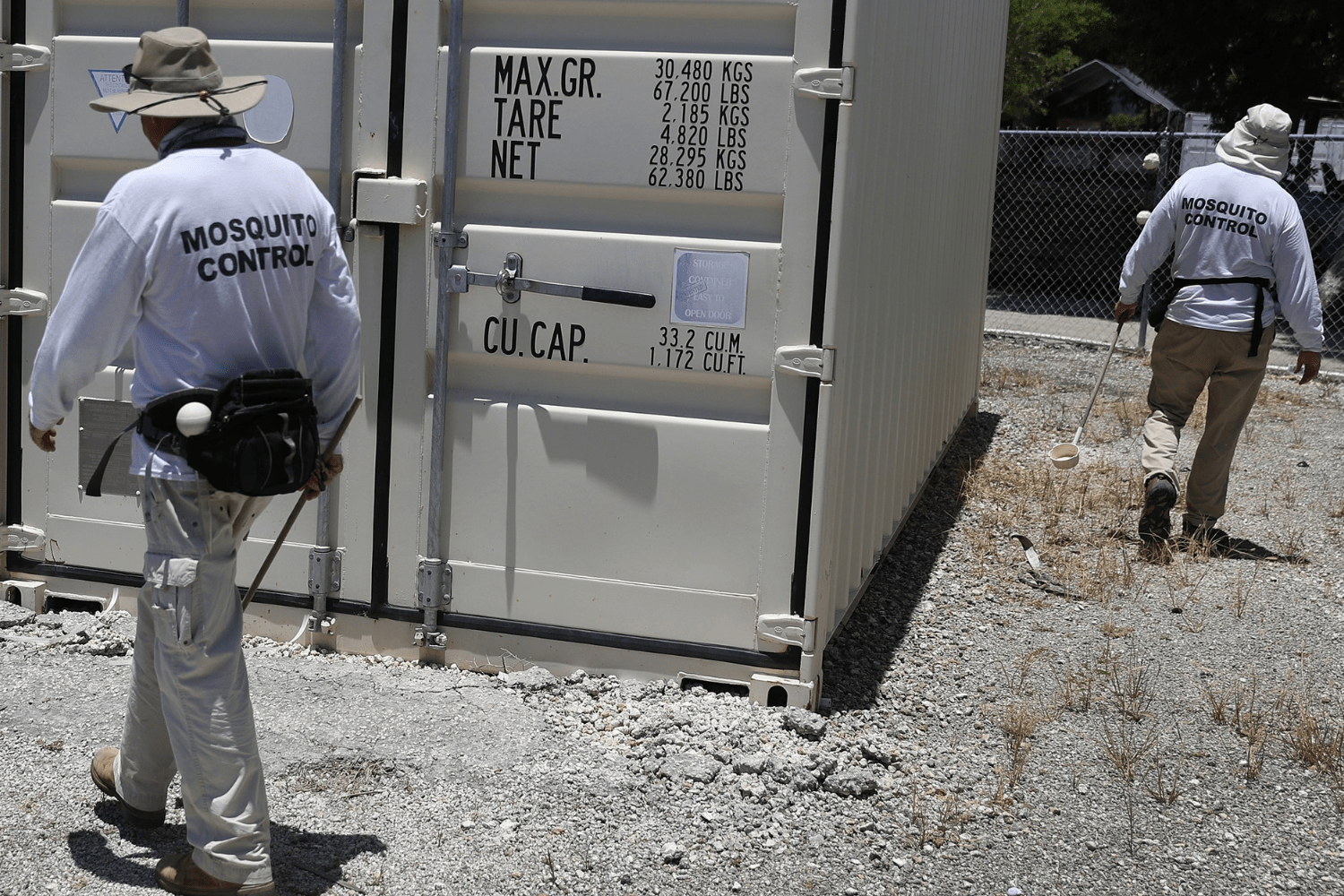
Florida confirms its first dengue fever-related death of 2026. The disease is spreading across the U.S., with nearly 2,000 cases reported this year. An 80-year-old woman in Hillsborough County died on September 4 after experiencing complications like septic shock and organ failure. This case highlights one of Florida’s most significant dengue outbreaks in recent history as health officials track increasing numbers in various states.
Understanding Dengue Fever
Dengue fever is transmitted by mosquitoes and often presents with flu-like symptoms such as fever, headache, and intense joint pain. While typically non-fatal, it can occasionally escalate to severe complications. These include shock, internal bleeding, and organ failure.
Dengue Fever in the United States
The CDC indicates that the widespread transmission risk on the U.S. mainland is low. Most cases arise from travelers returning from regions with higher dengue prevalence. There have been 1,927 cases reported in U.S. territories and states this year. Puerto Rico has documented 907 cases, and American Samoa has 437, as per CDC records. In Florida, 332 cases have been reported, the highest among U.S. states. More than 150 of these infections occurred locally, indicating in-state transmission.
Recognizing Dengue Symptoms
Dengue symptoms generally appear within two to seven days post mosquito bite. Common symptoms include fever, headache, pain behind the eyes, muscle pain, nausea, vomiting, and rash. Approximately 25% of infected individuals exhibit symptoms, most recovering in about a week. Severe dengue symptoms can involve extreme stomach pain, continuous vomiting, bleeding from the nose or gums, blood in vomit or stool, and extreme fatigue.
Current Outbreak Conditions
The Florida dengue outbreak is linked to warm-weather mosquitoes, as stated by the CDC. Recent warm climates and rainfall have contributed to increased mosquito populations, creating conditions favorable for outbreaks. Kristi Miley from the USF College of Public Health emphasizes that mosquitoes do not require large water bodies to breed. Water collected in small containers is sufficient for them.
Hillsborough County has intensified mosquito-control measures, including spraying and population monitoring. Surveillance indicates a potential decline in transmission, yet residents are advised to remain cautious and protect themselves from mosquito bites.
Contact Newsweek editors on this story: John Fitzpatrick and Emma Lee-Sang.