Controversy Surrounds Canada’s Tariff Decision on Chinese Electric Vehicles
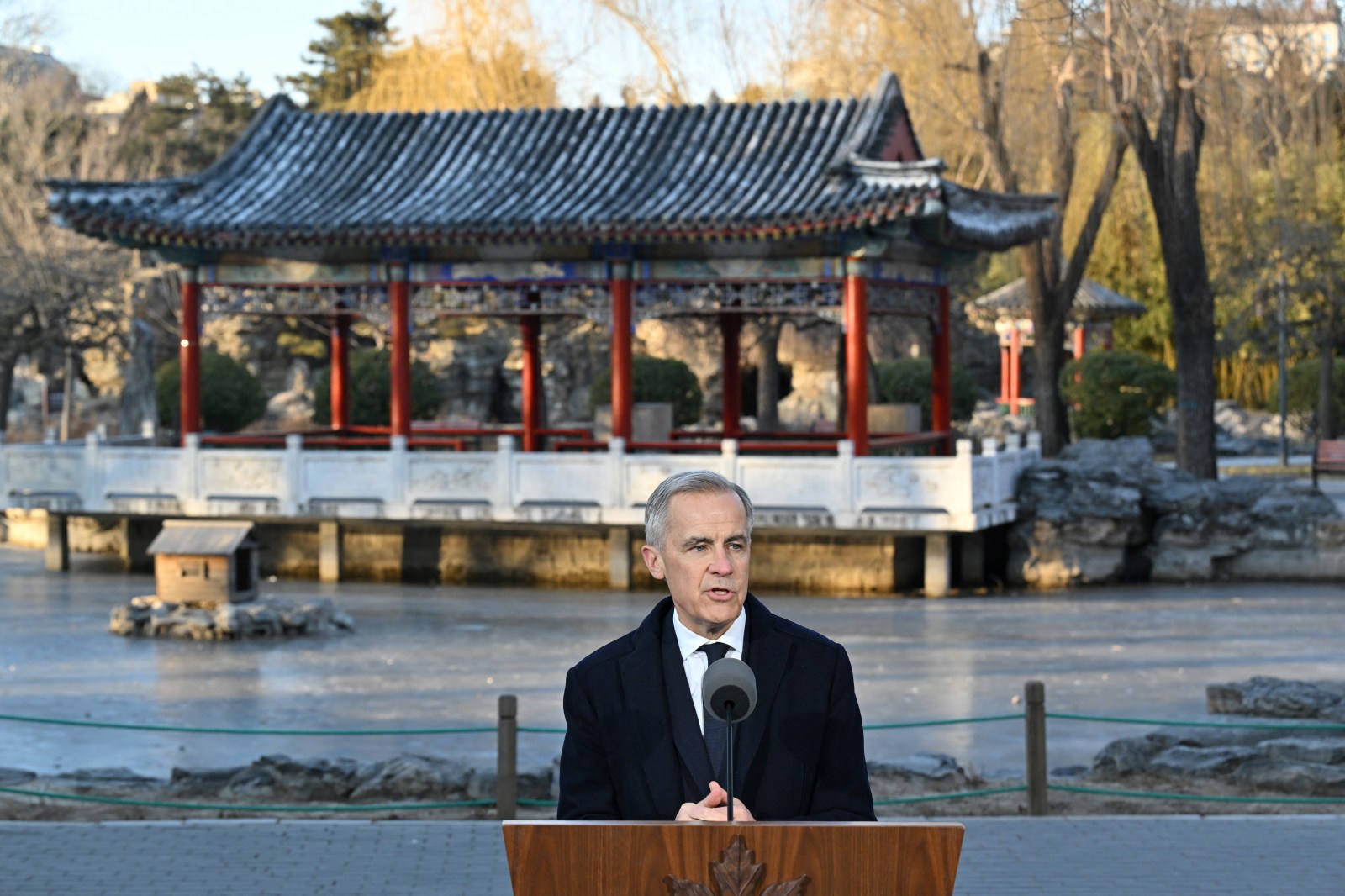
The Canadian government’s choice to significantly reduce tariffs on Chinese electric vehicles has sparked debate. This follows a dossier presented to Newsweek, suggesting a businessman with connections to China’s United Front system urged Ottawa to reconsider the levy. This proposal came days before Prime Minister Mark Carney reached an agreement with Beijing.
In January, Canada agreed to allow 49,000 Chinese-made electric vehicles into the country at a 6.1 percent tariff. This replaced a 100 percent surtax imposed in 2024 under former Prime Minister Justin Trudeau. This agreement, announced during Carney’s visit to China in mid-January, included tariff relief from China for Canadian agricultural exports like canola oil.
This move diverged from the United States, which continues to restrict Chinese electric vehicles. It heightened concerns about national security in North America regarding Chinese automotive technology.
A Canadian source provided the dossier, noting that a proposal document urging a structural rethink of Canada’s tariff on Chinese electric vehicles reached the Prime Minister’s Office and Parliament members shortly before Carney’s trip to Beijing. The dossier identifies the businessman as Shui Shousong, president of the Sino-Canada Entrepreneurs Association, also known as SinoCann. Shui reportedly held membership in a key United Front organization in China, the Chinese People’s Political Consultative Conference.
The United Front Work Department, a Chinese Communist Party agency, works to build influence among non-CCP groups and overseas communities. Western governments have increased their scrutiny of United Front-linked organizations due to concerns about advancing Beijing’s political and economic goals abroad.
The Canadian source, who wished to remain anonymous due to sensitive U.S.-Canada relations, described Shui as having significant United Front membership and activity. Shui hosted events attended by Canadian politicians and Chinese consular officials, where actions such as promoting ‘reunification’ with Taiwan were praised. In August, he launched a new Canada-China EV association and introduced a service center aimed at industrial cooperation between Canada and China, as per Victoria Media.
Shui is also the President of the Canada-China Business Council that hosted the launch event, attended by Canadian parliament members and Chinese consular officials. Newsweek’s attempts to get comments from Shui, SinoCann, and Chinese consulates did not receive immediate responses.
No one in Canadian media asked the obvious question of who had been putting their case to the Prime Minister’s Office beforehand, or on whose behalf,
said the source. They characterized the situation not as a covert operation but as a potential unexamined influence channel, highlighting that access was gained openly, with no required lobbying registration.
These claims come amid growing concern over Chinese electric vehicles in North American trade and security. Washington has barred Chinese EVs, warning about manufacturing and technological vulnerabilities. China’s EV industry, led by firms like BYD, has expanded internationally, raising alarms in places like Germany over industrial capacity and data security.
In early September, U.S. Transportation Secretary Sean P. Duffy expressed strong concern in a letter to Ford Motor Company CEO Jim Farley. The letter addressed Ford’s ties to Chinese firms, especially regarding battery technology from China’s CATL. Duffy criticized Ford for what he described as a troubling alignment with Chinese state-linked enterprises.
Ford dismissed this criticism, describing the letter as unfounded. The company stated it supports U.S. objectives to enhance American innovation and manufacturing, emphasizing its commitment to strategic independence.