Truckers Face Pressure from Rising Diesel Prices Amid Strike Rumors
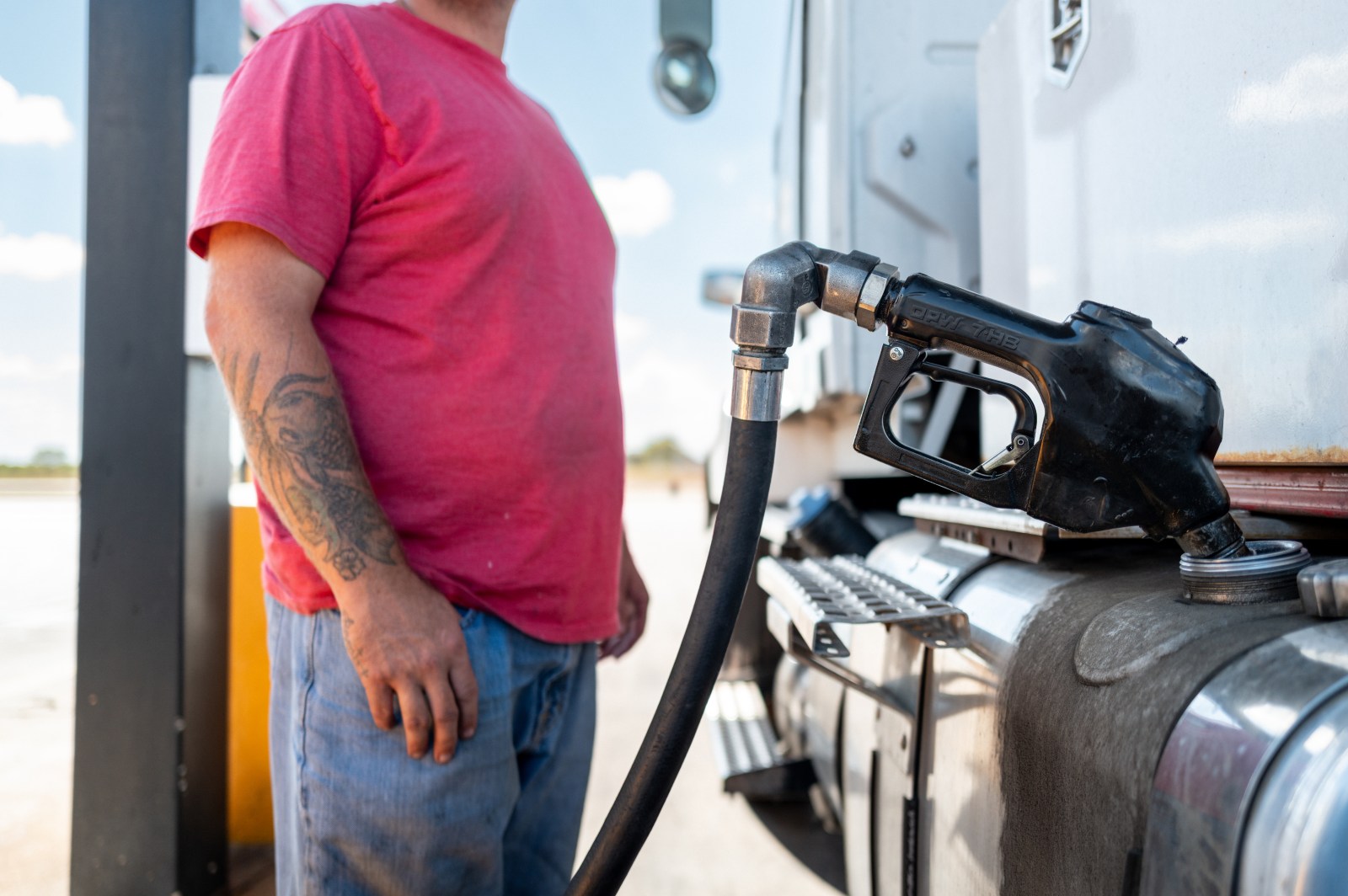
There is growing concern over the spread of claims that U.S. truckers are planning a nationwide strike on October 1 due to increasing diesel prices. Despite these rumors flourishing on social media, concrete evidence of a coordinated strike effort is lacking.
Diesel prices now stand at an unprecedented average of $6.51 per gallon. This sharp increase has led to the circulation of videos and AI-generated posters warning of potential disruptions in freight delivery and food shortages if a strike occurred. The Owner-Operator Independent Drivers Association (OOIDA) has acknowledged the ongoing discussions but attributes these to online chatter. They keep a close watch on the situation.
Given the current financial strain truckers face, the rapid dissemination of such claims might eventually lead to real-world actions. The pressure mounts as diesel prices surge, with some drivers finding it hard to afford to operate their trucks effectively.
The OOIDA emphasizes that fuel constitutes a major operational cost for owner-operators, those who own or lease their trucks and shoulder business expenses. They highlight that small business truckers represent over 90% of America’s trucking companies and feel the impact of price hikes the most.
The impact has been exacerbated for these operators, who cannot easily adjust rates in response to fuel price spikes like larger firms. As big oil companies report nearly doubled profits this year, escalating diesel costs have rapidly eroded the profit margins of many family-run trucking businesses.
Rising Diesel Costs and Industry Impact
According to the American Automobile Association (AAA), diesel prices have hit an all-time high, increasing from $5.58 a month ago to a current average of $6.51 per gallon. A year ago, this figure was around $3.70 per gallon.
The escalation in diesel prices is primarily attributed to the armed conflict involving Iran, initiated by former President Donald Trump on February 28. This event disrupted global oil supplies and transportation routes like the Strait of Hormuz, driving up both crude and refined fuel prices. Immediate relief remains unlikely, as ongoing disruptions continue to affect energy availability.
Social Media Claims and Truckers’ Responses
The strike rumor appears to have originated from a video by Instagram user red_pill_patriot_1776. The video features an unidentified man expressing truckers’ frustrations with high fuel prices and foreseeing a potential strike. This message quickly spread across social media platforms, accompanied by graphics and posters scheduling an October 1 strike.
While there is no substantial proof of a large-scale strike, several videos show truck drivers appealing to Trump for intervention. As noted by the Republicans against Trump X account, a truck driver publicly pleaded for action as diesel prices soared past $6 per gallon.
Identities of individuals in these videos and their affiliations with the trucking industry remain unverified, but their posts have attracted significant viewership.
Challenges for Modern-Day Strikes
Reflecting on past strikes, nearly 50 years ago American truckers protested similar fuel price surges during the 1979 Iranian Revolution. Back then, a more organized industry allowed for such collective actions, as the Teamsters Union represented over 60% of truck drivers.
The trucking sector today is vastly different. Deregulation since the late 1970s heightened competition and reduced unionized carriers’ dominance. Consequently, the Teamsters’ influence has waned, decreasing their representation significantly.
In 2025, independent contractors comprised a large portion of the industry, per the American Trucking Associations (ATA). With a fragmented landscape and fewer union members, nationwide coordination of action becomes extremely challenging.
Regardless of the strike’s fate, truckers continue to grapple with severe fuel cost pressures, hoping for relief amid current challenges.