A Call for Awareness Following Rare Diagnosis Impacting Career
Living with Ehlers-Danlos Syndrome
Elizabeth Lynch, a 28-year-old creative from Melbourne, Australia, lives with Ehlers-Danlos Syndrome (EDS). This genetic connective tissue disorder has affected her life significantly, causing chronic pain and joint problems.
Lynch, an artist, photographer, and graphic designer, relies heavily on using her hands for her work and hobbies. “Unfortunately, a lot of what I do depends on my hands and arms,” Lynch told Newsweek. Holding a camera, drawing, editing photos, and prolonged computer use have become painful activities.
Diagnosis of Thoracic Outlet Syndrome
In recent years, Lynch’s condition worsened. The pain in her neck, shoulder, and arm eventually developed into numbness, weakness, and swelling. Simple tasks, such as holding a pen or clicking a mouse, became difficult.
Lynch was diagnosed with vascular and neurogenic Thoracic Outlet Syndrome (TOS). This condition involves the compression of arteries and nerves between the neck and arm, affecting blood flow and aggravating nerves.
Neurogenic TOS can result from physical trauma, repetitive motion, or bone and muscle anomalies. Initial treatments often involve rehabilitation physiotherapy. Some cases may require surgical intervention.
Challenges and Treatments
Lynch attempted various treatments, including physiotherapy, strength training, and massage, but these often aggravated her symptoms. “Despite this, I was continuously encouraged to continue physical therapy, when in reality it was to my detriment,” she explains.
Her symptoms impacted her ability to perform daily activities like driving, cooking, washing her hair, or drawing. Photography became nearly impossible due to arm pain from holding a camera. Activities she once enjoyed, such as snowboarding and hiking, were no longer feasible.
Surgical Intervention and Continued Struggles
In December 2025, Lynch had surgery to remove her first rib and scalene muscles, along with decompression of the brachial plexus. This surgery addressed significant physical abnormalities but left her with ongoing nerve pain and weakness.
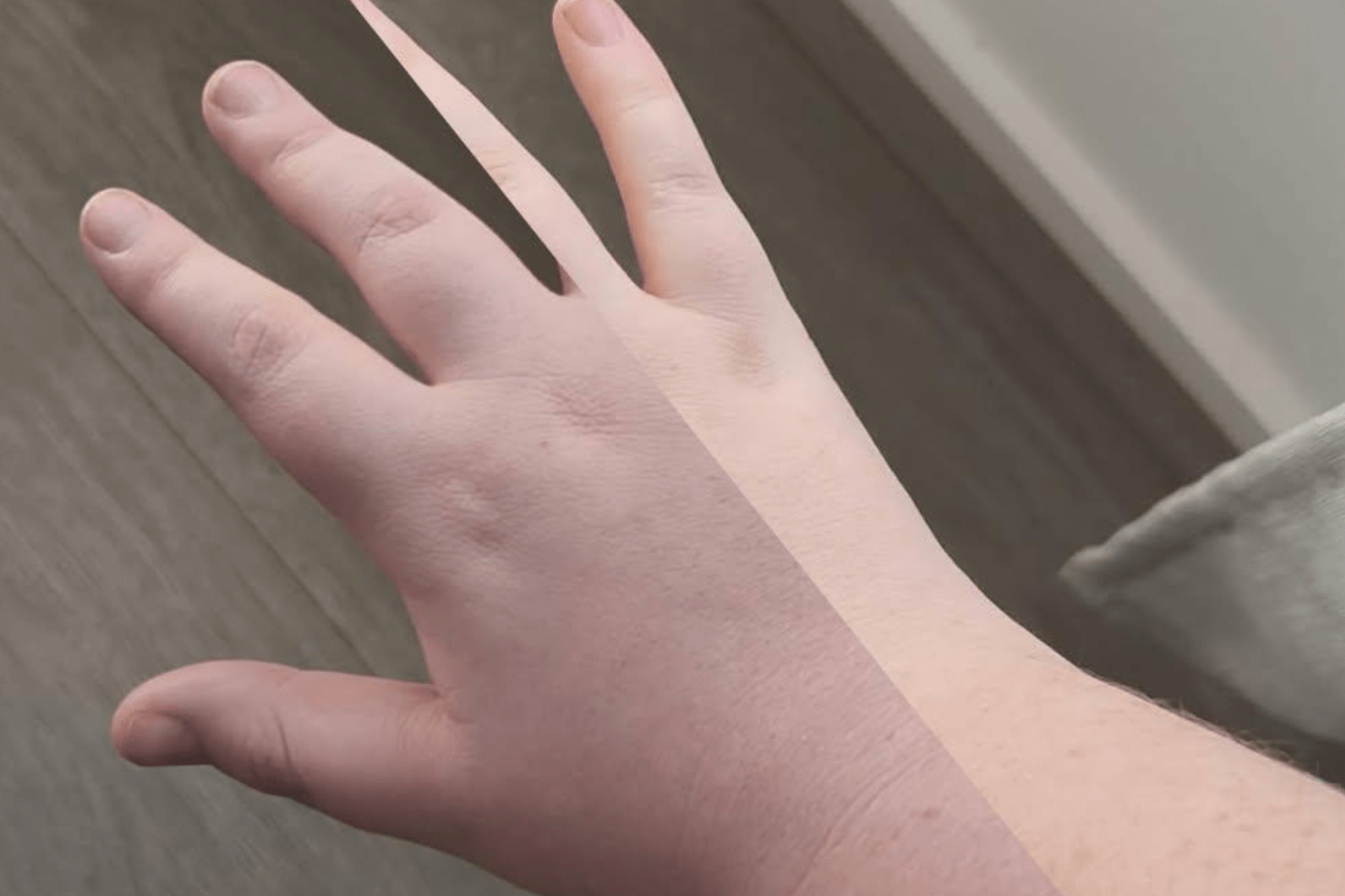
Lynch continues to advocate for awareness and shares her experiences online, highlighting struggles such as the color changes in her skin due to poor circulation.
Lynch stated, “Greater awareness can make a huge difference for those struggling to get a diagnosis for misunderstood symptoms.”
Hope for Recovery
Lynch hopes her story will raise awareness about TOS and EDS, urging healthcare professionals and others to be more informed about rare conditions. She is focused on protecting her damaged nerves and regaining function to return to her art and photography without constant pain.