Navigating Personal and Professional Journeys in Neuropsychology
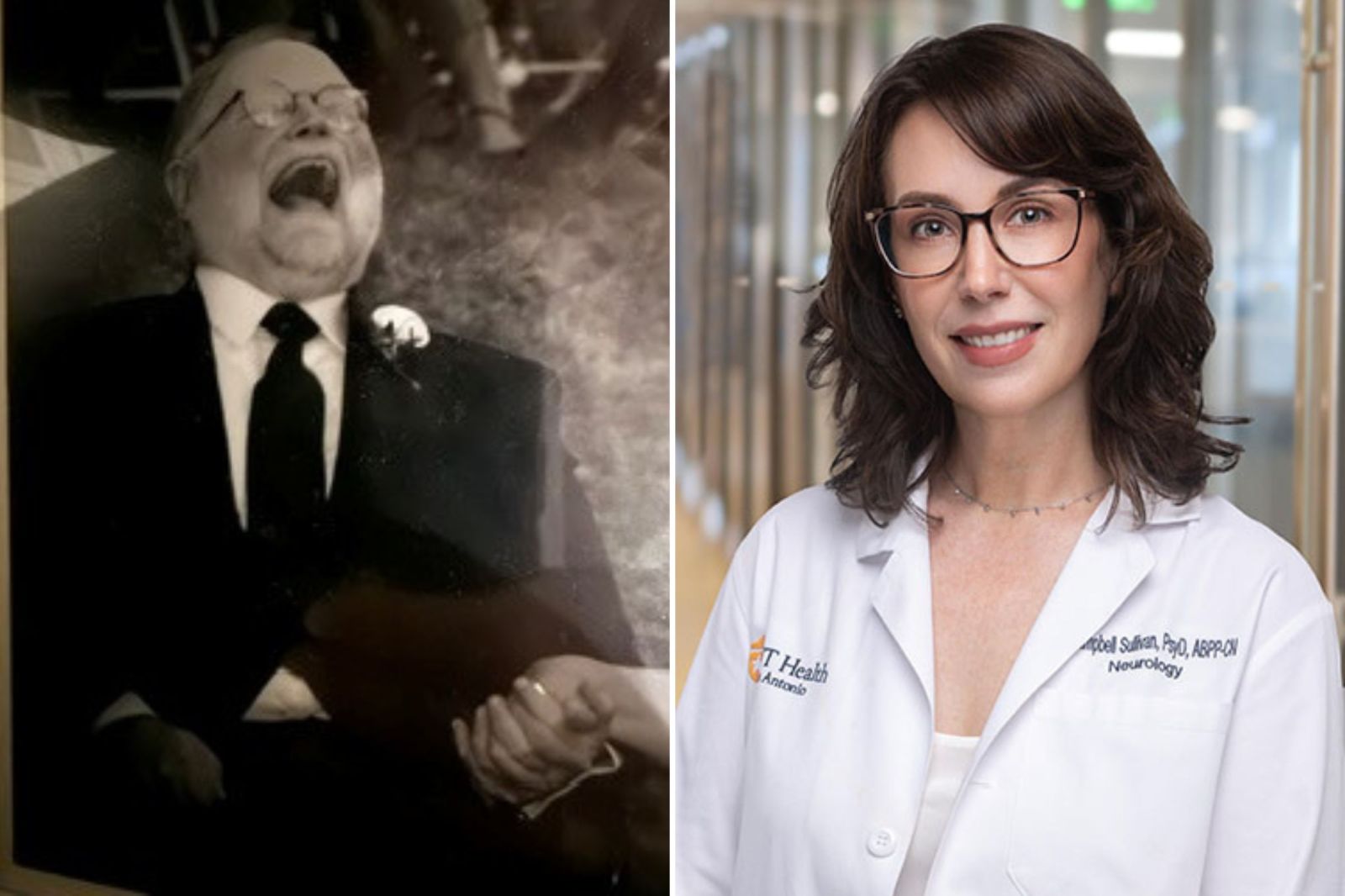
Growing up in Bellville, a small town in central Texas, I had no exposure to psychologists, let alone neuropsychologists who dealt with conditions such as dementia. My entry into the field was somewhat accidental. During my first master’s degree, I needed employment and began working as a psychometrist, administering neuropsychological tests. This turned out to be an appropriate career path.
I trained at the University of California, San Francisco, particularly at the Memory and Aging Center. This center was among the first globally to address frontotemporal dementias (FTD), a group of disorders that progressively affect the brain’s frontal and temporal lobes. The impact results in changes in thinking, behaviors, and certain movements. It was there that I realized my ability to work with patients who had strong personalities, possibly stemming from the colorful characters in my family. My father, raised genteel, enjoyed humor and being provocative. He proudly identified as a feminist and always emphasized my potential to achieve anything.
Discovering Changes in a Loved One
Around 2003, I observed mobility issues in my father, initially attributing them to complications from a back surgery. His condition progressed from a slight limp to using assistive devices, eventually becoming wheelchair-bound by 2009. Concurrently, behavioral changes emerged, marked by superficial conversations and juvenile humor. A memorable incident involved him licking his plate at a family dinner, an action that was uncharacteristic of him. As an only child, this period felt isolating, compounded by his declining judgment and financial decisions.
Despite my professional experience with FTD, at that time, awareness about the link between amyotrophic lateral sclerosis (ALS) and FTD was limited. I struggled to connect the symptoms I witnessed in him. He passed away in 2011, aged 65, while I was a fellow at Johns Hopkins School of Medicine. His illness directed my training focus towards atypical neurodegenerative diseases.
Addressing Misunderstandings in Neurodegenerative Diseases
Over the past decade, the clinic I work at has prioritized atypical cases, supporting patients and families. FTD and ALS are often misunderstood, even within medical circles. Patients may experience diverse changes in personality, judgment, language, and movement not always linked with memory loss. Consequently, families may endure prolonged uncertainty, wrestling with the implications of these conditions unaided.
Personal experience with my father’s illness made me sensitive to personality and behavior changes, and complex family dynamics. I could relate to the emotions of family members — confusion, frustration, and grief.
In 2021, my aunt experienced mobility problems, alongside judgments errors affecting her finances and health insurance status. We were fortunate to leverage a philanthropic fund for uninsured individuals at the Biggs Institute. She received a diagnosis of familial ALS-FTD related to a TARDBP gene variant, which is rare, affecting a small percentage of familial ALS cases. Her situation echoed many challenges faced by families dealing with similar diagnoses.
Sharing Difficult News
Confronting my aunt’s diagnosis reality meant navigating how to communicate it to her and her young daughters. She passed away earlier this year at 62. With no current cure for these diseases, I grappled with how the genetic component of her condition could affect me and my family.
In my current work, I engage more empathetically with families considering genetic testing for these conditions. I once questioned why anyone with the gene in their family wouldn’t get tested, but now understand the complexity of that decision. Encouraging participation in research can foster greater understanding of these conditions, largely reliant on patient and family contributions to studies. I was moved by my aunt and her daughters’ decision to donate her brain for research, instilling them with a sense of pride.
I now extend more explicit support to families affected by ALS and FTD, emphasizing the importance of organizations striving to aid these families. It’s critical for them to realize they don’t have to face these diseases alone.
A. Campbell Sullivan, 48, is a board-certified clinical neuropsychologist and an associate professor of neurology at UT Health San Antonio’s Glenn Biggs Institute for Alzheimer’s and Neurodegenerative Diseases. She also serves as the Clinical Core Director of the South Texas Alzheimer’s Disease Research Center and co-directs the South Texas Frontotemporal Dementia Program. Residing in San Antonio, Texas, she has three daughters aged between 6 and 17 and enjoys listening to podcasts in her free time.