Adjusting International Drug Prices for American Innovation
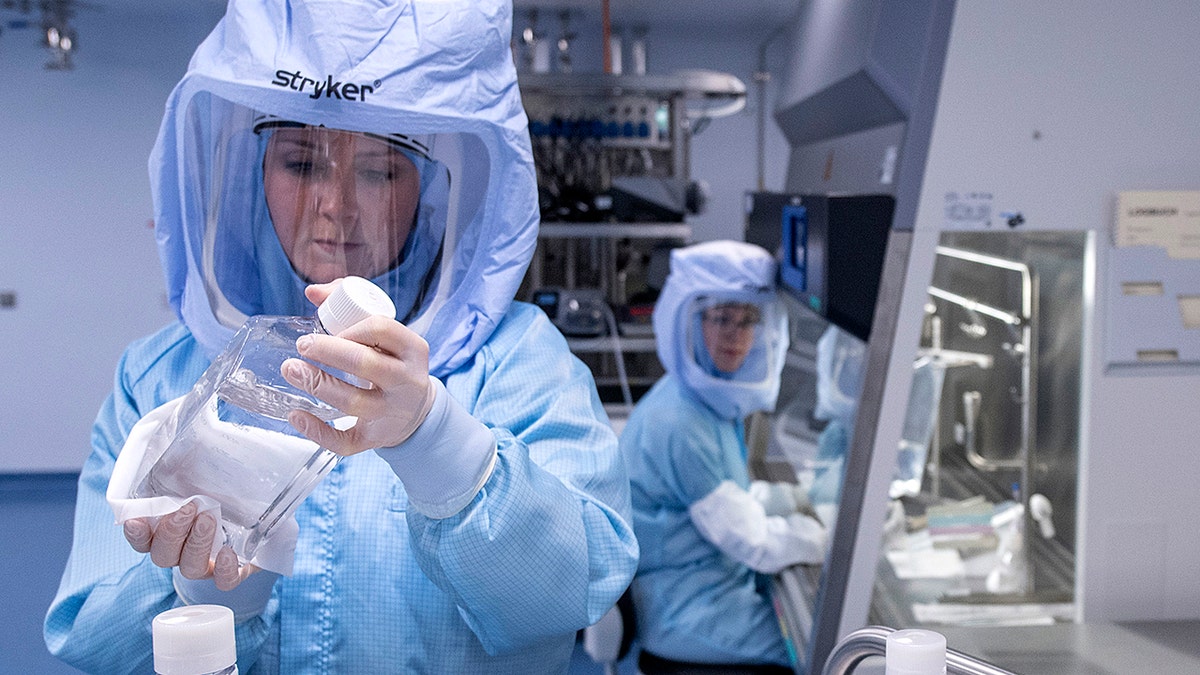
The Trump administration has recently secured nine pricing agreements with drug manufacturers aimed at reducing prescription medication costs for Americans. This move reflects President Trump’s commitment to lower drug prices by negotiating with companies individually without imposing broad mandates.
Focus on International Negotiations
While the efforts are commendable, the root cause of high drug prices requires attention: foreign countries benefiting from American drug innovation without contributing their fair share. Lasting price reductions can be achieved by focusing negotiation efforts overseas.
Foreign countries, particularly wealthy ones, have long suppressed what they pay for innovative medicines through price controls and reimbursement delays. These policies allow them to enjoy the benefits of new treatments while placing the burden on American patients who bear the costs of developing these drugs. Americans account for about three-quarters of pharmaceutical profits and more than half of global research and development spending.
Impacts of International Practices
U.S. leaders need to address this imbalance rather than solely pressuring drugmakers to lower U.S. prices. Tying U.S. drug prices to lower foreign prices, as some have proposed, risks reducing funding for research and development, slowing new treatments’ development, threatening jobs, and weakening American drugmakers’ global competitiveness.
Example: Britain’s Agreement
The Trump administration’s negotiation tactics offer solutions. Trump negotiated a deal requiring the UK to pay 25% more for new medicines. As Britain contributes more, America’s cost burden for drug development decreases.
Germany is another target for negotiation. The U.S. launched an investigation into Germany’s drug price controls, which could lead to fair pricing policies like those negotiated with Britain.
Broader Strategy
Applying this strategy to other wealthy nations, such as Japan, France, and Switzerland, which also pay less than fair value, would help recalibrate the global pharmaceutical revenue. An analysis suggests that if developed countries paid U.S. prices, revenue would increase by $254 billion, potentially fuelling a boom in research and development while creating jobs across the U.S.
Trump’s administration is poised to push trading partners to contribute more to pharmaceutical innovation costs. This focus will not only reduce prices for American patients but also sustain U.S. leadership in biomedical innovation.
Ambassador Jeffrey Gerrish, who served from 2018 to 2020, highlights the importance of trading partners paying their fair share to maintain U.S. biopharma leadership.