The Rise of Andy Beshear: A Potential Democratic Leader
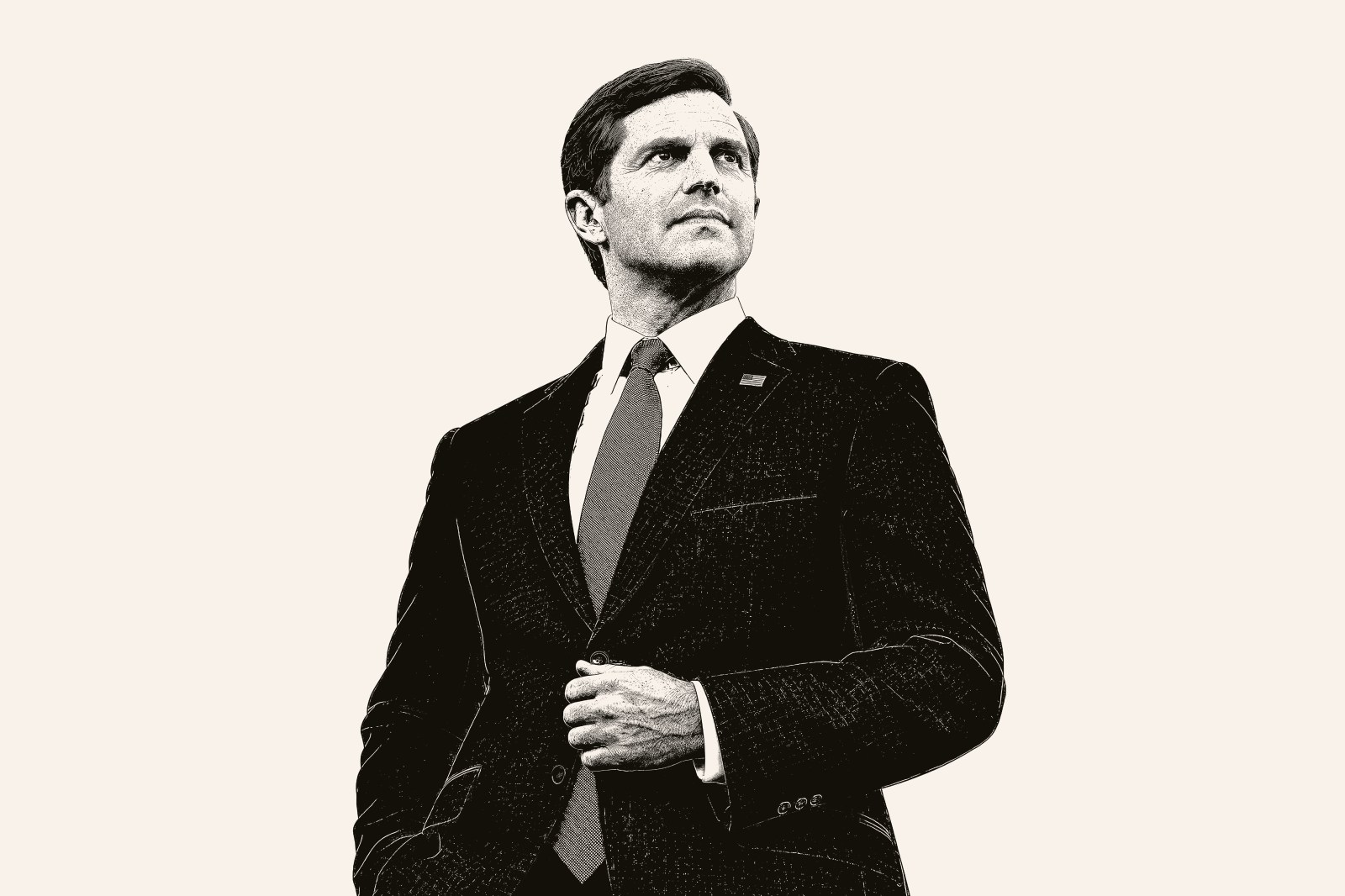
In the current political climate, much attention has focused on the Democratic Party’s internal conflicts. However, a less covered but crucial divide exists between state and federal lawmakers. This gap might shape the party’s future significantly.
The last time Democrats nominated a governor for president was in 1992 with Arkansas Governor Bill Clinton. Instead, the party has preferred U.S. senators since 2000. Some Democrats, inspired by Donald Trump’s executive style, argue for a leader who acts like a CEO. This leader should aim to unite rather than divide the nation.
One advocate for this perspective is Andy Beshear, the governor of Kentucky and chair of the Democratic Governors Association (DGA). Beshear believes the next Democratic presidential nominee should be a governor. In an interview with Newsweek on September 11, Beshear emphasized the importance of practical governance over legislative debates.
Andy Beshear recently released a memoir discussing how his faith guides his vision to heal political divides. Despite not announcing any presidential ambitions, he remains a rising star in the party. With a 65% approval rating in Kentucky, his leadership style appeals to bipartisan audiences.
Beshear advocates for campaigns that engage with communities historically overlooked by Democrats. During his interview, he highlighted the need to reach out to new areas, not merely traditional Democratic strongholds.
Beshear’s Political Journey
Andy Beshear’s political roots trace back to his father, Steve Beshear, a respected politician in Kentucky. Steve’s political acumen and leadership left a lasting impression on Andy. Steve served as Kentucky’s governor from 2007 to 2015 and was noted for his legislative successes.
After attending law school, Andy Beshear worked on his father’s campaign. His own political career began with a successful run for attorney general in 2015. He narrowly defeated his Republican opponent in a challenging electoral landscape.
Beshear’s subsequent victory over the unpopular Republican Governor Matt Bevin marked a significant achievement. This win demonstrated his ability to gain support in a predominantly Republican state.
Campaign Strategy and Public Appeal
As a candidate, Beshear embraced a strategy that involved engaging deeply with all Kentuckians, regardless of political affiliation. By focusing on local issues and traveling to conservative areas, he built broad support. His campaigns featured tailored digital ads that resonated with local communities.
Eric Hyers, who managed Beshear’s campaign, praised Beshear’s ability to communicate core Democratic values effectively. Beshear’s authenticity and in-depth understanding of local issues have been key to his sustained popularity.
Beshear’s Challenges and Opportunities
While Americans might seek a unifying leader focused on practical solutions, Democratic primary voters have historically preferred fighters. Beshear’s approach as a consensus-builder could set him apart in future races.
Beshear’s reluctance to adopt combative tactics contrasts with more aggressive political styles. Nonetheless, his strong track record as an executive positions him well in a potential presidential bid.
Beshear’s political influence extends beyond Kentucky. As DGA chair, he supported gubernatorial candidates nationwide, cultivating relationships that could benefit future campaigns.
Potential Path to National Leadership
Gaining national recognition remains a challenge, especially against well-known figures like Gavin Newsom. Beshear’s grassroots appeal and pragmatic approach to governance could resonate with voters if effectively communicated.
Michigan Governor Gretchen Whitmer underscored the unique skills state executives bring to national politics. She expressed confidence in Beshear’s ability to impact the Democratic Party positively.
Beshear’s style diverges from typical charismatic politicians. His methodical, disciplined approach may attract voters seeking stability and effective leadership as an antidote to partisanship.
Ultimately, Beshear represents a different brand of Democratic leadership. With a focus on practical problem-solving, he could become a key figure in shaping the party’s direction.