Impact of Rising Diesel Prices Amid Global Conflicts
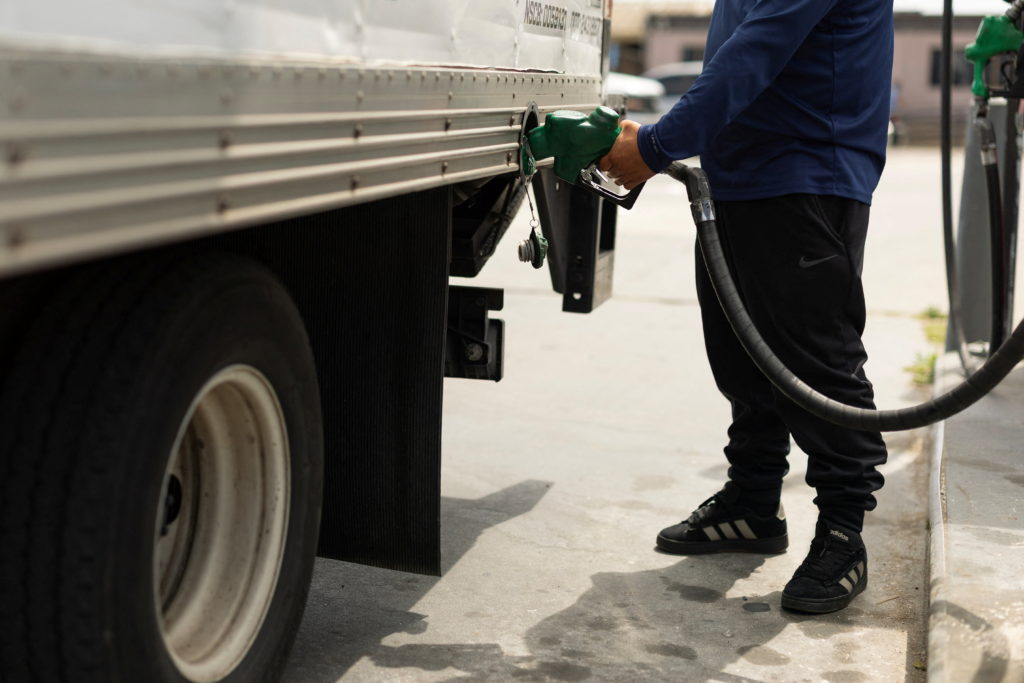
Diesel prices in the United States have reached unprecedented levels, driven by ongoing conflicts in Iran and Ukraine. As of Wednesday, the AAA reported the national average for diesel at $6.52 per gallon, compared to $3.69 a year ago. Kenneth Gillingham, an environmental and energy economics professor at Yale University, emphasized diesel’s significance to the economy, despite consumers typically not purchasing it directly.
Energy and economics experts discussed the broader implications on consumer costs with PBS News. Rising diesel prices are hitting Americans during a period of persistent inflation. A Labor Department report highlighted a 3.4% increase in consumer prices in August, when diesel was nearly $1 cheaper than now.
Global conflicts have impacted multiple industries, including the diesel market. Gregory DeYong from Southern Illinois University pointed to the dual impact affecting diesel supply: the U.S. conflict in Iran disrupting crude oil supply and Russia’s war in Ukraine affecting refining capacities. In September, oil prices exceeded $100 per barrel. The closure of the Strait of Hormuz and bombings in Saudi Arabia have further strained the oil supply.
Russia’s war in Ukraine has exacerbated supply issues, as Ukrainian strikes target Russian oil facilities, including vital refineries. According to the International Energy Agency, Russian oil refinery production hit a two-decade low in June. Even the resolution of these conflicts wouldn’t immediately lower costs, due to the time needed to repair and rebuild refineries. Existing U.S. refineries are already operating at near full capacity, as reported by the U.S. Energy Information Administration.
Industries Dependent on Diesel
While diesel is used by less than 3% of U.S. passenger cars, it is crucial for many sectors. Patrick De Haan of GasBuddy noted diesel’s role in driving the economy.
- Shipping and Logistics: Trucks, trains, and large boats transporting goods primarily use diesel.
- Home Heating: Around 4.8 million homes rely on heating oil, similar to diesel, particularly in the Northeast.
- Agriculture: Farm machinery, irrigation pumps, and vehicles transporting food depend on diesel, along with fertilizers and chemicals.
- Construction: Construction sites use diesel-powered trucks and heavy machinery for demanding work.
Patrick De Haan emphasized that diesel is the fuel that moves the economy.
Consumer Impact
The economy’s reliance on diesel means higher prices will affect consumers. Price increases depend on whether companies absorb costs or pass them to consumers, said Jason Miller from Michigan State University.
For businesses dependent on diesel for transport, product prices are rising. Truck transport costs increased 14% since January, according to the Federal Reserve Economic Data. Companies like UPS, Amazon, and FedEx have adopted fuel surcharges.
Higher diesel prices affect consumer goods differently, based on various factors:
- Transportation Cost Proportion: Products heavily reliant on transportation costs see price increases more readily.
- Shelf Life: Items with long shelf lives, like flour, may initially avoid price hikes compared to fresh produce.
- Business Perception: Long-term perception leads to price increases, while a temporary view sees absorption of costs by companies.
The situation presents challenges to consumers and businesses alike as they navigate the rising costs influenced by global conflicts.