Senate Bill Targets Birth Tourism in the U.S.
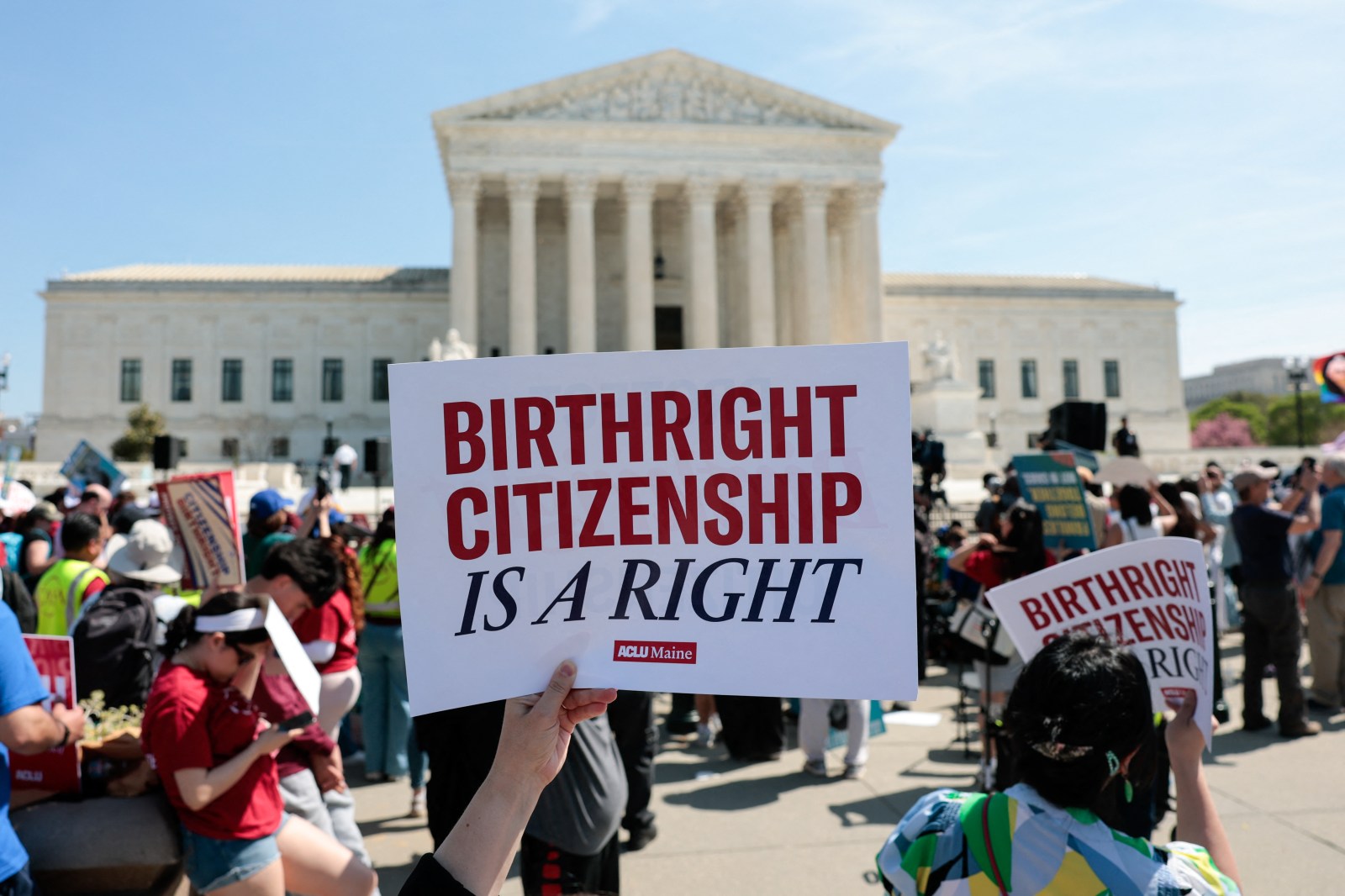
A Senate bill aims to establish a legal presumption that some pregnant applicants for U.S. visitor visas intend to secure American citizenship for their children, as part of a Republican effort against birth tourism.
The Birth Tourism Elimination Act, proposed by Republican Senator Tim Scott of South Carolina, suggests amending federal immigration law. The aim is to render foreign nationals applying for B visitor visas inadmissible if their main intention is to give birth in the U.S. for citizenship purposes.
Understanding Birth Tourism
Birth tourism involves foreign nationals traveling to the U.S. with the primary objective of giving birth, thereby obtaining U.S. citizenship for their child. This practice has prompted GOP measures to curb birth tourism and redefine birthright citizenship, which generally grants citizenship to those born on U.S. soil.
Following the Supreme Court’s June 30 decision against Trump’s restriction on birthright citizenship, House Republicans suggested terminating automatic citizenship for births in U.S. territories. The Department of Homeland Security (DHS) aims to expand categories where U.S.-born children do not receive citizenship, and Secretary of State Marco Rubio announced tighter visa restrictions on birth-tourism networks.
Bill Details
A key provision in the bill influences how consular officers evaluate visa applications from pregnant women. If there’s reason to believe a pregnant applicant would give birth in the U.S., they would be assumed to intend to secure citizenship for the child. The applicant must then prove a legitimate reason for the U.S. birth other than obtaining citizenship.
Applicants seeking B visas for medical treatment must show legitimate reasons, U.S. medical provider agreement, estimated duration and costs, and lawful means to cover expenses.
Senator Scott stated, “American citizenship is not for sale,” emphasizing his legislation’s goal to prevent exploitation of temporary travel programs for citizenship purposes.
The bill doesn’t alter birthright citizenship or children’s citizenship status; rather, it targets immigration processes before entry and birth-tourism support businesses.
Admission Challenges and Exceptions
The bill enables consular or Customs and Border Protection officers to deny admission if they believe a visitor aims to obtain citizenship by giving birth. Should immigration officers suspect birth-tourism intent, they would initiate a secondary inspection.
A new birth-tourism inadmissibility ground would be added to expedited-removal aspects of the Immigration and Nationality Act. It also restricts the Visa Waiver Program and the Guam and Northern Mariana Islands waiver program to avoid birth tourism.
Humanitarian parole for foreign nationals entering or staying for birth citizenship purposes would be limited, except for those returning on advance parole due to a pending adjustment-of-status application.
The bill includes exceptions. The inadmissibility provision does not apply to legitimate childbirth-related medical treatment trips, or when the unborn child is the U.S. citizen, lawful permanent resident, or refugee/asylee’s biological child.
Rules don’t apply if childbirth is incidental to lawful admission for employment, education, or other legitimate stay purposes.
Impact on Birth-Tourism Industry
The bill targets the commercial entities facilitating birth tourism. It aims to amend federal criminal law against those who knowingly engage in birth tourism support.
Scott’s office cited federal investigations, highlighting companies like You Win USA Vacation Services Corp. for aiding Chinese customers in birth tourism at substantial fees.
The Department of Homeland Security, consulting with the State Department, must report visa and parole denials, probes, prosecutions, removals, and enforcement stemming from the proposed restrictions.
Trump Administration Policies and Birth Tourism
The bill follows Trump’s August 6 Executive Order establishing a federal policy to curb nonimmigrant visa exploitation for birth tourism.
The order instructed the secretaries of state and homeland security to implement strategies, potentially including visas and travel-authorization denials or revocations, denial of entry, or removal, alongside targeting facilitators.
The Migration Policy Institute, citing CDC data, reported 9,576 babies born to foreign-address mothers in U.S. territories in 2024, making up about 0.26% of 3.7 million births that year. While not exact, it estimates birth tourism births between 22,000 and 26,000 annually.
Scott’s legislation aims to codify existing executive policies in federal statute. It seeks to implement a State Department rule from 2020 limiting B visitor visas when the travel’s primary purpose is birth tourism.
The Senate Judiciary Committee received the bill, and there were no cosponsors as of September 28. Republican Representative Richard McCormick of Georgia introduced similar House legislation with further endorsements from Republican Representatives Ken Calvert of California and Randy Fine of Florida. Should Congress approve and the President sign the measure, it could become one of the broadest congressional actions against birth tourism in the U.S.
Newsweek editors for this story: Matthew Cannon and James Debens.