Expanded Recall of Frozen Pasta Due to Listeria Concerns
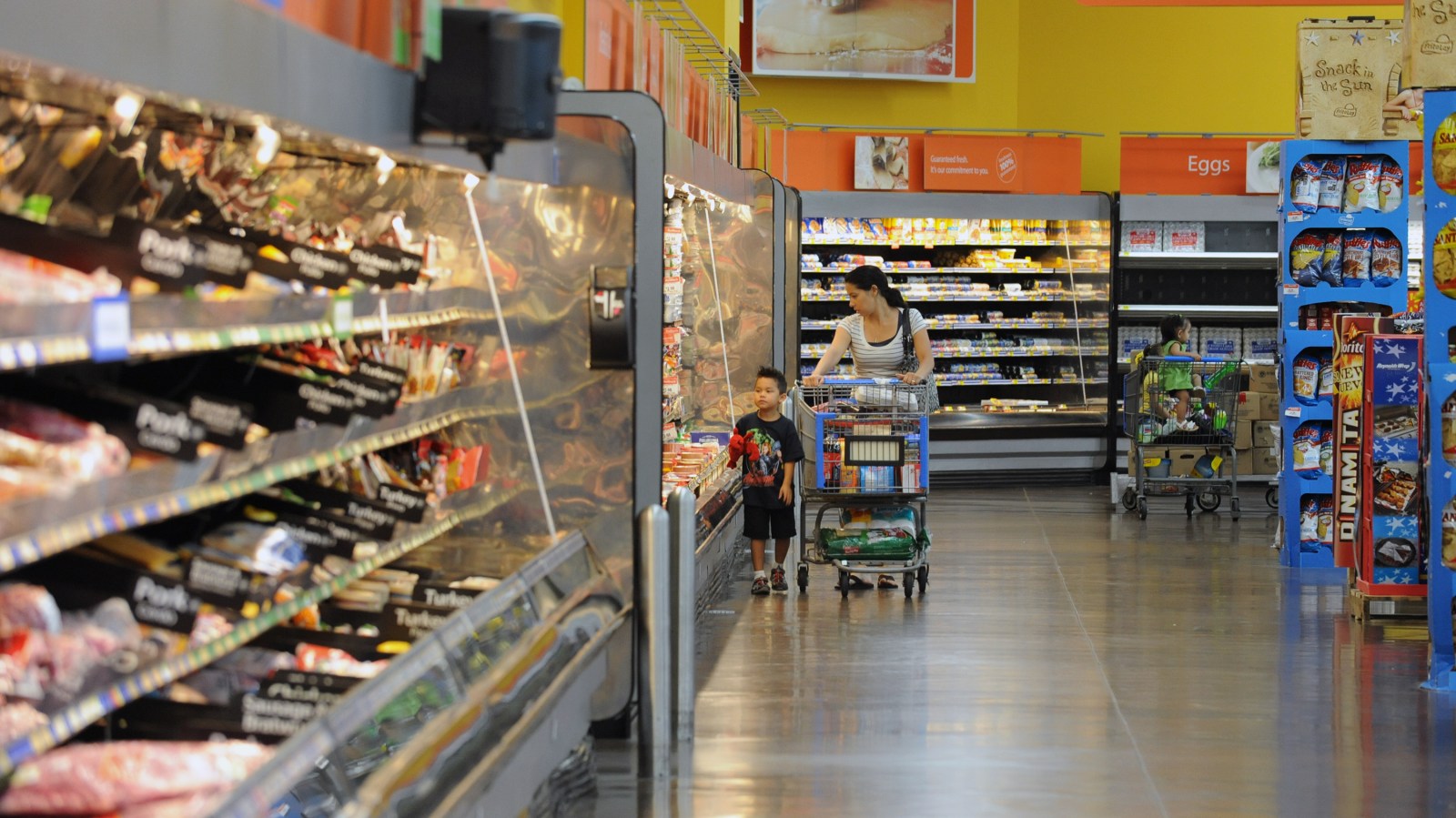
Gias Foods, Inc. has expanded a previous recall to encompass all lot codes of Bettergoods brand Authentic Italian Lemon Alfredo Fettuccine. This action stems from concerns that the product might be contaminated with listeria, according to an alert issued by the U.S. Food and Drug Administration (FDA) on Thursday.
The frozen pasta in question was distributed nationwide to Walmart stores. Every lot code number is affected by this recall. Packaging is identified as 22-ounce yellow plastic containers with a UPC number of 194346442706. Although no illnesses have been reported so far, the alert underscores the precautionary nature of this recall. The year has seen numerous recalls due to issues like potential damage, foodborne illnesses, contamination, lack of inspection, or undeclared allergens.
In a related development, federal authorities also announced a recall by Star Meat Delivery Inc., which affects about 167,639 pounds of raw beef, pork, and goat products due to a lack of federal inspection.
Upon being approached by Newsweek, a representative for Walmart emphasized their commitment to safety, stating, “Safety is a top priority. When notified of recalls, we move quickly to remove the impacted products from our stores and implement a sales block at registers and online. We are working closely with our supplier, and customers who have this product should discontinue use and follow the recall instructions.” Efforts to obtain further comments from Gias Foods, Inc. were made by Newsweek, but at the time of reporting, no additional information was available.
What to Know About the Recall
The recall resulted from routine sampling conducted by the Washington State Department of Agriculture and the Florida Department of Agriculture and Consumer Services. These tests suggested potential bacterial contamination of the finished product. Consequently, the company has discontinued distributing the product while investigations with the FDA continue to determine the precise cause of the issue, as mentioned in the alert.
The FDA has designated the recall as Class I. This classification indicates a reasonable probability that using or being exposed to the product may lead to severe health consequences or death. Consumers who have purchased the recalled frozen pasta are strongly encouraged to return it to the original place of purchase for a refund. For further inquiries, purchasers can contact the company via email at [email protected].
The FDA cautions that Listeria monocytogenes can cause serious, sometimes fatal infections, especially in people with weakened immune systems, older adults, and children. Pregnant women may experience miscarriages or stillbirths. Symptoms in healthy individuals could include high fever, nausea, abdominal pain, diarrhea, severe headache, and stiffness.
Recall Concerns and Foodborne Illness in 2026
This latest update concerning frozen pasta comes amid increased concern over foodborne illnesses and various recalls, including incidents involving salmonella and cyclospora nationally. Earlier this year, the most significant cyclospora outbreak related to iceberg lettuce from Taylor Farms de Mexico was reported. The U.S. Centers for Disease Control and Prevention (CDC) announced the outbreak’s conclusion last month after thousands fell ill across the country. Additionally, a salmonella-linked recall of fresh jalapenos led to further recalls affecting dips, salsas, and other prepared foods. Nearly 500 individuals have reported illnesses, resulting in 65 hospitalizations, according to FDA data.
Keith Schneider, a food safety professor at the UF Institute of Food and Agricultural Sciences, explained in a statement to Newsweek why large companies often have high-profile recalls or issues. “Large companies distribute enormous amounts of food, so problems involving those products are more likely to be detected,” Schneider noted.
“Imagine one supplier distributes a million units of a product. If there is a contamination problem, there is a much greater chance that multiple people will become sick and that health officials will see a pattern. A small farm selling a few dozen units may have the same contamination rate, but if only one person becomes sick, that illness may never be connected to the farm or producer. That doesn’t mean a large food company is necessarily less safe. Sometimes it simply means the scale of its distribution makes a problem easier to see,” he continued.
Newsweek used its AI assistant, Martyn, to compile this story. For more information or to contact editors regarding this story, connect with Edward T. Cummins at Newsweek.