College Football Coaching Surges and Strategic Choices
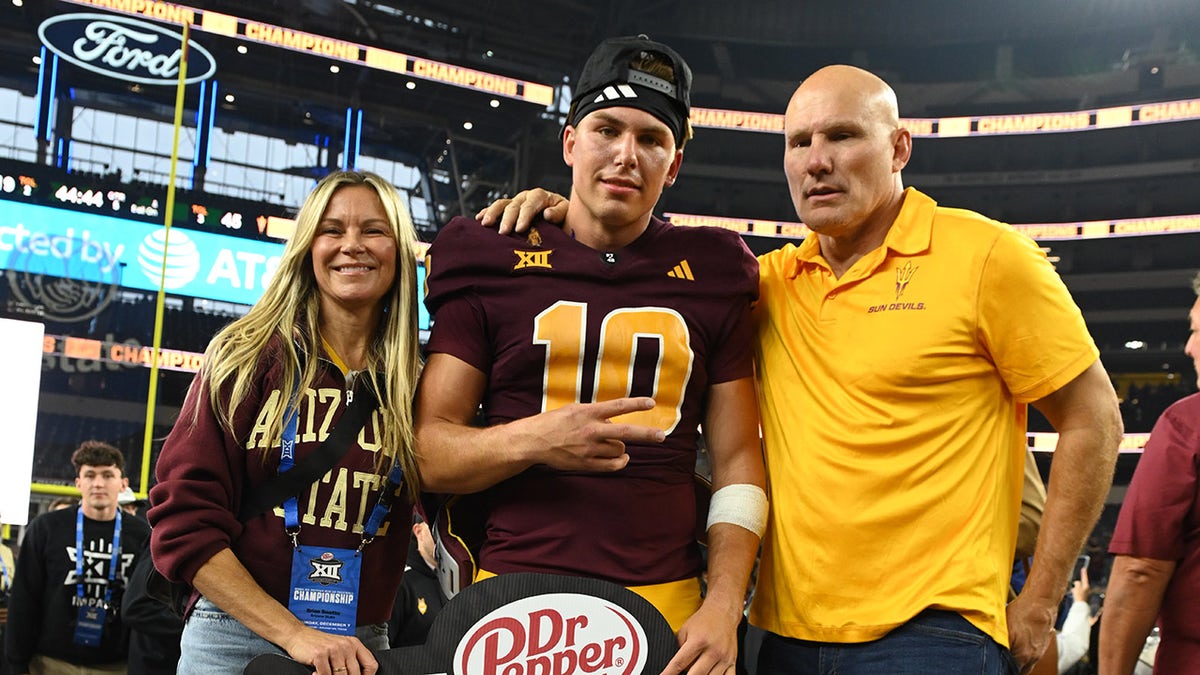
In January 2025, the Arizona State Sun Devils reached the College Football Playoff, marking a surprising achievement two years after the Herm Edwards era ended poorly. Head coach Kenny Dillingham led Arizona State from NCAA sanctions and mediocre seasons to a Big 12 championship, with standout players such as Cam Skattebo, Jordyn Tyson, and Sam Leavitt fueling their success.
However, two years later, the Sun Devils are struggling at 2-2 following a loss to Baylor, whose coach faced scrutiny a month earlier. Other coaches also emerged as significant influences in college football.
Jedd Fisch took over at Washington in 2024, inheriting a team that had previously contended for a national title but needed a complete overhaul. After a promising initial year, Fisch boosted the program with a nine-win season, featuring a noteworthy victory over Boise State and star quarterback Demond Williams.
At Georgia Tech, Brent Key developed an innovative offense driven by quarterback Haynes King, a Heisman hopeful. The Yellow Jackets achieved a top seven ranking and ended the season in the polls for the first time since 2014.
Despite their success, Washington, Georgia Tech, and Arizona State have declined substantially one year later. These schools cannot maintain prolonged excellence without volatile yearly changes. In contrast, powerhouse programs like Ohio State or Georgia consistently succeed due to their established infrastructure.
During peak performance, Dillingham, Fisch, and Key were linked to major coaching positions across the nation. Dillingham was considered for the Florida State position and discussed for Michigan, while Fisch and Key were associated with Florida. Their decision to remain at their current schools might be influenced by personal connections, as Dillingham and Key coach at their alma maters.
The possibility of missed opportunities exists. Should their respective teams suffer six or seven losses this season, these coaches might not receive offers from top programs. Dillingham has previously criticized Arizona State’s funding, and Fisch might accept the Florida job under favorable conditions.
The coming seasons will reveal if these coaches can translate past success into future opportunities. Their careers could mirror examples like Matt Campbell, who declined offers before seizing the chance to coach at Penn State after successful seasons at Iowa State.
As college football hinges on recency bias, coaches face unpredictable career trajectories. Kenny Dillingham, Brent Key, and Jedd Fisch’s paths in the upcoming year will determine their standing in the competitive landscape of Power 4 college football.