Debate Over U.S. Supreme Court Expansion Intensifies
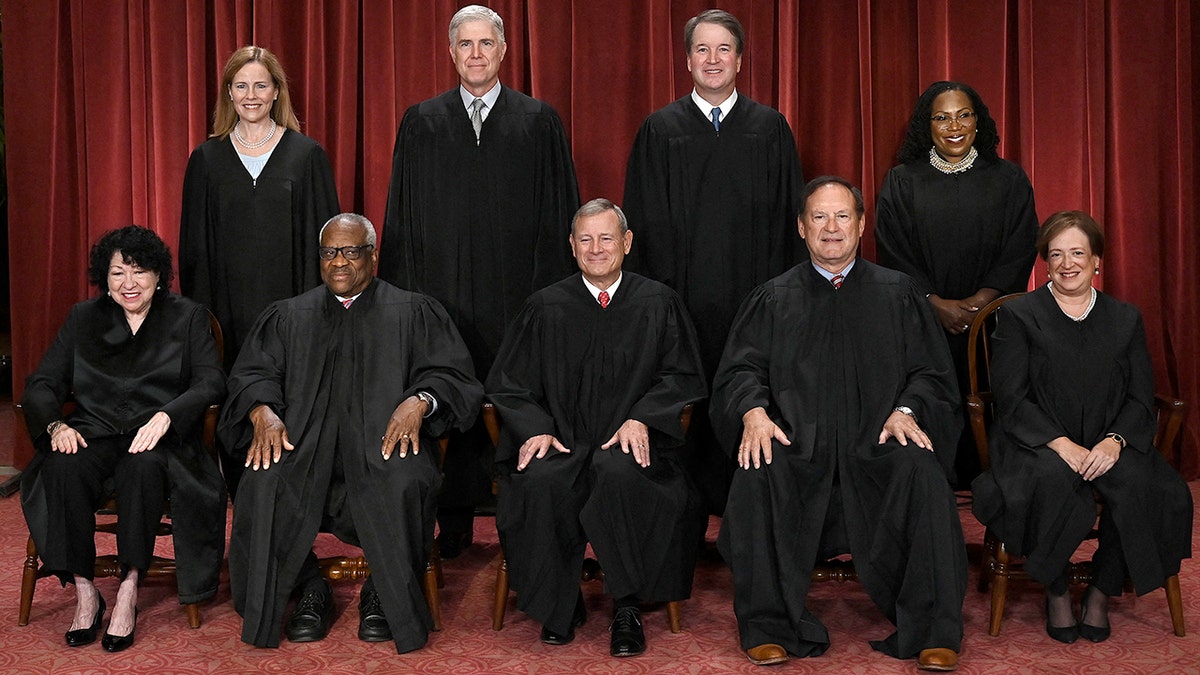
Lawmakers are discussing whether to increase the number of justices on the U.S. Supreme Court from nine. Opinions remain divided on Capitol Hill.
Tim from Washington, D.C., expressed opposition to change, stating, “If it’s not broken, don’t fix it.” However, Derek, also from Washington, supports expansion, arguing that more justices could provide greater diversity of opinion and consensus.
A Republican-backed amendment to fix the court at nine justices failed in the House in September. This amendment required a two-thirds majority but did not achieve it.
Americans have differing opinions on U.S. Supreme Court expansion.
Democratic lawmakers introduced proposals to reshape the court. These include expanding membership, instating term limits, and imposing additional ethics requirements.
Carl from Texas advocates immediate action if expansion is to occur. He said, “If you’re going to pack the court, let’s pack it now.” Others question motives behind expanding the court and suggest partisan biases may drive such efforts.
While Derek favors potential expansion, he cautions against excessive increases, saying, “One or two more doesn’t seem like it’s that much, but if they’re like, ‘Double it.’ Well, starting to just kind of go overboard at that point.”
U.S. Rep. Al Green, D-Texas, proposed increasing the bench from nine to 13 justices. Rep. Ro Khanna, D-Calif., introduced legislation for 18-year terms for newly appointed justices.
Mark from Washington, D.C., suggests term limits as a more substantial change, believing it would be more effective than altering court size.
Other Democratic proposals include enforceable ethics standards and increased transparency for the court’s “shadow docket.” Republicans argue these proposals react to unfavorable rulings.
House Republicans proposed capping the court at nine justices permanently. The amendment did not achieve the necessary two-thirds majority in the House. Further constitutional amendments require Senate approval and state ratification.
Article III, Section 1 of the Constitution establishes the Supreme Court but leaves its size to congressional discretion. Initially set at six seats in 1789, the court’s size fluctuated through the 19th century, reaching a current nine-justice structure in 1869.