Rising Antibiotic Resistance in Shigella Infections in the U.S.
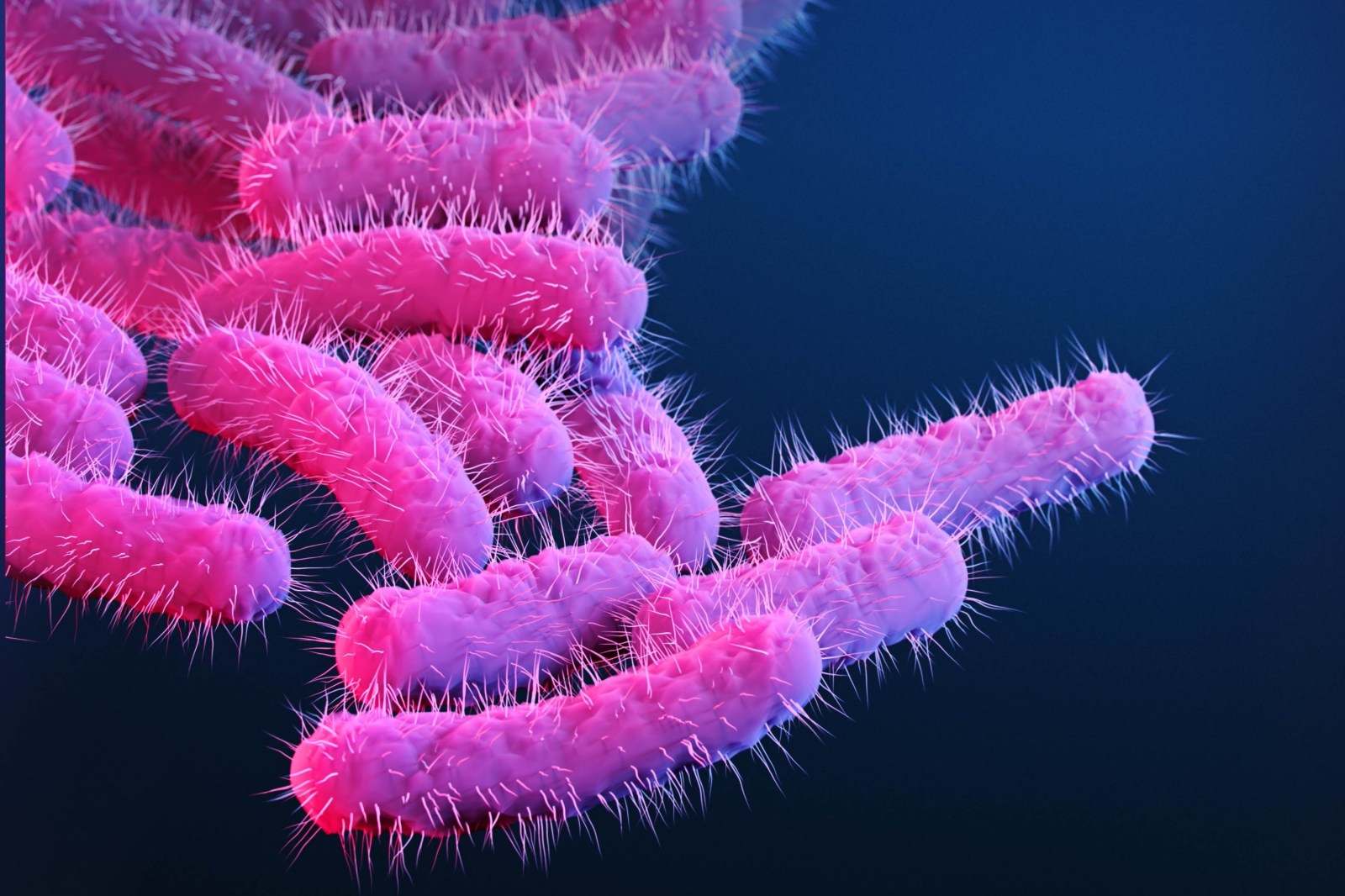
A bacterial infection, growing resistant to common antibiotics, is becoming a concern in the United States. Shigella, a highly contagious bacterium, causes an intestinal infection known as shigellosis. This condition usually leads to symptoms such as diarrhea, fever, and stomach cramps.
Increasing Drug Resistance
A report from the Centers for Disease Control and Prevention (CDC) in 2026 has highlighted a worrying trend. The proportion of Shigella samples classified as extensively drug-resistant (XDR) rose from 0% between 2011 and 2015 to 8.5% in 2023. These strains show resistance to five antibiotics commonly used for treatment.
Current Infection Trends
Despite the rise in drug-resistant strains, experts indicate that there is no nationwide increase in infections. According to Dr. Sarath Nath of Stony Brook Medicine, the number of cases remains stable, though the bacteria are becoming more resistant. CDC figures show 13,921 reported cases in 2026 compared to 14,277 in 2025. However, these figures might change as they do not account for every infection.
Understanding Shigella
Shigella bacteria cause shigellosis, and the CDC estimates around 450,000 infections annually in the U.S. While it can spread through sexual contact, Shigella is not solely a sexually transmitted infection. Other transmission modes include contaminated food, water, and contact with infected individuals. The infection is highly contagious as even a small number of bacteria can cause illness.
Symptoms of Shigellosis
Symptoms usually appear one to two days after exposure. They include diarrhea, which can be bloody, fever, abdominal pain, and an urge to use the toilet even when bowels are empty. These symptoms typically last between five to seven days. Most infections resolve without antibiotics, but severe cases may require medical care, particularly for those with weakened immune systems.
Transmission Methods
Shigella spreads mainly through the fecal-oral route. This includes contaminated food and water, poor hand hygiene, and contact with infected surfaces. Sexual transmission occurs when activities involve exposure to infected fecal matter, such as oral-anal contact or anal sex. Groups at increased risk include gay, bisexual men, young children, international travelers, the homeless, and those with compromised immune systems.
A CDC analysis shows 86.2% of drug-resistant cases were men. Yet, the exact transmission route often remains unclear due to incomplete exposure information.
Concerns About Antibiotic Resistance
Although rising antibiotic resistance concerns public health officials, experts do not believe the public should panic. Matthew J. Bertini of Austere Medicine Consultants points out that while the percentage of XDR Shigella has risen, the general risk remains low for people in good health. However, the ineffectiveness of standard antibiotics poses a broader public health challenge.
The CDC’s research from 2011 to 2023 found 510 XDR bacterial samples, resistant to ampicillin, azithromycin, ceftriaxone, ciprofloxacin, and trimethoprim-sulfamethoxazole. No FDA-approved oral antibiotics can treat infections resistant to all these drugs. Dr. Shivan M. Shah from the University of South Florida highlights that while most Shigella infections resolve without antibiotics, treatment is essential for severe cases or those with weakened immune systems.
Among patients with hospitalization records, 37.6% with XDR needed admission. However, records were available for only 258 patients, limiting the applicability of these findings.
Preventive Measures
Hygiene is critical in preventing Shigella transmission. The CDC advises washing hands, genitals, and the anal area with soap and water before and after sexual activities. Using condoms and cleaning sex toys are also recommended. Latex gloves can be helpful for manual activities involving the anal area. Abstaining from sexual activities during an infection helps to prevent spreading, as the bacteria may linger in stool for some time after symptoms disappear.
According to Dr. Nath, waiting at least two weeks post-diarrhea before resuming sexual activity is crucial, due to possible bacterial shedding.