AI-Linked Political Donations in Midterm Elections
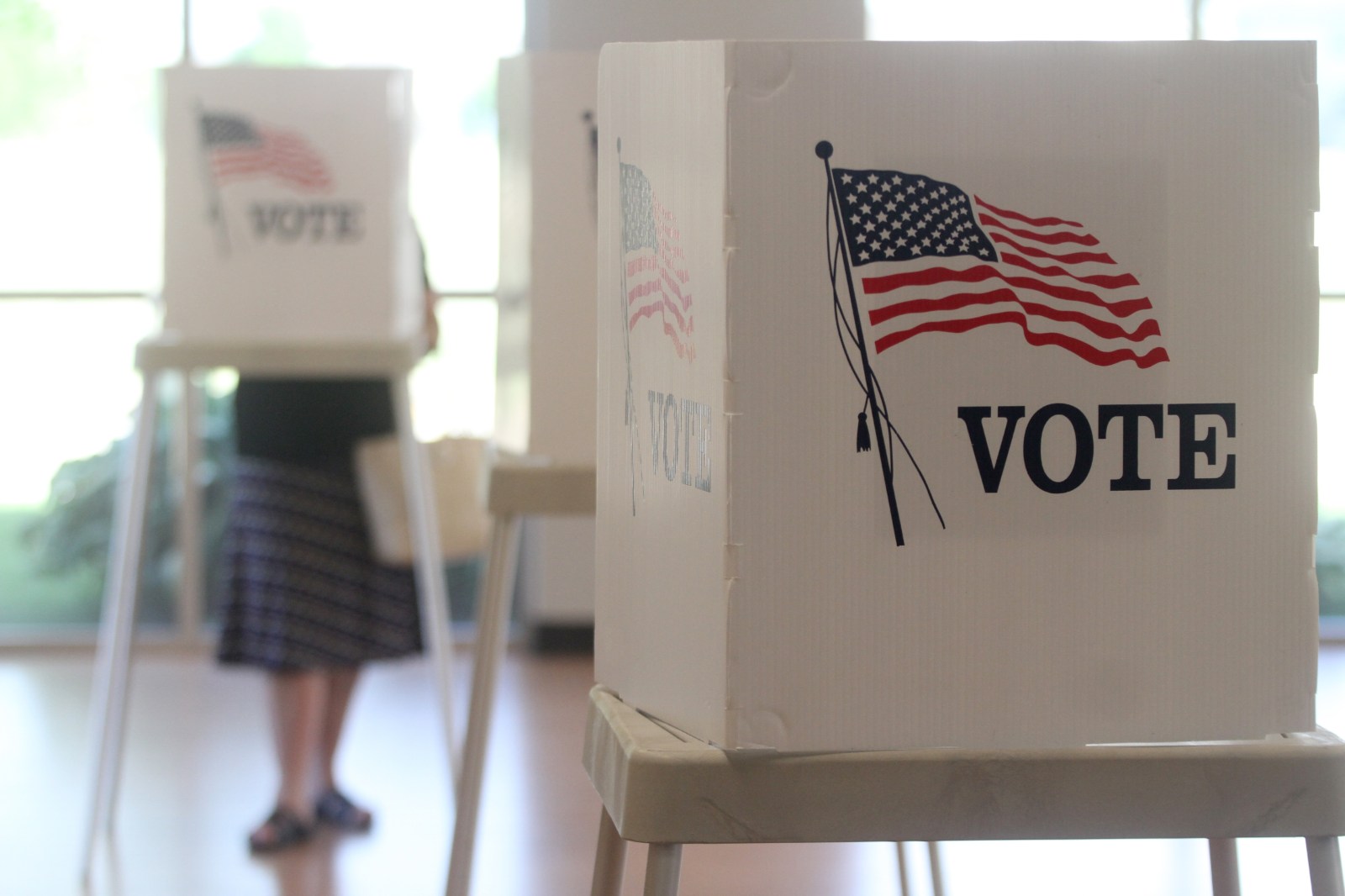
As voters engage in the midterm elections, a new financial powerhouse is under scrutiny: political donations tied to the burgeoning artificial intelligence industry. Specialists highlight that this influx of AI-related contributions could mold voter perceptions, though its ultimate impact remains uncertain.
While corporate donations have been a staple of U.S. elections, the swift growth of data centers and AI’s rise has placed the industry’s political spending in the spotlight. Candidates in pivotal races are now questioned about potential influences from AI-linked funding on their policy stances, ranging from energy costs to tax incentives and data center project approvals.
“Data-center backed candidates may face backlash due to their political affiliations,” said Virginia Tech professor Cayce Myers. “Though it’s hard to confirm a definite backlash, for some voters, this is a decisive issue. In tightly contested matches, every vote counts.”
Midterm Races Focusing on AI Donations
Several races feature AI-affiliated campaign funding as a key topic ahead of Election Day on November 3. In Texas, Republican Governor Greg Abbott faces Democratic Representative Gina Hinojosa. Abbott has attracted millions from data center-linked donors, despite pausing new data center approvals pending a state project audit, according to the Texas Tribune.
In Ohio, Republican Senator Jon Husted and Democrat Sherrod Brown have sparred over AI-related donations. Fox News reported Brown received $20,000 from a Google political action committee during his career. Meanwhile, Husted has accumulated over $630,000 from data center-focused entities across two decades. For the current election cycle, donations to Husted’s campaign from AI-related firms total $11,000 but include contributions from industry giants such as Google and Amazon.
Husted’s campaign stated that decisions on data center locations should align with local priorities, and companies should bear infrastructure costs. His Ratepayer Protection Act reflects these views, though it was blocked by Senate Democrats, per his spokesperson.
Brown’s campaign spokesperson criticized Husted for the proliferation of data centers in Ohio, linking Husted to higher electric bills and extensive tax breaks. The spokesperson emphasized local decision-making and objected to public subsidization of corporate electricity costs.
Both campaigns refrained from assuring voters that data center-linked funds wouldn’t sway their decisions if elected. The AI debate remains significant for Ohio voters, as highlighted by a recent BGSU/YouGov poll where 19% of Ohioans see AI and data centers as key issues.
Broader Voter Concerns
Perception plays a crucial role in politics, as noted by University of Akron professor David Cohen. When news covers notable donations, it raises voter awareness, reinforcing the perception of undue corporate influence.
Despite AI generating discussion, immediate issues such as utility costs are of greater concern, explained Myers. Bipartisan criticism targets big tech and data centers, indicating a dynamic regulatory environment. Long-term, data centers may become a more prominent political issue, given their significant economic and social impact.
As for the influence of AI-related contributions on election results, this remains an open question. Public skepticism grows regarding corporate influence, with financial ties providing fodder for political challenges equating big tech with everyday voter struggles.