Data Centers Become Key Issue in Ohio Senate Race
Data Centers: A Central Issue in Ohio’s Senate Race
Data centers have become a significant topic in the Ohio Senate race between Republican Senator Jon Husted and Democratic former Senator Sherrod Brown. The debate over the development of these centers is shaping the midterm elections as many Americans express their desire to keep data centers out of their communities.
Proponents of data centers see them as crucial components of the artificial intelligence (AI) infrastructure. They argue these facilities can bring well-paying jobs, including union positions, to local areas. Critics, however, highlight concerns about environmental impact, water consumption, increased electricity bills, and noise pollution.
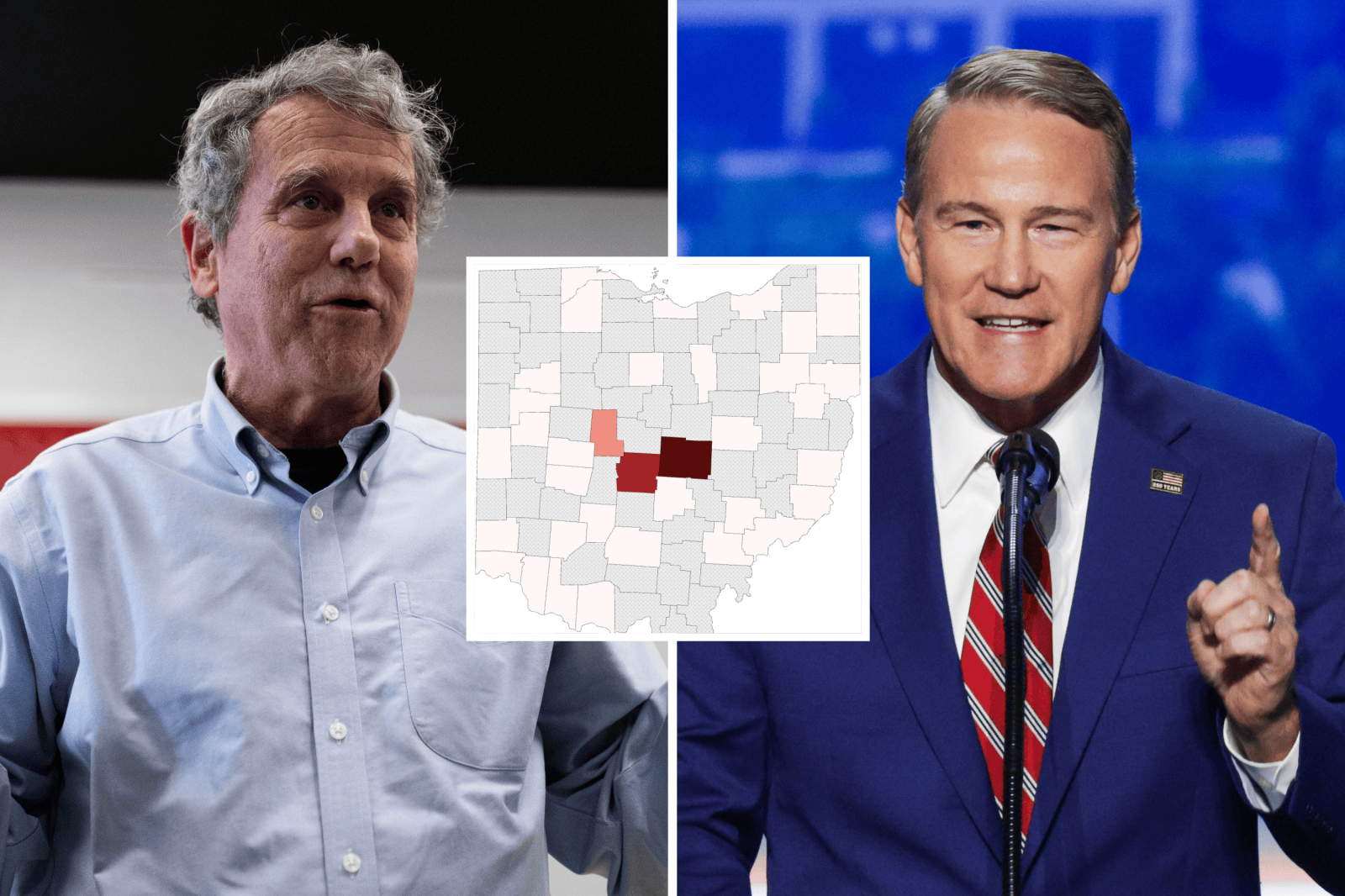
Large AI-focused data centers have appeared throughout Ohio over recent years. Activist Erin Brockovich has mapped these developments, showing numerous AI-focused and hyperscale facilities. Smaller, unspecified facilities are also widespread across the state, as indicated by community reports on her map.
Public Concerns and Political Responses
As public apprehension about data centers increases, both Brown and Husted have called for regulations and have positioned themselves to address the issue when Congress reconvenes in 2027. The centers have been described by David Niven, a professor at the University of Cincinnati’s School of Public and International Affairs, as spreading extensively across rural Ohio and bringing noise, pollution, and rising utility costs.
For Democrats, data centers represent a wedge issue. Despite this public discontent, Ohio Republicans have supported the construction of data centers and offered them tax incentives. Brown was the first candidate to focus on the topic state-wide, highlighting a lack of transparency in the approval and subsidization of data centers.
According to a Bowling Green State University poll from September, the majority of Ohio voters oppose the construction of data centers. Seventy-five percent would not support a data center in their community, and 63 percent are against them being built anywhere in Ohio. Additionally, 78 percent favor a temporary halt on construction to gather more information about their effects.
The poll surveyed 1,000 likely voters from September 1 to 10, with a margin of error of 4 percentage points.
Development and Economic Factors
Many AI data centers are being constructed near Columbus, benefiting from a large central population. Significant development has occurred in Licking and Union counties, which are more suburban and conservative. Franklin County, home to Columbus, also hosts several large AI data centers.
Economic incentives draw data centers to Central Ohio. The area offers affordable land, favorable water rates, proximity to electricity transmission lines, and access to large population centers. David Niven notes that Ohio has provided at least $2.3 billion in sales tax breaks for data centers.
Candidate Positions on Data Centers
Both candidates have addressed the growing concern surrounding data centers. Husted introduced the Ratepayer Protection Act, aiming to establish standards for large electricity users connecting to the grid. The Senate rejected this effort among partisan division.
Husted argues that the demand for data centers arises from consumer usage of digital products. He believes community leaders should decide on data center developments locally. His spokesperson, Amy Natoce, accused Brown of misleading the public about his record.
Brown, in contrast, presents himself as a critic of data centers. He advocates for these facilities to cover their full utility costs, opposing consumer subsidies. He cites worries about data centers entering Ohio and pledges to protect resources and communities.
Labor Union Perspectives
Labor unions add complexity to the debate, as they have historically supported Brown. They view data centers as potential sources of union jobs amidst economic transitions in Ohio. Dorsey Hager from the Columbus/Central Ohio Building and Construction Trades Council expressed disappointment with anti-data center political ads.
Some Democrats have avoided taking firm stands on data centers to not alienate unions, but the issue’s prominence has made it difficult to avoid.
Polling Insights and Implications
Polling indicates a tight race between Husted and Brown. As of a recent RealClearPolitics average, Brown led by 2.1 points. Individual polls from InsiderAdvantage and Fox News showed Brown with slight leads. The dynamics reflect the state’s evolving political landscape.
Ohio’s political scene has shifted from a battleground state to a conservative leaning one. Trump’s influence has attracted white working-class voters, bolstering Republican strength in rural counties.
Democrats remain hopeful, considering the historical context of midterms affecting the party in power, and Trump’s declining approval ratings. Brown’s past electoral success in the state, even during challenging years, provides the party with optimism.
The Ohio U.S. Senate race in 2026 is expected to be closely monitored as an indicator of national political trends. It stands as one of the pivotal contests determining Congressional control.