Challenges Facing King Charles III on Caribbean Tour
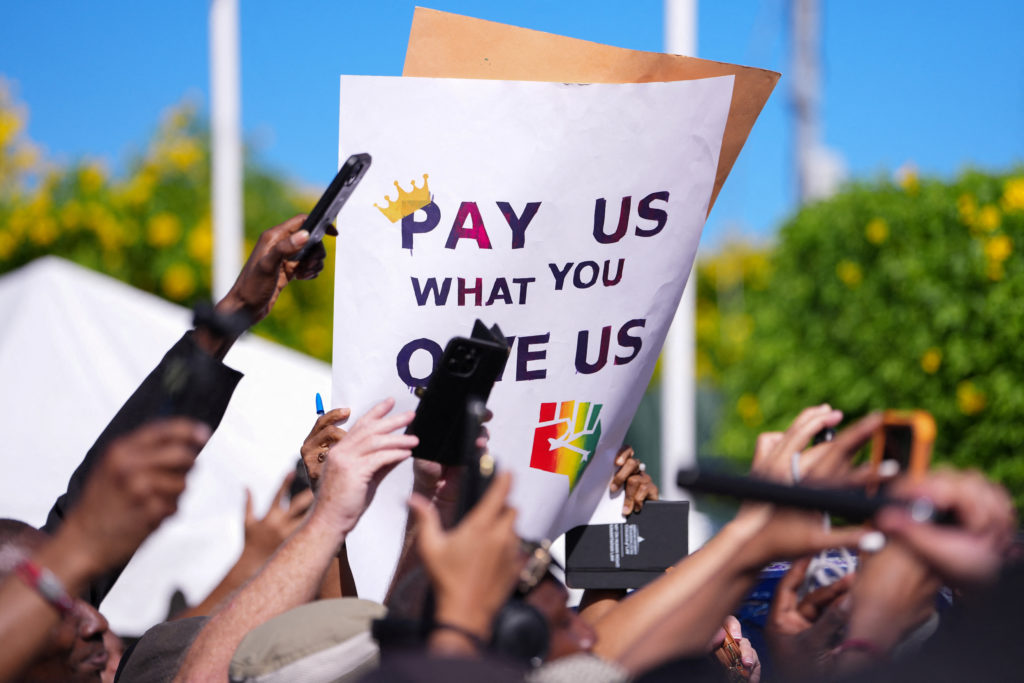
As King Charles III visits the Caribbean, he confronts the enduring issue of slavery tied to Britain’s royal history. This tour across the Bahamas, Guyana, and Antigua and Barbuda brings attention to the monarchy’s past involvement in the enslavement of Africans brought to the region for profit.
The king acknowledges the atrocities, reflecting on slavery as an indelible stain on British history during a youth rally in Nassau. Despite these statements, the palace indicates Charles will stop short of a formal apology, which raises criticisms. Brooke Newman, an author and history professor, argues that such comments don’t facilitate dialogue or advance the issue.
“It doesn’t create dialogue. It doesn’t allow for any kind of conversation with descendants, and it absolutely does not move this issue forward,” Newman stated.
The Monarchy’s Historical Ties to Slavery
Newman’s research underscores the monarchy’s connection to slavery, tracing back to 1563 with Queen Elizabeth I’s support of John Hawkins’ slave-trading ventures. This involved raids on Portuguese ports to capture Africans for labor in Spanish colonies. Similar involvement continued through Charles II, who bolstered the slave trade through the Royal African Company.
Pressure mounts for reparations from countries that profited from slavery, prompting Caribbean and African nations to unite on the issue. A UN resolution calls for reparations, highlighting ongoing harms such as reduced economic opportunity for Black communities in the Caribbean and Americas. Britain’s abstention from the vote underscores the complexity of the issue.
Constraints of Governance
Charles’ position reflects government policy, which acknowledges slavery’s dark legacy yet opposes reparations due to potential financial implications. Constitutional expert Craig Prescott notes the king’s commentary is shaped by national policy, focused on historical acknowledgment without financial compensation.
The king’s remarks during the Commonwealth meetings in Antigua underline the need to balance public reception across member countries, many would once part of the British Empire.
Call for Human Response
Hilary Beckles, representing Caribbean reparations interests, has appealed to Charles on personal grounds rather than as a royal figure. Emphasizing the wealth slavery generated for the monarchy, Beckles suggests this history should prompt familial reflection.
Britain and the monarchy have faced similar challenges before, notably during the 200th anniversary of the abolition of the slave trade in 2007. A protest during Queen Elizabeth II’s commemoration service highlighted calls for direct acknowledgment of slavery’s sufferings.
Newman underscores the lingering impacts of colonialism and slavery as ongoing issues requiring thorough assessment. She argues superficial commentary doesn’t address these complexities.