Trump’s Renewed Attacks on Journalists and Press Access Controversies
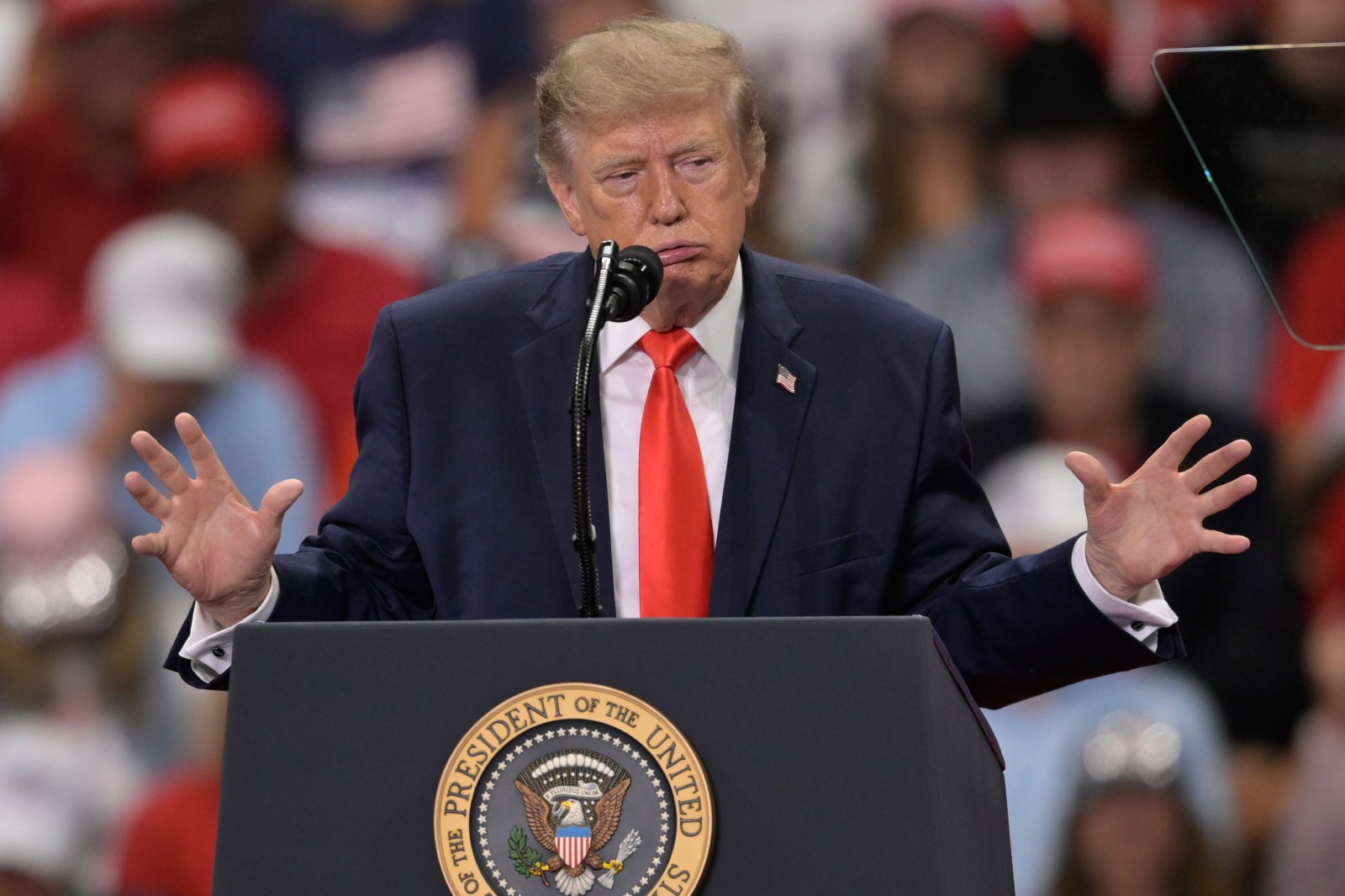
President Donald Trump has once again made headlines due to his direct criticisms of reporters. He recently attacked Reuters journalist Jacob Bogage on Truth Social, sharing a photo and calling Reuters “one of the worst” networks. The post included text repeating Trump’s earlier remarks to Bogage, telling him to “put yourself in shape.” This followed an exchange where Bogage questioned Trump about his health and travel schedule.
During a press briefing, Bogage asked Trump about his health and a canceled trip to Kansas. Trump dismissed the question, stating he felt “perfect,” and attacked Bogage’s appearance. Trump’s remarks included calling the Reuters network “terrible” and denying that health concerns affected his campaign movements.
The incident took place as Trump and the Republican Party intensified their efforts in the closing days before the midterms. Trump, since October 1, has attended 25 rallies across 19 states. The Republican National Committee initially announced that rallies in Kansas and Iowa would be replaced by tele-rallies to maximize voter reach. However, the events were later reinstated amid competitive Senate races in these states.
The campaign changes came as Kansas and Iowa were hosting crucial Senate contests, with the Republican Senate majority at stake.
Trump’s confrontation with Bogage is part of a broader pattern of disputes with reporters and news outlets during his second term. Earlier, in the Oval Office, Trump warned and insulted journalists questioning him. In September, CNN, MS NOW, and Politico were barred from the White House because Trump accused them of publishing “fake news.” The outlets sued, citing violations of the First Amendment and won temporary access restoration.
The Associated Press is also embroiled in a legal battle over press access following its continued use of the term “Gulf of Mexico” against Trump’s preference for “Gulf of America.” The AP’s access to certain events was restricted, which led them to sue for First Amendment rights. They gained a temporary court victory, but the administration appealed, arguing for White House authority over journalist participation in events.
These cases illustrate ongoing conflicts over press freedom and access under Trump’s administration. The legal disputes have significant implications regarding the limits of White House control over media access.