Colleges Witness Nationwide ‘Take Back the Night’ Movement Amid Cornell Controversy
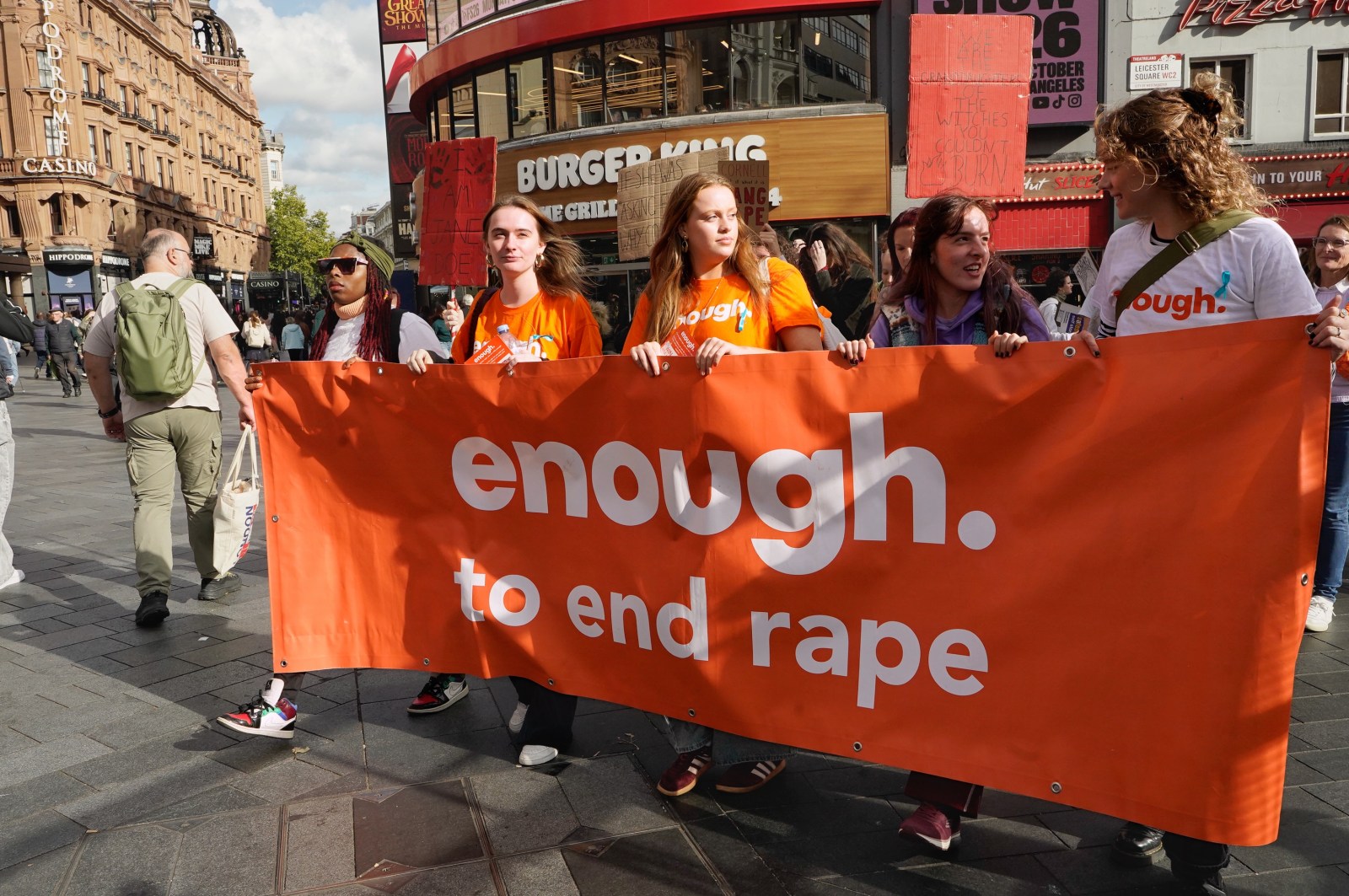
Students from nearly 100 colleges across the U.S. are planning to take part in “Take Back the Night” events this Sunday. Activists say the controversy surrounding a sexual assault incident at Cornell University has reignited a debate about fraternity culture, campus safety, and university accountability. The National Campus Take Back the Night Rally will commence with a national livestream at 8 p.m. EST. This will be followed by rallies, marches, and the reading of a five-point reform mandate at different campuses. You can register to view the livestream at takebackthenight.org.
The effort comes as Cornell, located in Ithaca, New York, faces criticism over its handling of sexual assault allegations linked to the Chi Phi fraternity. This case has led to protests, donor pressure, and a faculty no-confidence vote. The controversy at Cornell has raised broader questions about how colleges oversee fraternities and handle misconduct allegations.
Katie Koestner, executive director of Take Back the Night, notes that the situation at Cornell has broadened the audience for this discourse. According to the 2024 HESMA Survey conducted by Westat, 18.9% of undergraduate women reported experiencing nonconsensual sexual contact since enrolling in college. The figure for undergraduate men stands at 6.5%.
From Cornell to a National Movement
The movement has grown rapidly, with 79 campuses now participating, including schools on the East Coast, West Coast, and even Hawaii. Koestner emphasized the importance of involving as many campuses as possible. Original plans focused on local campus marches, but logistical challenges led to the addition of a national livestream to extend participation.
Organizers describe this as one of the largest anti-sexual-violence actions on college campuses in recent years. The Cornell case has discussed issues central to campus sexual assault debates: fraternity culture, alcohol, university discipline, and institutional responsibility. The accused students deny any wrongdoing.
Cornell President Michael Kotlikoff acknowledged the criticism but stated the university is committed to finding the truth. In a new partnership, New York State Police will handle sexual assault complaints at Cornell, unless the victim chooses another agency. Governor Kathy Hochul emphasized the importance of dignity and justice for survivors.
The Role of Fraternities
One key issue from the Cornell controversy is the reconsideration of the relationship between colleges and Greek life. Koestner pointed out that fraternity houses and similar spaces have historically been associated with higher risks of sexual assault.
“These protected spaces have harbored hundreds of rapes over the last 100 years,” Koestner stated.
The national Chi Phi fraternity has responded by removing the accused members from their Cornell chapter and condemning sexual assault unequivocally. Some experts warn against eliminating fraternity oversight, suggesting it could push parties into unregulated settings. Peter Lake, a higher education law specialist, highlighted the challenge of balancing demands for oversight with concerns about off-campus risky behavior.
Five Demands of Sunday’s Event
The “Take Back the Night” campaign lays out a five-point mandate:
- Evidence-based prevention education for all students
- Trauma-informed investigations and independent oversight
- 24-hour emergency response systems for students
- Monthly transparency reporting and campus climate surveys
- Use of university expertise to improve sexual assault laws
Koestner said the demands are a starting point, but need to attract broad support and show proven results. Despite decades of attempts at reform, the challenge remains ensuring meaningful change arises from the attention generated by cases like Cornell’s.