The Cycle of Voter Ignorance and Nonprofit Engagement
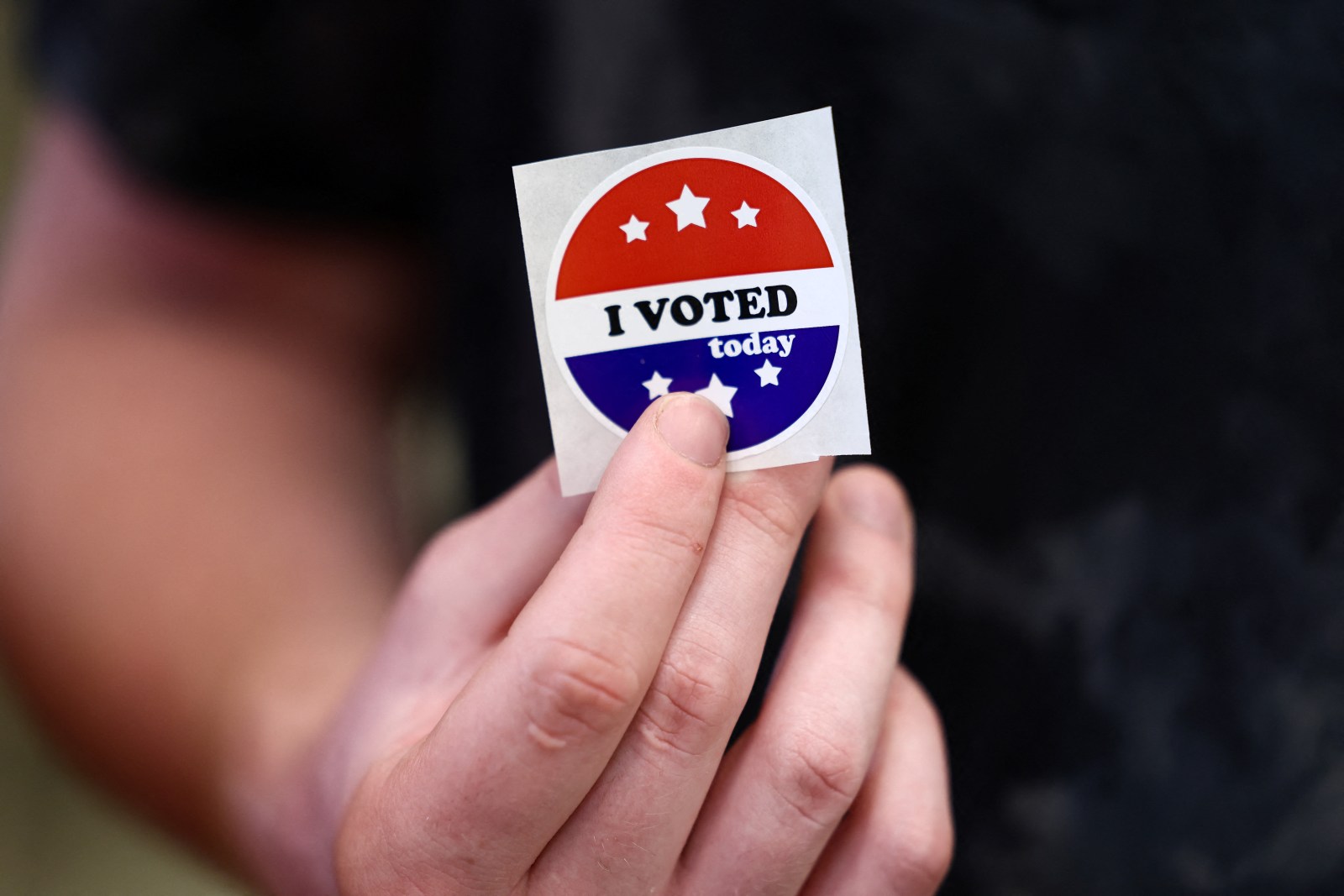
Political campaign staff across the country are preparing for the upcoming midterm elections on November 3, with mixed emotions and necessities. They are stocking up on Champagne for victories and tissue boxes for losses. As candidates celebrate or commiserate, organizations focused on achieving a more representative electorate are interested in different outcomes. They question whether Americans voted in substantial numbers and if new voter turnout records were established. They are concerned about how many eligible voters were left out, uncontacted, and ignored.
Many Americans live in civic deserts – communities frequently overlooked by campaigns. These places are often absent from campaign turf wars and outreach efforts. The residents may not have a strong voting history, or they might come from communities where participation is typically low. Campaigns are using sophisticated voter data and microtargeting techniques, directing ads solely to potential supporters and likely voters.
Historically, campaigns parachuting into communities and then departing have led to consistent overlooking of certain areas. This often results in communities, especially those with lower-income populations and no strong voting history, being ignored. The cycle of being ignored leads to reduced voting activity. The cycle continues.
Examining this cycle is crucial before concluding who showed up on Election Day and why. Nonprofits engaged in nonpartisan voter initiatives can play a crucial role. These organizations have stepped forward, addressing barriers affecting participation. Voter contact significantly influences turnout but is often tangled with other obstacles. Nonprofits aid individuals who lack strong voting records by addressing issues such as securing ID, overcoming language barriers, and navigating structural hurdles.
According to Rutgers, 15.6% of people with disabilities who didn’t vote in 2024 cited lack of assistance. Among those who voted, 16.4% faced challenges, nearly double the rate of those without disabilities. Rutgers estimated that 40.2 million Americans with disabilities were eligible voters, making up nearly one in six eligible voters.
For individuals who can’t afford to miss work shifts, employment conflicts may lead them to miss elections, reducing the likelihood of future outreach. Nonprofits can disrupt that cycle by explaining early voting and mail ballot options tailored to flexible schedules. This situation affects vast communities that face limited outreach and voter education due to financial constraints.
After the 2024 election, 59% of nonvoters aged 18 to 34 reported no contact from organizations or campaigns. This group might benefit from assistance with first-time voter questions, yet remain low priorities for campaigns focused on likely voters.
Campaigns have limited resources and time, primarily aiming to win elections. Thus, reaching out to consistently voting individuals is rational. However, prioritizing past participation as a decisive outreach factor means missing one election decreases future contact chances. Circumstance doesn’t truly reflect an individual’s interest in their community or country.
A vast network of community organizations is available to tackle these barriers. Nonprofits engage with people throughout the year, often within communities lacking substantial political campaign presence. Unlike campaign operations, their work persists beyond elections.
This nonprofit capacity requires ongoing attention and investment, especially as we approach 2027 and 2028. Relying exclusively on campaigns for voter education and assistance is insufficient; campaigns function briefly and then disappear.
On November 4, nationwide analysis of election results will begin. Dominant narratives will emerge on winning candidates, effective messages, and participating voters. The celebratory Champagne will be consumed, tissues discarded, and campaign offices will close.
The communities previously overlooked will still exist. Before utilizing this year’s turnout data to decide future voter outreach, we must question how many eligible individuals were excluded from pre-election engagement. Most importantly, we must ensure they are included in the future.
Brian Miller is the executive director of Nonprofit VOTE and co-author of Help Your Community Vote (Berrett-Koehler Publishers, 2027).
The opinions presented in this article reflect the author’s perspectives.