The Accuracy of Polls and Prediction Markets Ahead of the U.S. Midterm Elections
On Tuesday, Americans will find out who governs Congress and decide whether to trust polls and prediction markets. Both indicate a projected Democratic lead, suggesting a ‘blue wave’ is coming.
The RealClearPolling average shows Democrats with an 8.2-point advantage in the 2026 generic Congressional vote, at 51.4 compared to Republicans’ 43.2. Similarly, Nate Silver’s forecast gives Democrats a 51.2 to 42.5 edge.
Looking at prediction markets, traders on Kalshi put Democrats’ odds of winning the Senate at 69 percent and the House at 92 percent. Polymarket reflects similar sentiments, with Democrats at 72 percent probability for the Senate and 94 percent for the House.
Certain races show the same trend. In traditionally Republican Texas, Democratic candidate James Talarico leads GOP’s Ken Paxton in the polls, pointing to a possible Democratic Senate win for the first time since 1988. Prediction markets favor Talarico’s victory.
Despite this consensus, political scientists warn of risks due to previous inaccuracies in polls and prediction markets. Both indicators often falter together as prediction markets reflect poll outcomes.
“I tend to look at the variation in the polls. Too much clustering makes me nervous,” said Christopher Wlezien from the University of Texas at Austin.
Andrew Gelman from Columbia University explained that polls overstated Democrats by two to three points in prior elections like 2016, 2020, and 2024. However, midterm polls in 2018 and 2022 were more accurate. Robert Erikson, also at Columbia, noticed state polls tend to accurately reflect votes, excluding instances involving Donald Trump, where Republican candidates often outperformed their polls.
Poll inaccuracy might come from variable voter turnout as occasional voters more often lean Republican during presidential elections and less so during midterms. Pollsters have spent significant effort identifying such voters to enhance poll reliability.
Poll variability suggests that Democrats should win comfortably when analyzed across states like New Jersey and Virginia in past instances where Trump was not on the ballot. Errors often correlate across states due to nonresponse that favors one party.
Wedgewood Polls admitted producing surveys fraudulently, affecting its inclusion in polling aggregates, including those viewed by Newsweek. Such errors underline that prediction markets and polls can lead to misinformation.
Research shows that prediction markets have historically added limited accuracy to election forecasts, often diverging from poll aspirations.
“I don’t pay any attention to prediction markets,” said Alan Abramowitz from Emory University, arguing they reflect polls and commentary rather than offering independent insights.
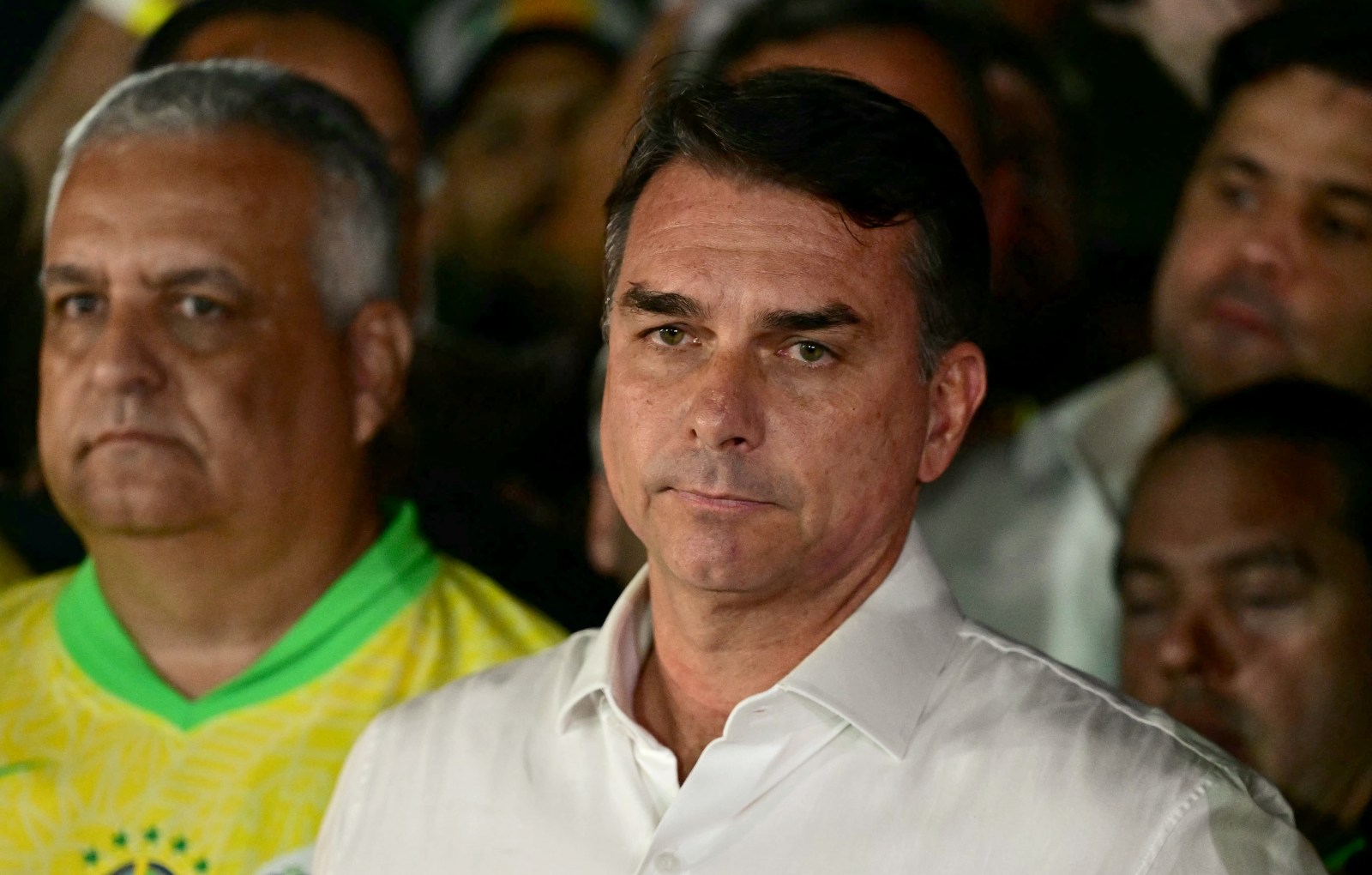
Kalshi gave low odds to Florida’s Angie Nixon and Wisconsin’s David Crowley who both won their primaries despite predictions favoring others. Additionally, in Brazil’s runoff, prediction markets heavily favored Flávio Bolsonaro even though Luiz Inácio Lula da Silva emerged victoriously.
Erikson and colleagues found historical evidence showing that betting markets didn’t enhance poll accuracy once scientific polling appeared. Deviations from polls by markets added errors rather than precision.
As federal regulators look to address insider trading in prediction markets with substantial trades on the midterms, Kalshi has also suspended several candidates from participating for betting on their own races.
Tuesday’s results will affirm or challenge the polls’ credibility, as well as prediction markets’, depending on whether outcomes like Republican performance align or contrast with current forecasts.
“An error that flatters you is still an error, whether the polls or markets miss it together,” Erikson advises, underscoring the need to analyze outcomes critically.
Viewers should examine races closely to understand where prediction markets might fail, particularly where they heavily back likely outcomes such as those in Ohio.
Ultimately, prediction markets’ perceived accuracy will either cement public trust or prompt skepticism considering inherent errors in both poll and prediction market analyses.
This year’s outcomes could redefine who voters and media trust in projecting election results.