Understanding Restrictions on Campaign Apparel and Electioneering
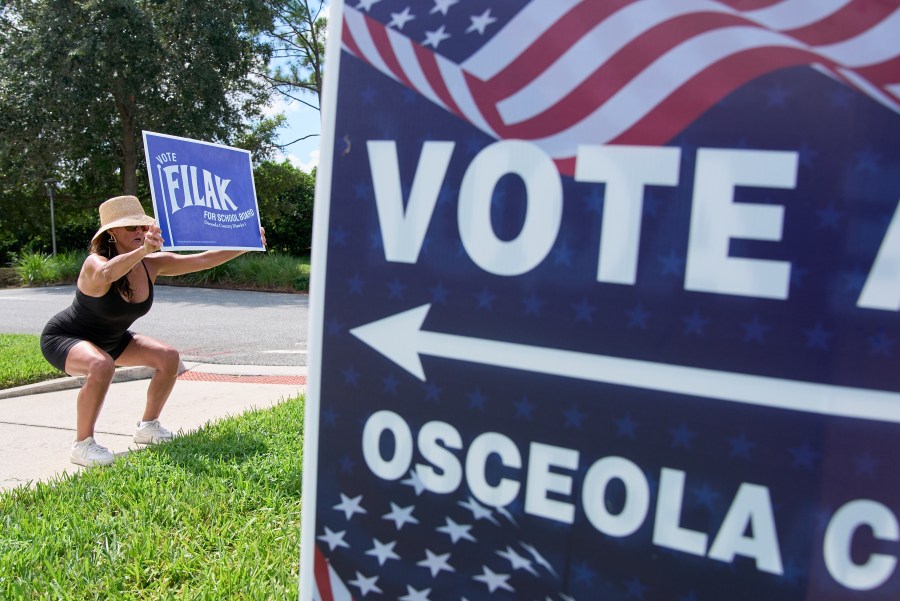
When planning to vote, it’s important to be aware of the rules surrounding campaign apparel and electioneering near polling places. These regulations exist in many U.S. states and are designed to ensure a neutral environment for voters.
Campaign Apparel Restrictions
More than half of U.S. states have laws that prevent voters from wearing campaign-related clothing while voting. According to the National Conference of State Legislatures (NCSL), these restrictions cover items such as stickers, shirts, and buttons. The purpose is to maintain the neutrality of polling locations, preventing any form of pressure or intimidation.
For instance, in Vermont, if you wear items supporting a candidate, you will need to cover them while voting. Similar rules apply in Michigan, Minnesota, and Texas. States like Colorado, Louisiana, and Nebraska go further by banning apparel related to candidates or ballot measures entirely. Delaware, Georgia, and Oklahoma also enforce these rules.
Additional states with similar prohibitions include Arkansas, California, Hawaii, Indiana, Kansas, Maine (with small buttons allowed), Massachusetts, Montana, Nevada, New Jersey, New Mexico, New York, North Dakota, Ohio, Rhode Island, South Carolina, and Tennessee.
In Maryland and Iowa, voters can wear campaign items but must leave immediately after casting their vote. New Hampshire allows voters to quickly register or vote if they cannot remove or cover campaign clothing. Pennsylvania and Alabama have rules against campaigning or loitering near polling sites, while Virginia permits voters to wear campaign apparel, but not election workers.
Prohibitions on Signs and Electioneering
Electioneering rules exist to prevent influence or intimidation near polling sites.
Nearly every state restricts electioneering around polling places. For example, Massachusetts does not permit campaigning within 150 feet of a polling location. The restriction in Georgia is similar, while Nebraska’s reach extends to 200 feet, and Idaho’s law mandates a 250-foot boundary.
Oklahoma enforces a 300-foot restriction, and South Carolina has some restrictions starting at 500 feet from polling sites. Louisiana sets the boundary at 600 feet. Pennsylvania’s rule is more restrictive, allowing no campaigning within at least 10 feet of the entrance to the voting room, while Alabama enforces a 30-foot boundary.
In Maryland, lines are drawn as close as possible to 100 feet from the entrance to deter electioneering. Colorado also bans campaigning within 100 feet of any polling location or ballot drop box. Minnesota, Texas, and West Virginia maintain a similar 100-foot restriction. Lastly, New Hampshire mandates no-electioneering corridors of at least 10 feet wide extending from polling place entrances to surrounding areas.
It is advisable to familiarize yourself with your state’s specific restrictions before heading to the polls to ensure a smooth voting experience.