U.N. Peacekeeping Mission in Western Sahara Ends Amid U.S.-Russia Dispute
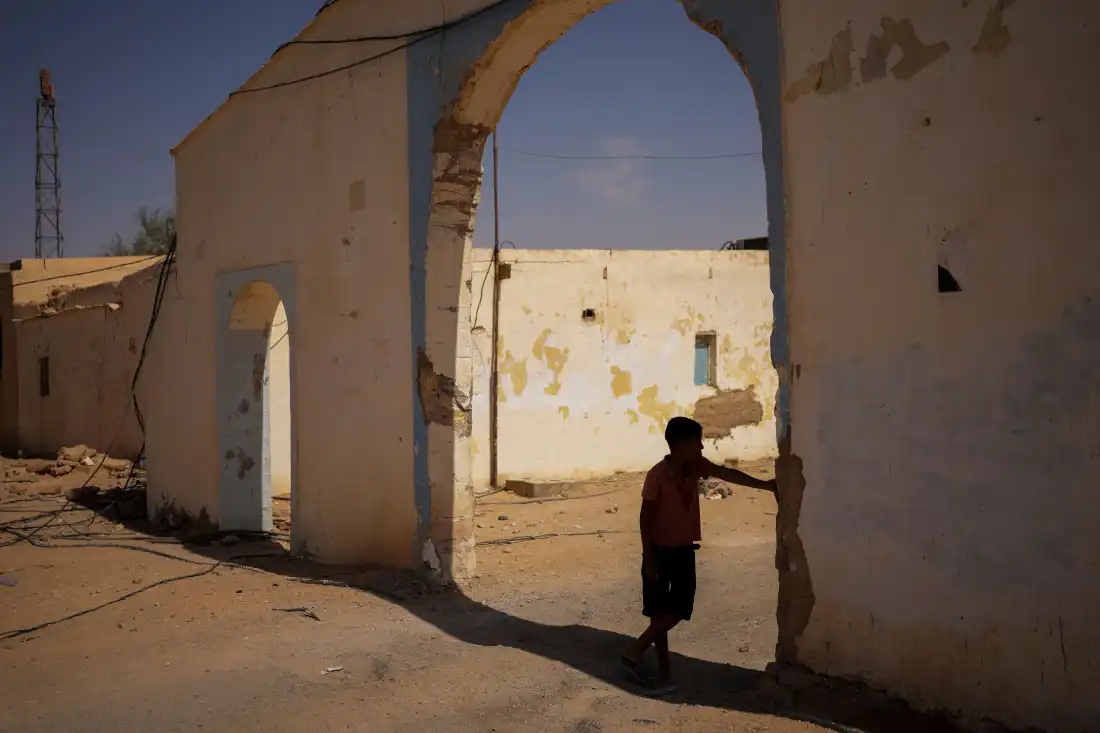
The United Nations’ peacekeeping mission in Western Sahara concluded after 35 years due to a U.S.-Russia standoff at the U.N. headquarters over the region’s future. This development has raised concerns about stability in the area.
Western Sahara, rich in minerals and fisheries, is a vast desert territory along Africa’s northwestern Atlantic coast. Previously a Spanish colony, the area is now claimed by both Morocco and the pro-independence Polisario Front.
Mission Ceases Operations
“This 1 November 2026 marks the start of the liquidation period,” said Stéphane Dujarric, the spokesperson for the U.N. secretary-general, in a statement. A smaller team will manage the transportation of assets back to troop-contributing countries and handle U.N. equipment disposal.
The mission was continuously extended since its inception in 1991. A U.S.-drafted resolution to support Morocco’s sovereignty demand and conclude the mission by next year was vetoed by Russia. Russia’s opposing resolution to extend the mission was also rejected, resulting in the force’s abrupt termination.
Morocco’s royal palace supported the mission’s non-renewal, viewing it as a way to internationalize the dispute. In contrast, the Polisario Front, backed by Algeria, decried the decision as unacceptable. Algeria criticized the U.S. draft resolution’s bias.
Historical Context
The U.N. considers Western Sahara a “non-self-governing territory,” while critics of Morocco regard it as Africa’s last colony. Morocco administers most of the disputed region, except a narrow “free zone” east of a Moroccan-built sand wall.
Following Morocco’s annexation in 1975, conflicts erupted, resulting in over 16,000 deaths, as reported by the French Senate. For decades, Morocco has aimed to secure full sovereignty over Western Sahara, a key objective of its foreign policy, often shaping its international relations based on other countries’ positions on this issue.
The Polisario Front seeks independence for Western Sahara, considering it the homeland of the Indigenous Sahrawi people. Operating from Algerian refugee camps, the movement aims to establish an independent Sahrawi Republic. Despite backing from Algeria, Russia, and South Africa, the Polisario’s international support has waned.
Mission Objectives and Conclusion
MINURSO, the U.N. mission, was established following a 1991 cease-fire agreement intending to oversee a referendum on self-determination. However, disagreements over voter eligibility prevented the referendum. Morocco wanted to include residents in the territory it controls, while the Polisario insisted on using Spain’s colonial census for voter eligibility.
Throughout its operation, the mission, authorized to have 534 personnel and funded with a $62 million budget for 2026-2027, experienced the loss of 20 personnel. Leading military contributors included Egypt, Ghana, and Pakistan.
The U.N. secretary-general urged all parties to respect the rights of Western Sahara’s people, expressing concerns about escalating tensions. The Polisario had ended the cease-fire in 2020, and the region has since seen sporadic hostilities.
Western Sahara remains a focal point of rivalry between Morocco and Algeria. Algiers, supporting the Polisario, views full Moroccan control as a diplomatic setback. The two countries’ tensions have escalated since severing diplomatic ties in 2021, with the mission’s end potentially exacerbating the situation.